Corentin Cadiou
CNRS Researcher
26/06/25

How chaotic is galaxy formation?
Based on work by A. Storck, Z. Kocjan, E. Pichon-Pharabod
Cadiou, Pontzen & Peiris 21 · Cadiou, Pontzen +21 · Kocjan, Cadiou, Agertz, Pontzen 24 · Cadiou, Pichon-Pharabod+24

Dark matter
\(80\%\) of mass
Gas
\(20\%\) of mass (initially)
Stars
\(<1\%\) of mass
Galaxy formation
- Dark matter (DM)
- Gas condenses in DM potential
- Stars form out of gas
- Supernova reinject energy


T [K]
Cooling rate \(\Lambda\)
\(\dfrac{\mathrm{d}T}{\mathrm{d}t} = \Lambda(T) \rho^2\)
\(\dfrac{\mathrm{d}M_\star}{\mathrm{d}t}\propto \rho^{3/2}\)
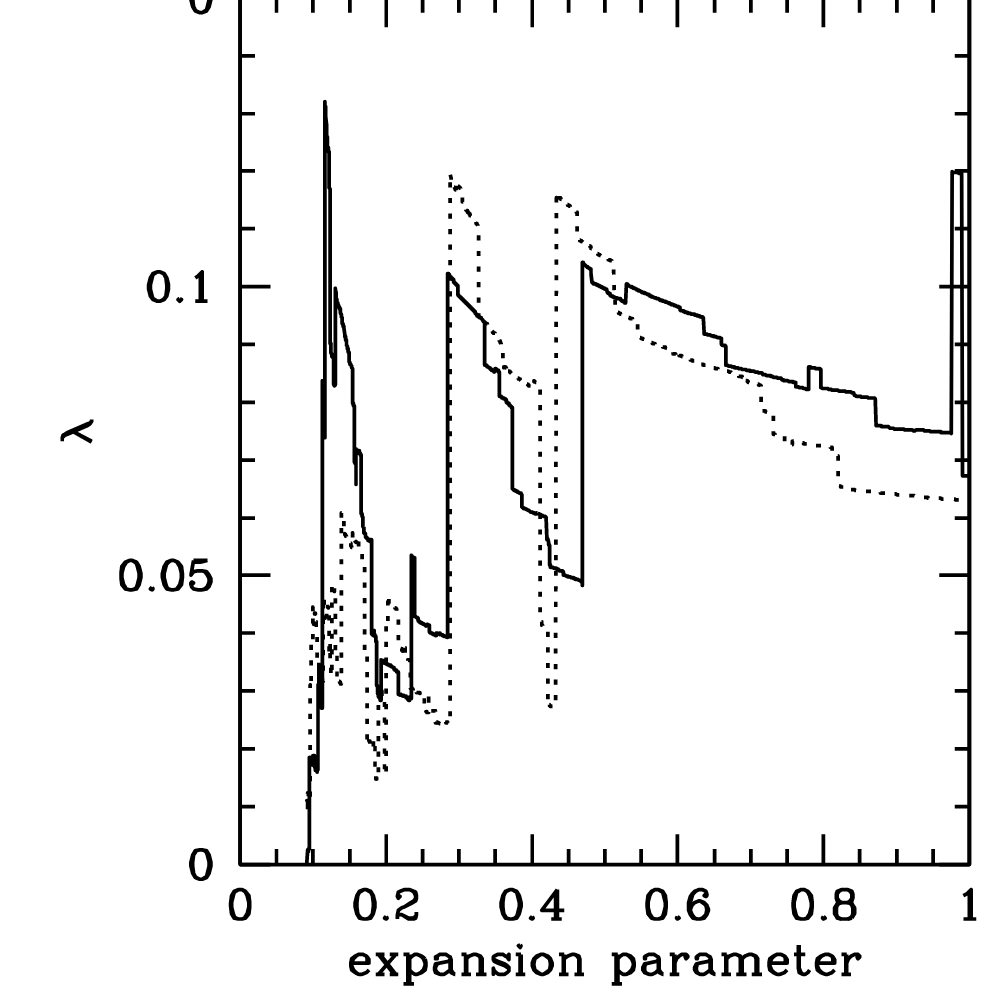
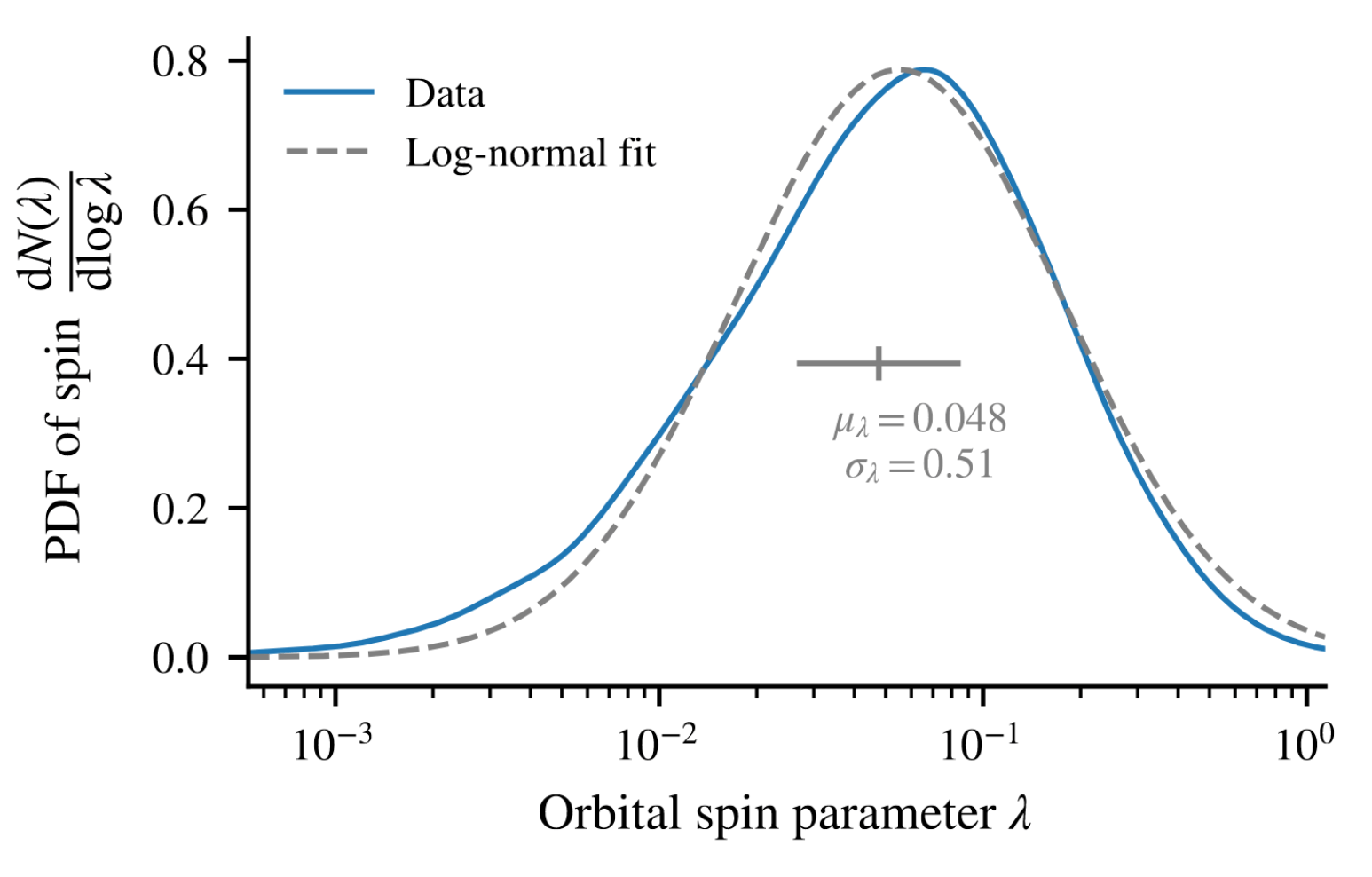
Stochastic spin: Vitviska+ 02, Beson+ 20
Spin prediction, Porciani+ 02
Spin: \[\lambda = \dfrac{j}{\sqrt{2}R_\mathrm{vir}V_{vir}}\]
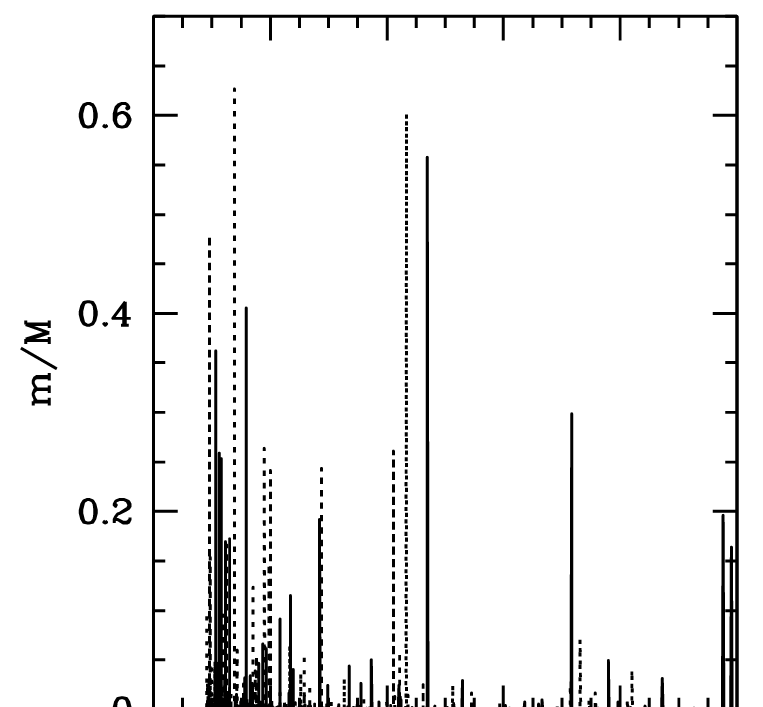
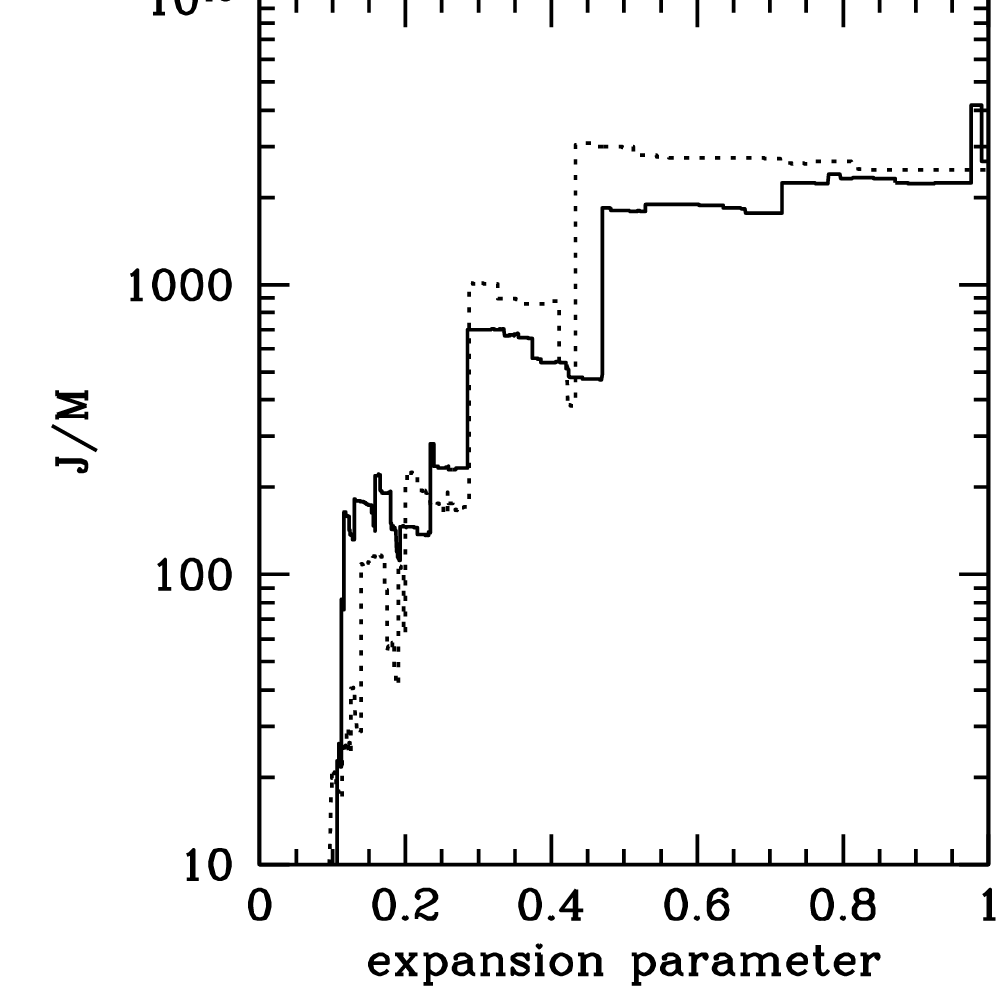
- Spin jumps at mergers
- Distribution well reproduced by drawing mergers' parameters randomly
- Theoretical predictions are, at best, inaccurate
First complication
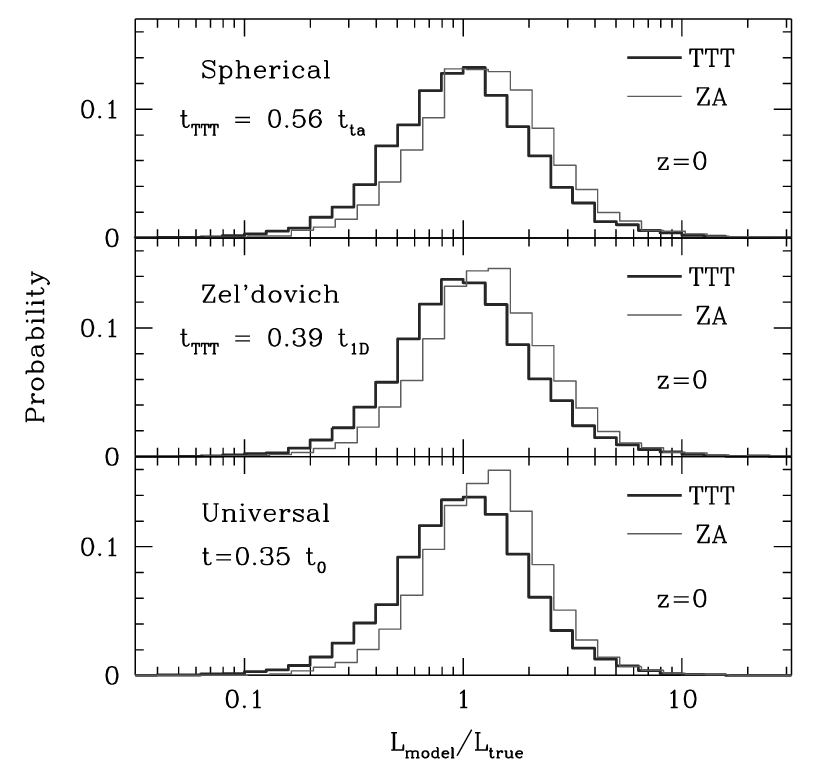
\(\pm 100\%\)!
“Mergers bring chaos”
Second complication
Let's be optimistic and assume we can predict DM spin
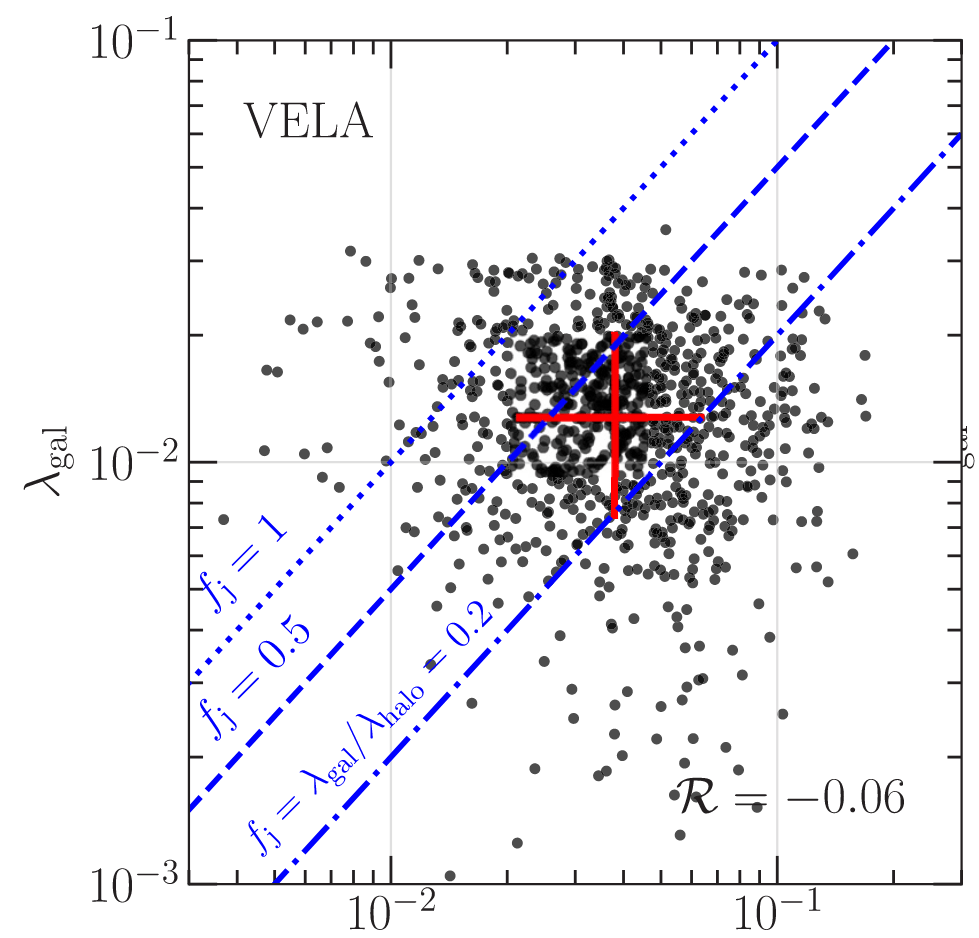
DM spin is not even a good predictor for the galaxy's!
Jiang+ 19
\(\lambda_\mathrm{DM}\)
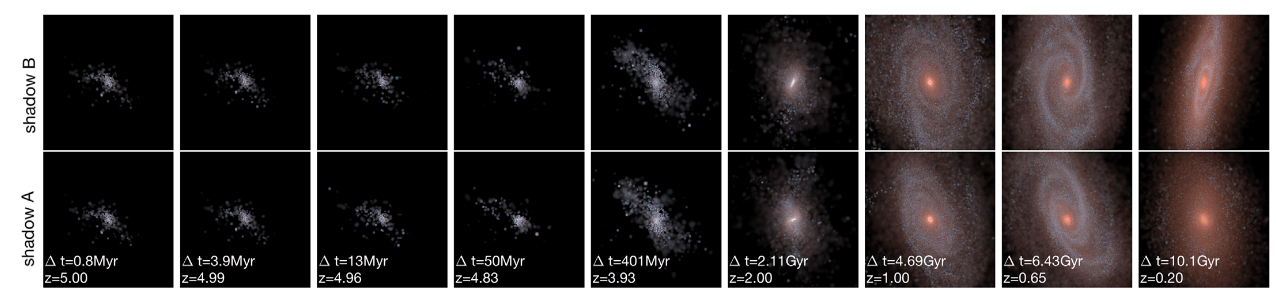
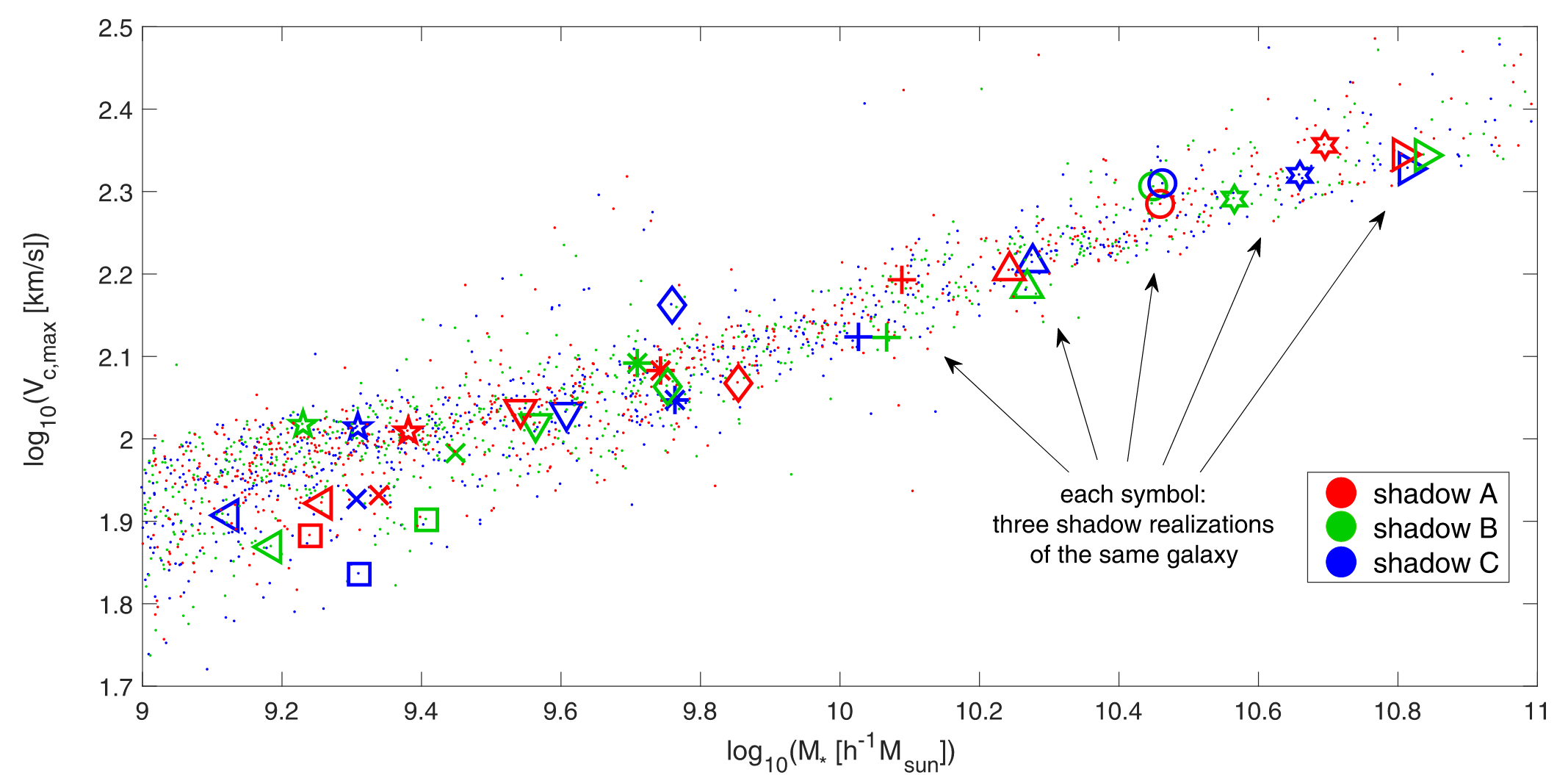
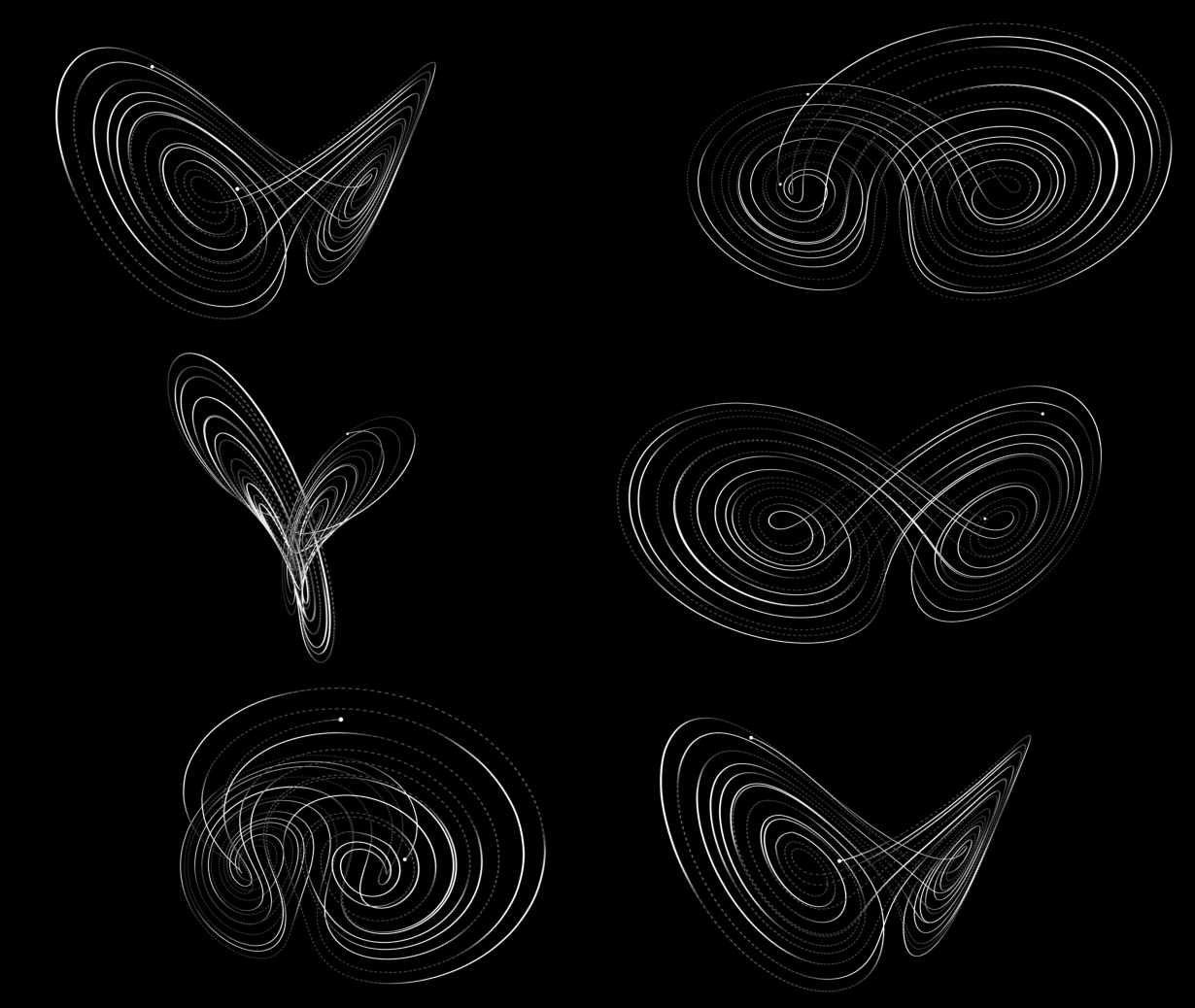
Butterfly effect: Genel+ 19, see also Thiébaut+ 08
Third complication
Resimulating the same galaxy twice yields different results ⇒ galaxies are chaotic
But are galaxies truly chaotic?
How complex are galaxies?
Results from Cadiou+ 24a
1
How complex are galaxies?
Results from Cadiou+ 24a
1

Example of the S-curve:
2D manifold embedded in 3D
Compute \(k\)-nearest neighbors
→ edges of a graph

Draw a point
→ find shortest path to all others
Take a radius
count number of points, \(p\) within \([r, r+\mathrm{d} r]\)
\(\Rightarrow p(r) \propto r^{D-1}\)
\(r\)
\(\#(<r)\)
Actually \(p(r)\propto \sin^{D-1}(r)\), Granata & Carnevalle 16

\(\#(<r)\)
COSMOS dataset
300,000 observed galaxies
Horizon-AGN
700,000 simulated galaxies
We have a method to measure
the intrinsic dimensionality of any dataset.
- Magnitude measurements (not images!)
- 14 photometric wide-bands (u*, g, r, i, z, y, Y, J, H, Ks, B, V, IRAC CH1 & CH2)
+ 14 narrow-bands - SNR > 2
- passive/active selection
Note: we are not working with images, but integrated magnitudes


COSMOS dataset
300,000 observed galaxies
Horizon-AGN
700,000 simulated galaxies
No more than \(\sim 4\) independent parameters? (with comparable magnitudes)
See Disney 08 for even more controversial results, although with smaller statistics
Horizon-AGN
700,000 simulated galaxies
No more than \(\sim 3\) independent parameters!
Galaxy formation is tightly constrained
Galaxies populate a 3D attractor?
\(M\)
\(z\)
\(j\)

With simulated noise
Without simulated noise
Is DM angular momentum chaotic?
Results from Cadiou+21, 22
2
Is DM angular momentum chaotic?
Results from Cadiou+21, 22
2
DM angular momentum

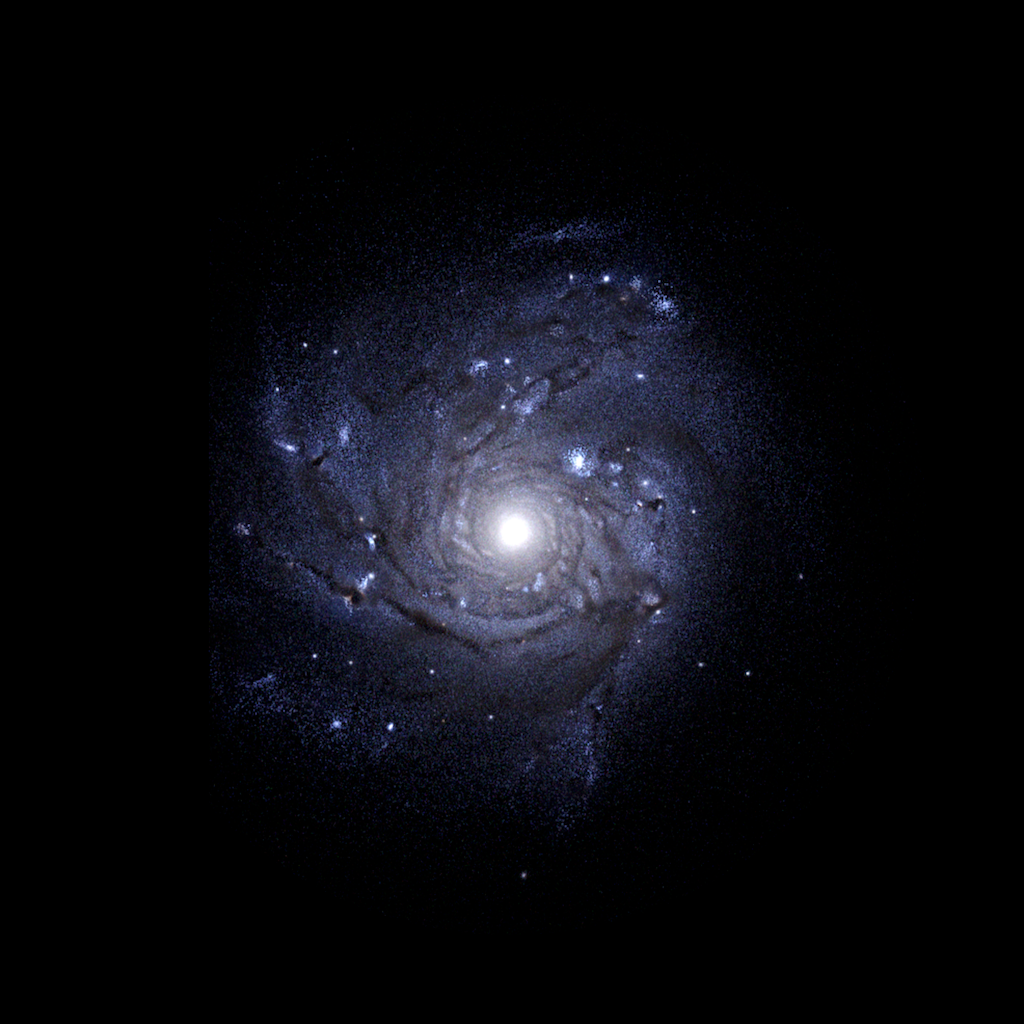

\(z=0\)
\( z = 100\)
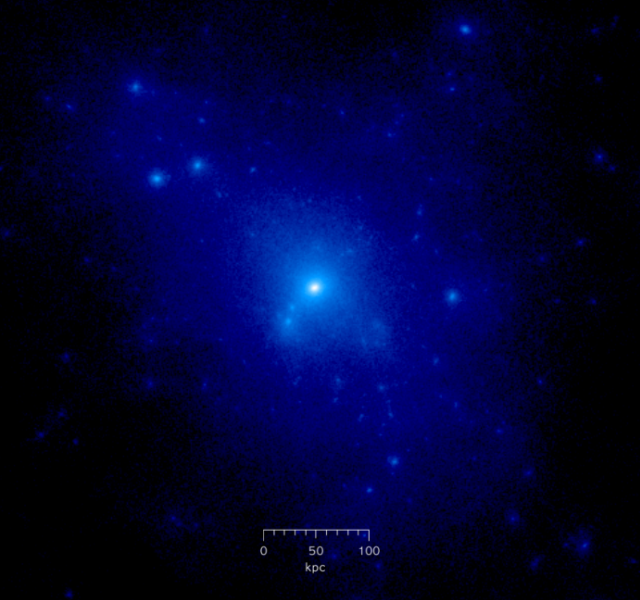
\(z=0\)
\( z = 100\)
[White 84]
DM angular momentum
\(z=0\)
\( z = 100\)
[Genetic modifications: Roth+16, see also Rey&Pontzen 18, Stopyra+20]
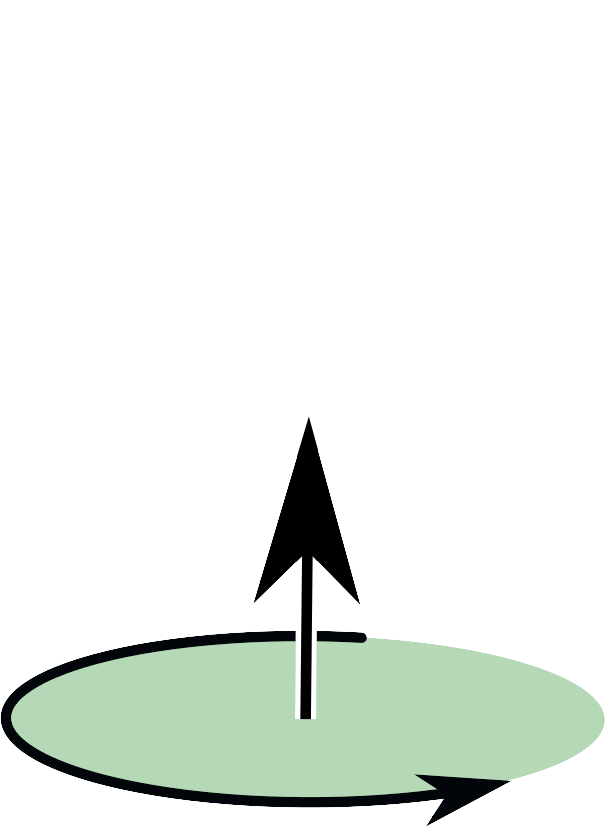
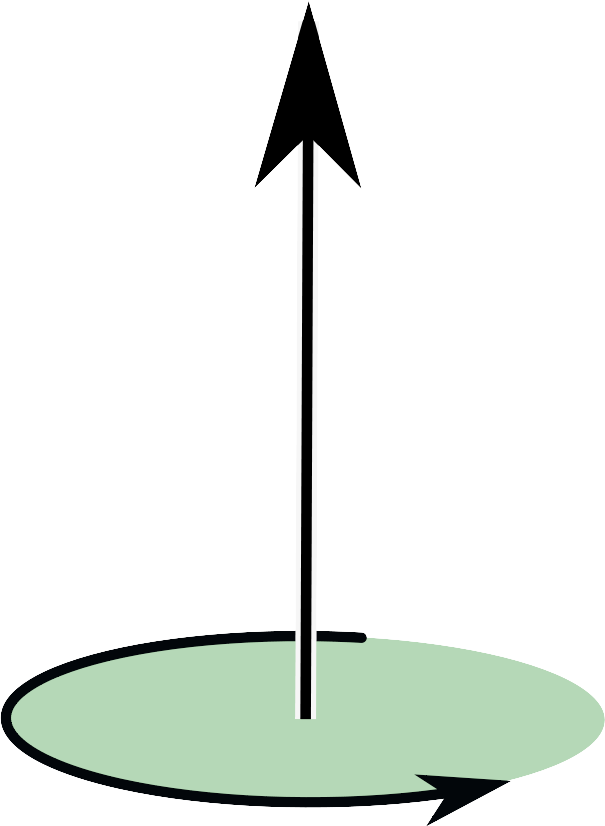
DM angular momentum


Time
Angular
momentum
DM angular momentum
✅ AM of fixed DM regions responds ~linearly (so is not chaotic!)
However, particle membership hence DM halo does not
Angular
momentum
Time
DM angular momentum
Dark matter spin is hard to predict
the usual culprit are mergers
Are mergers really
stochastic?
Results from Cadiou +24b
3
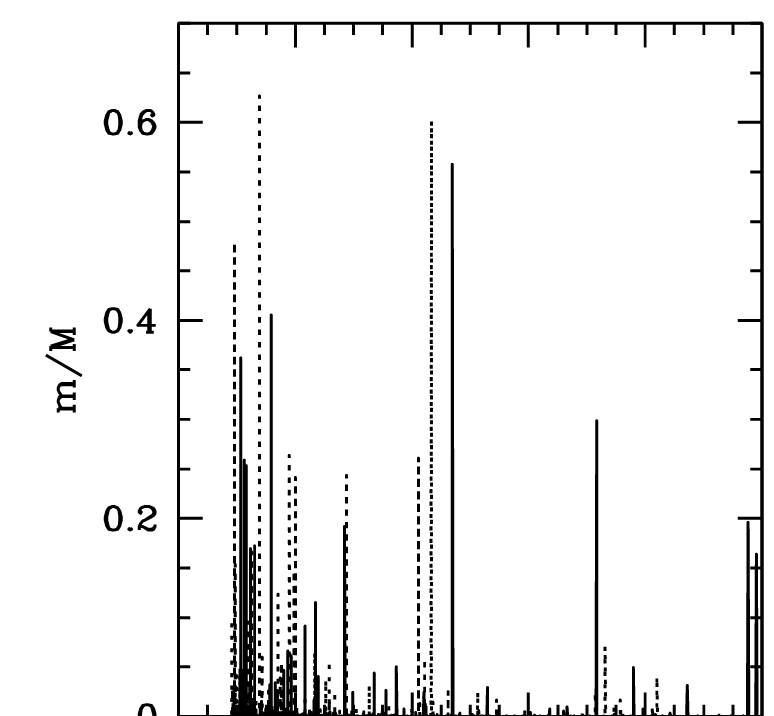
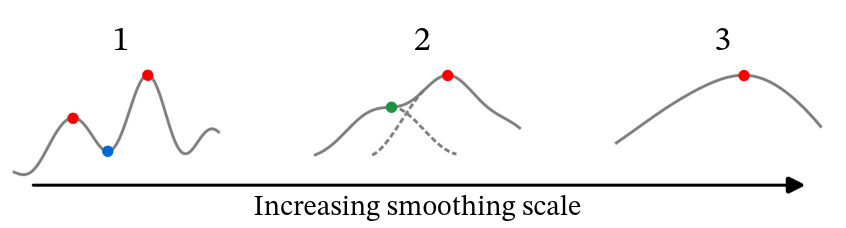
Based on the critical event theory (Cadiou +20)
We can make some reasonable predictions
of orbital spin of mergers
Given: tides + density peaks


Changes to tides at \(z=100\), effect at \(z<1\)
tides ×0.5 ⇒ merger @ \(z=0.7\)
tides ×1.1 ⇒ merger @ \(z=0.55\)
tides ×1.2 ⇒ merger @ \(z=0.5\)
tides ×2 ⇒ merger @ \(z=0.2\)
How chaotic is baryonic
angular momentum?
Results from Cadiou +21a
4
How chaotic is baryonic
angular momentum?
Results from Cadiou +21a
4
Full hydro simulations
(RAMSES, New-Horizon model):
- Resolved disk height
\(\Delta x_\mathrm{min} = 35\ \mathrm{pc}\) - \(M_\mathrm{200c} = 10^{12}\ \mathrm{M}_\odot\)
at \(z=2\) - SF, AGN, SN feedback
- 3 galaxies, 5× scenario each
\( j_0 \times 0.66\)
\( j_0 \times 0.8\)
\( j_0 \times 1.2\)
\( j_0 \times 1.5\)
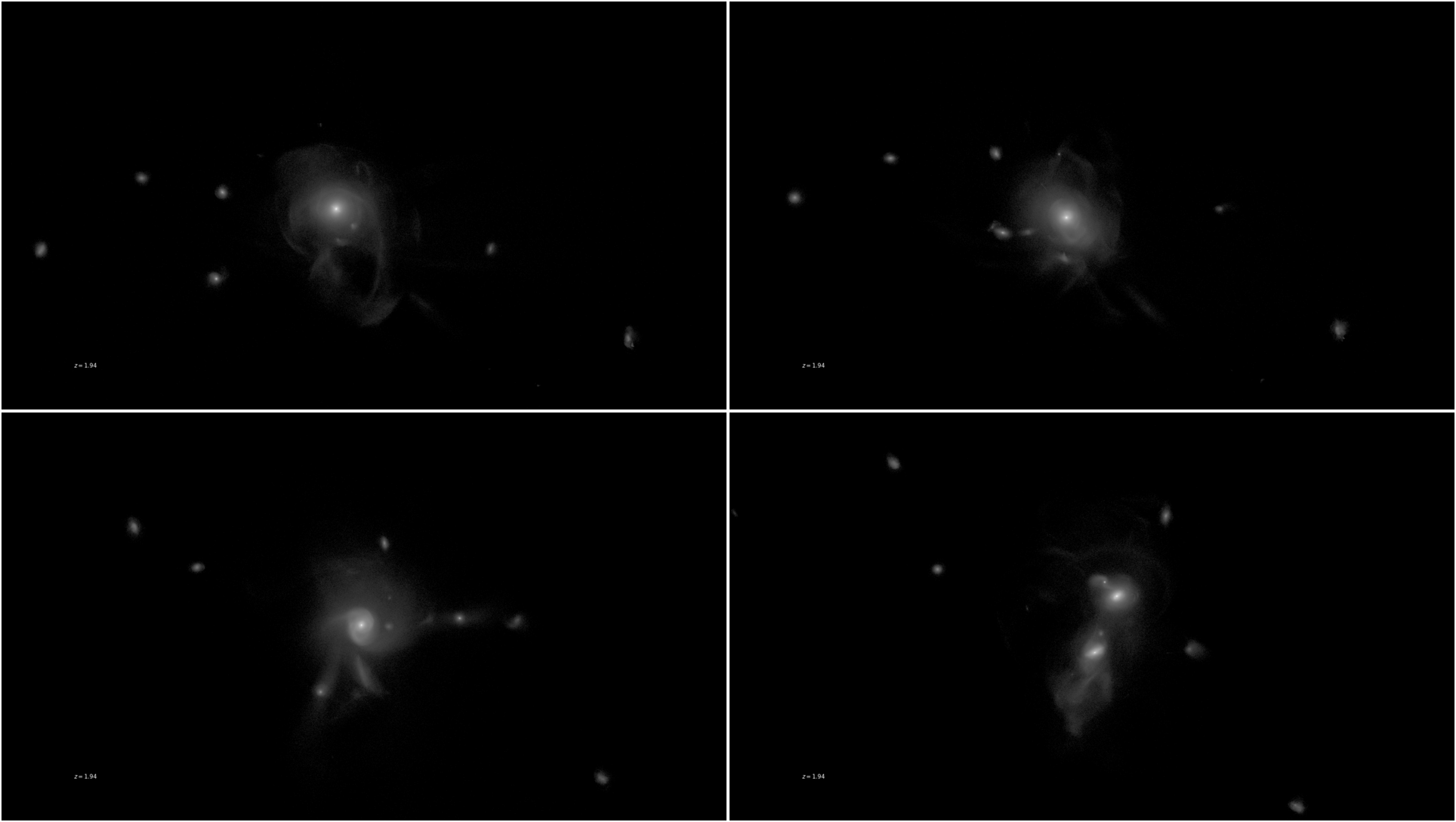
\( j_0 \times 0.66\)
\( j_0 \times 0.8\)
\( j_0 \times 1.2\)
\( j_0 \times 1.5\)
\( j_0 \times 0.66\)
\( j_0 \times 0.8\)
See Cadiou+21a
INPUT: Changes to tides \(z=\infty\)
OUTPUT: Ang. mom
\(z=2\)

\( j_0 \times 0.66\)
\( j_0 \times 0.8\)
\( j_0 \times 1.2\)
\( j_0 \times 1.5\)
\( j_0 \times 0.8\)
See Cadiou+21a
INPUT: Changes to tides \(z=\infty\)
OUTPUT: Ang. mom
\(z=2\)
Stellar angular momentum responds ~linearly
to large-scale tides
Impact of the cosmological-scale tides on halo properties
Results from Storck, Cadiou+25
5
Impact of the cosmological-scale tides on halo properties
Results from Storck, Cadiou+25
5
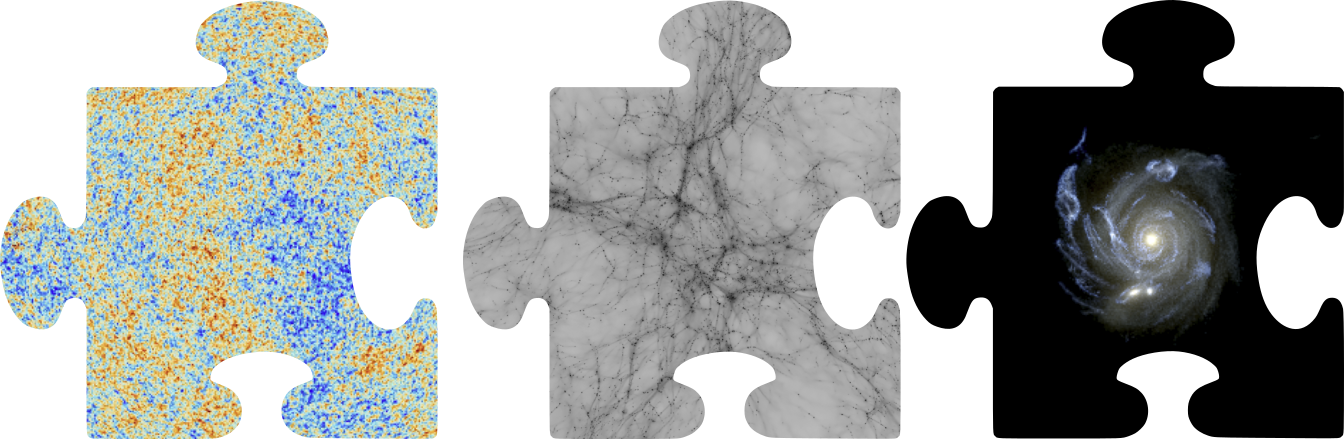
\(\rho_\mathrm{i}, v_\mathrm{i}\)
\(\Lambda\)CDM+baryon non-linear evolution
halo & galaxy properties
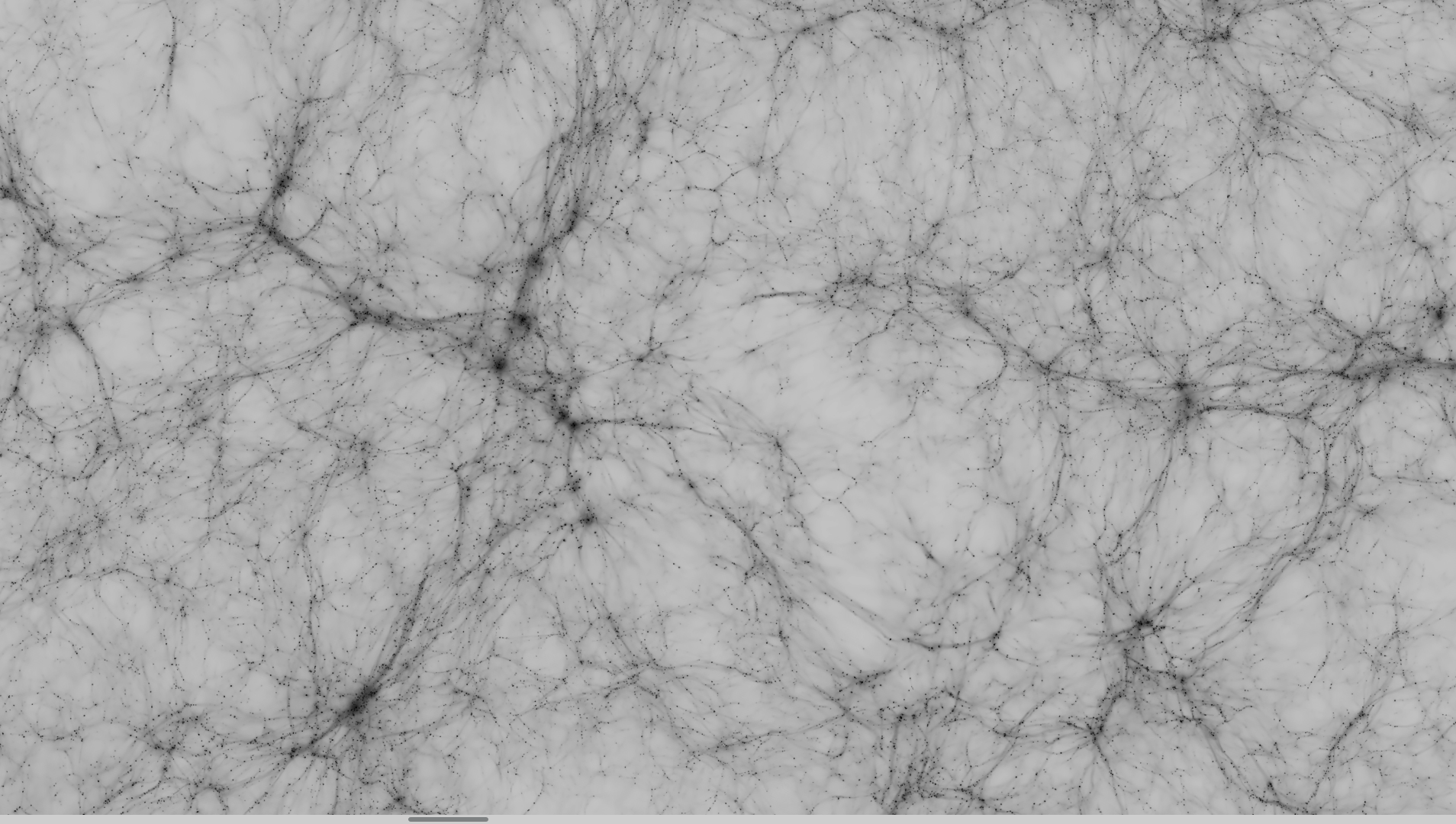
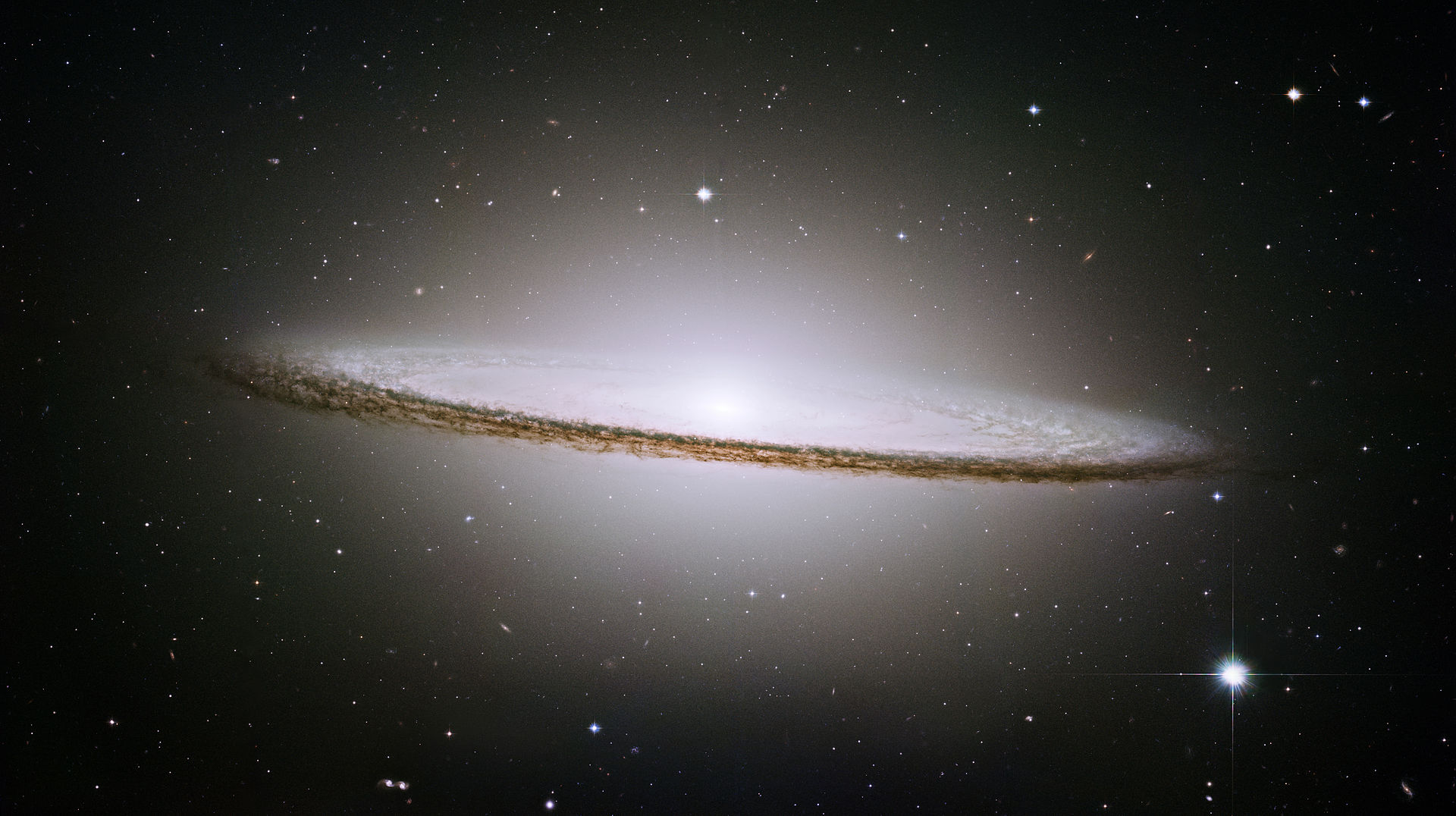
What if the galaxy had formed here instead?
What if the galaxy had formed here instead?
or here?
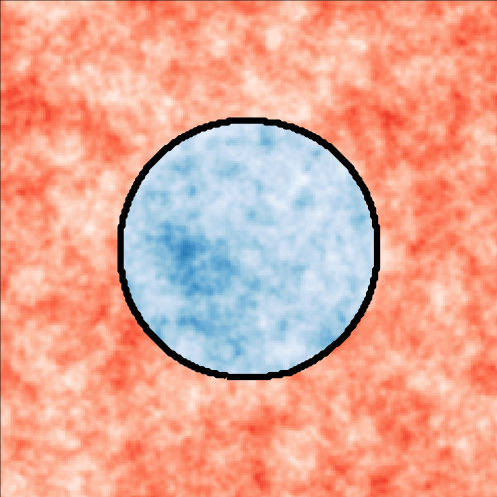
The “splicing” technique
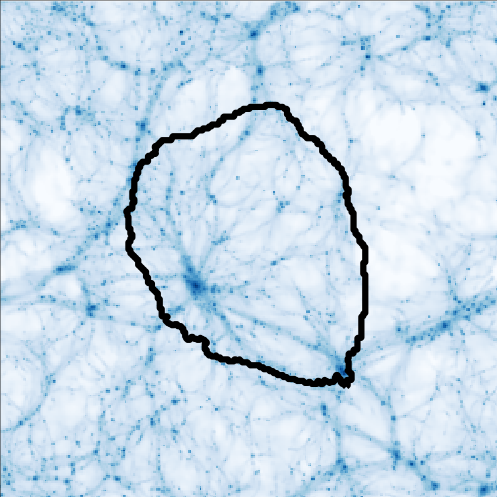
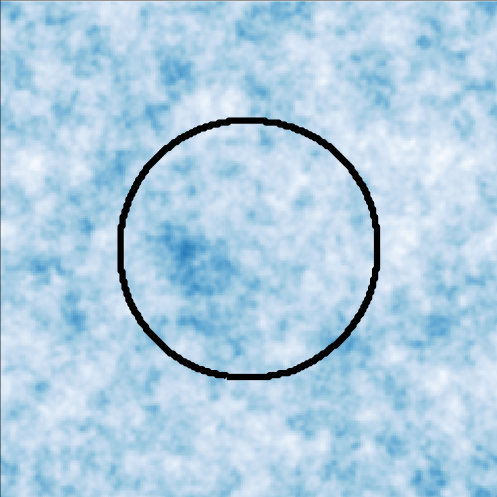
- Generate ICs
- Integrate (\(N\)-body)
- Select region of interest
- Trace back to ICs
- “Splice” the region
- Integrate again
\(t\)
Splicing: equivalent of constraining density field at all points in region
\(\longleftarrow 50\,\mathrm{Mpc} \longrightarrow\)


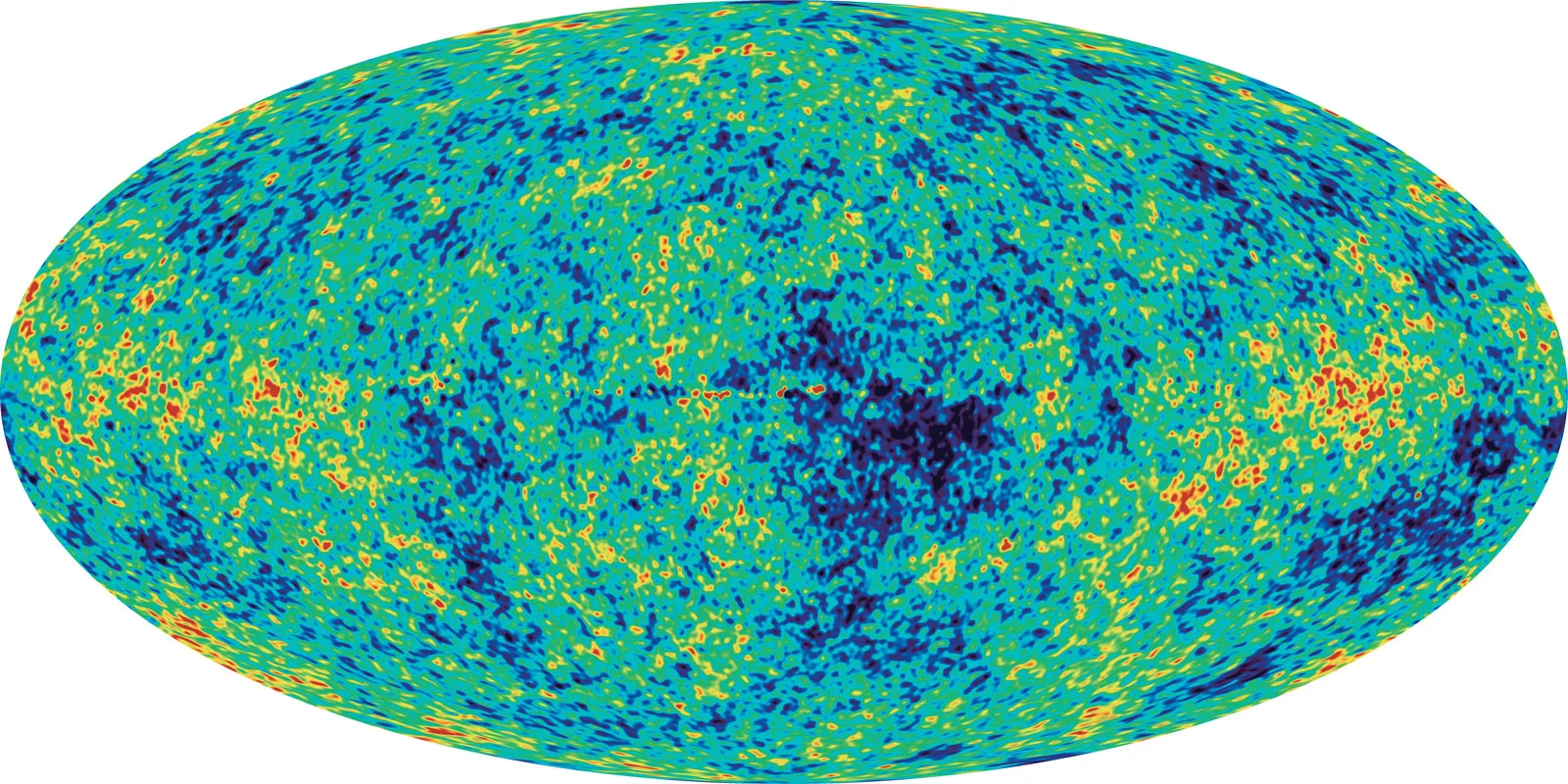
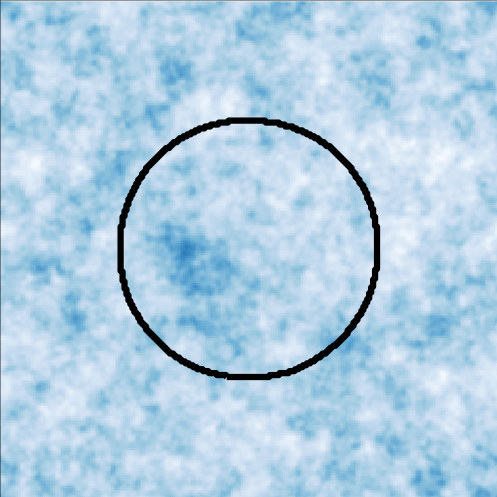
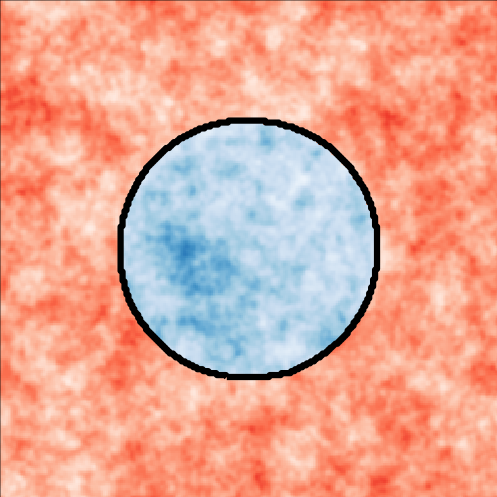
-

-
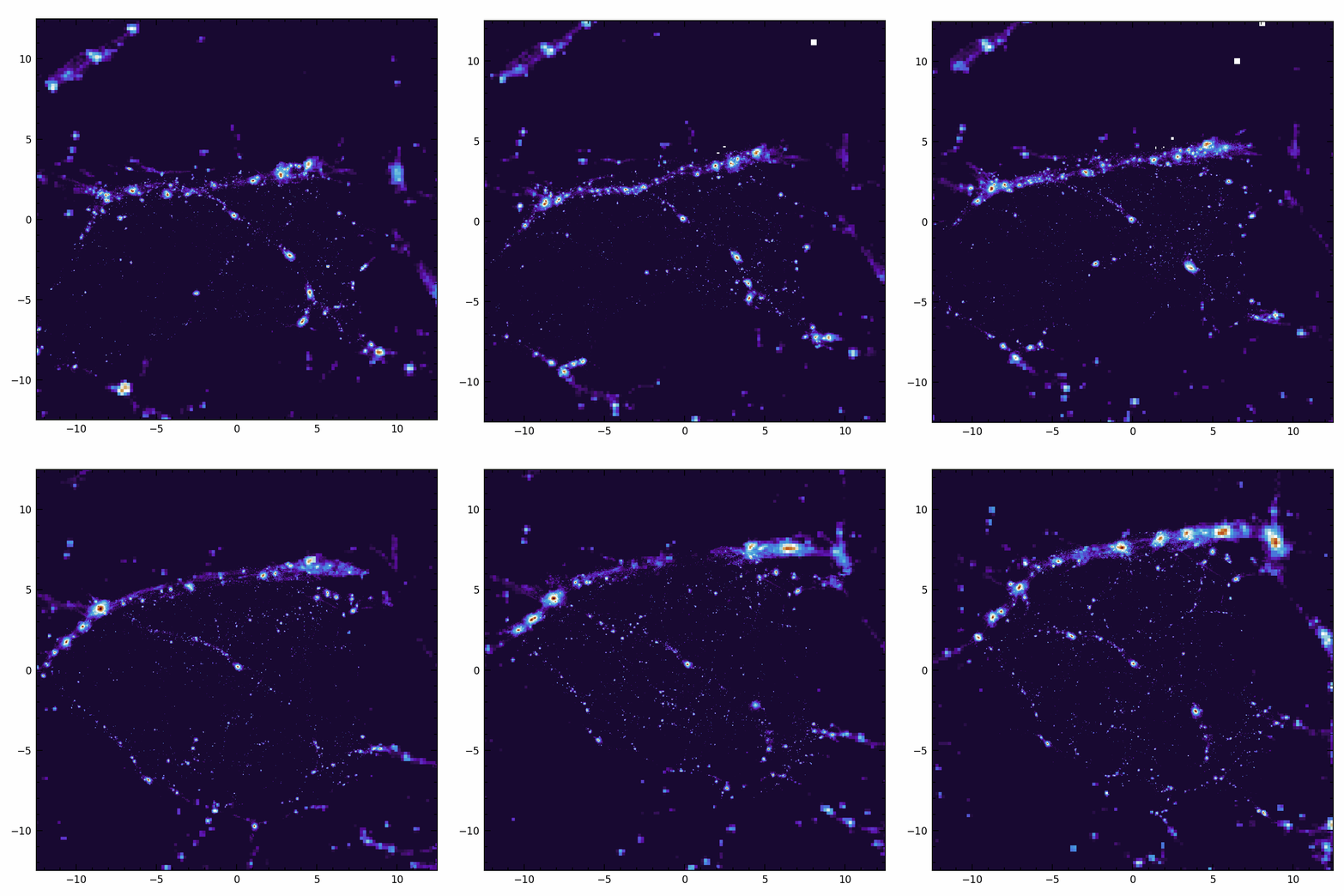
Same halo (same initial tides + density)
forming closer and closer to filament

Repeat for 5 halos, 9 positions

Deviation from the mean
For different quantities
spin alignment
shape alignment

Conclusions
The title might have been clickbait… but
-
On global scales galaxies aren't that complex: success of simulations
Actual complexity is on the order of 3 (mass, redshift, SFR?)
-
Tides determine merger orbital parameters & angular momentum accretion
Mergers are not stochastic/not rerolling the dice
-
Trickling down to galactic scale, which drives scaling relations
Galaxies are less stochastic than expected
Galaxy & DM spin are partially independent at the level of individual galaxies
-
Non-linear effects on halo shape and alignment are comparable to population-level
Crucial to investigate further the success of Euclid or LSST
Are galaxies chaotic?

How chaotic is galaxy formation? | Trieste
By Corentin Cadiou
How chaotic is galaxy formation? | Trieste
Presentation at Triste