Customer Centricity & Profiling


Persona Building


Learning Outcome
5
Apply persona thinking while creating ads or marketing messages
4
Understand why persona building improves marketing results
3
Identify the key elements required to build a persona
2
Differentiate between target audience and persona
1
Explain what a customer persona is in simple words
Why Understanding the Customer Matters
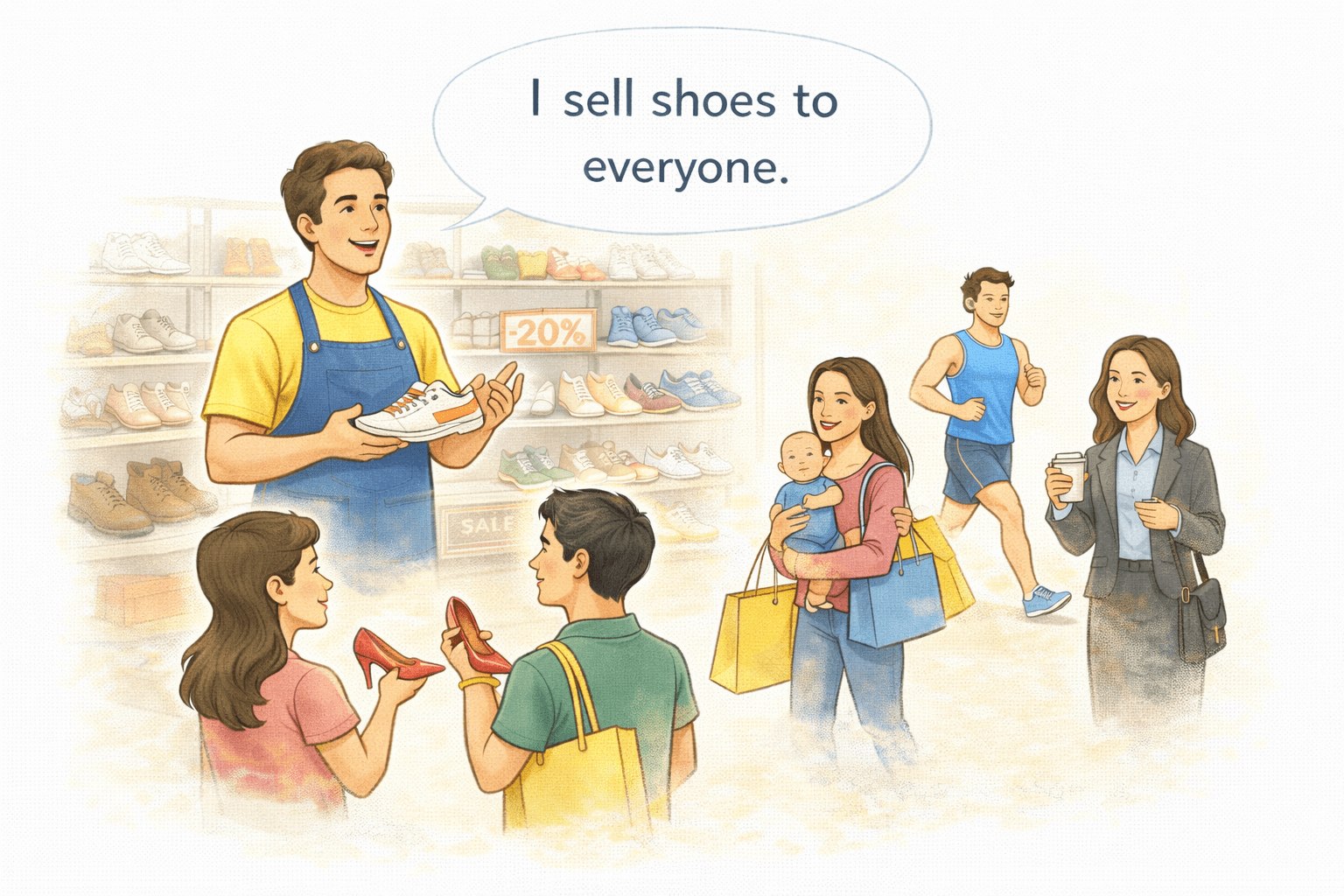
A shopkeeper sells shoes
He keeps saying:
“I sell shoes to everyone”
Why Understanding the Customer Matters
Because of this:
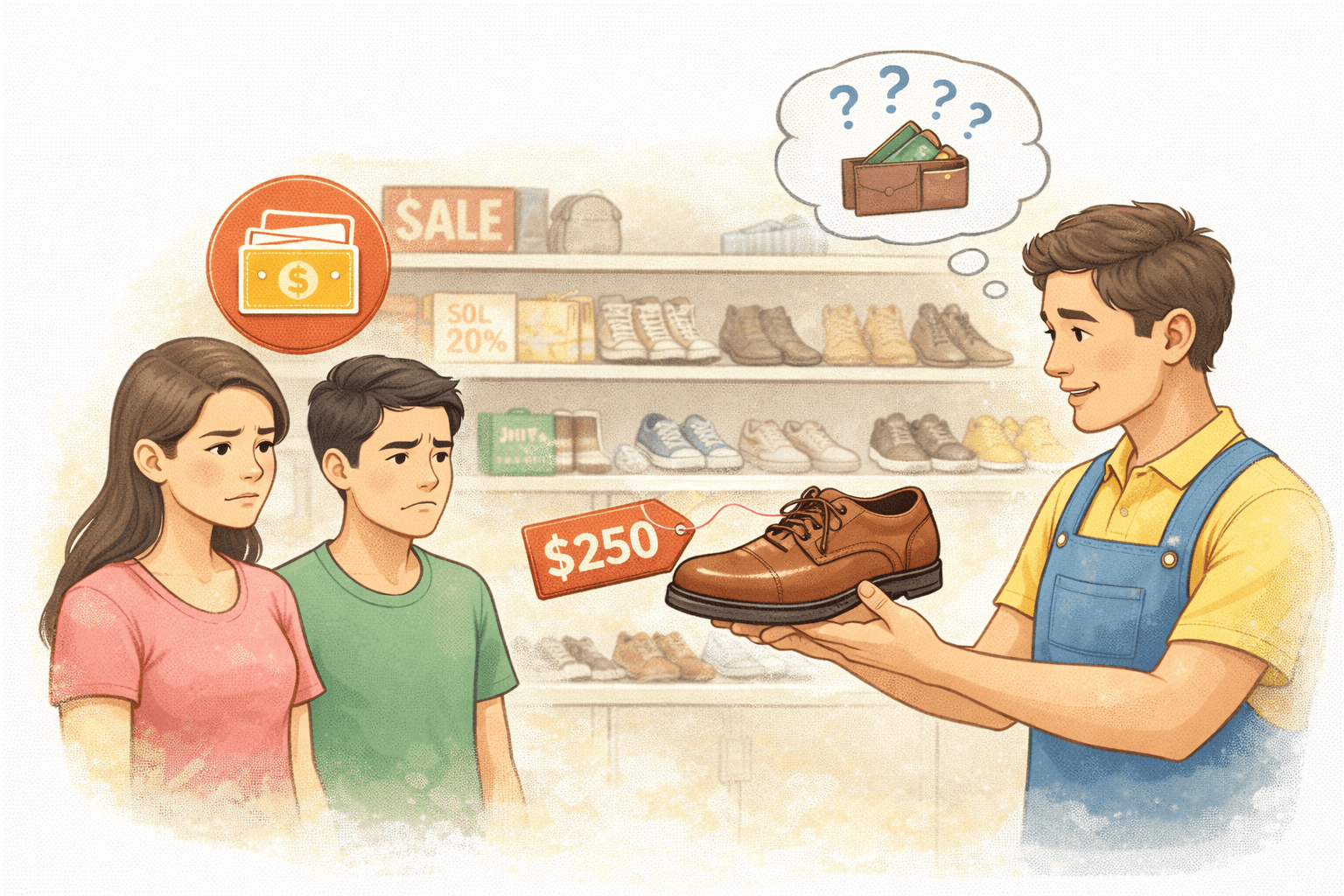
He shows expensive shoes to low-budget customers
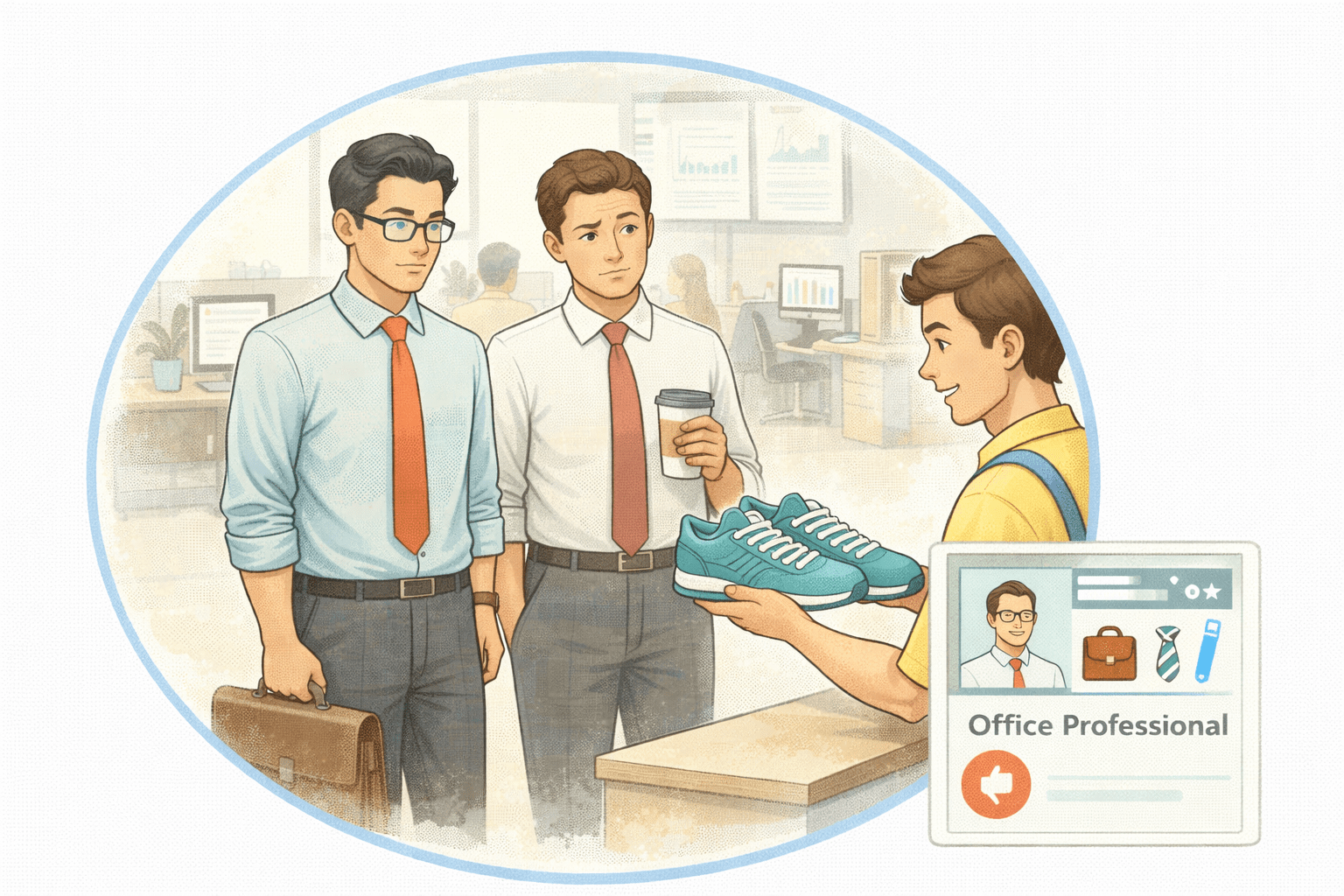
He shows casual shoes to office-going professionals
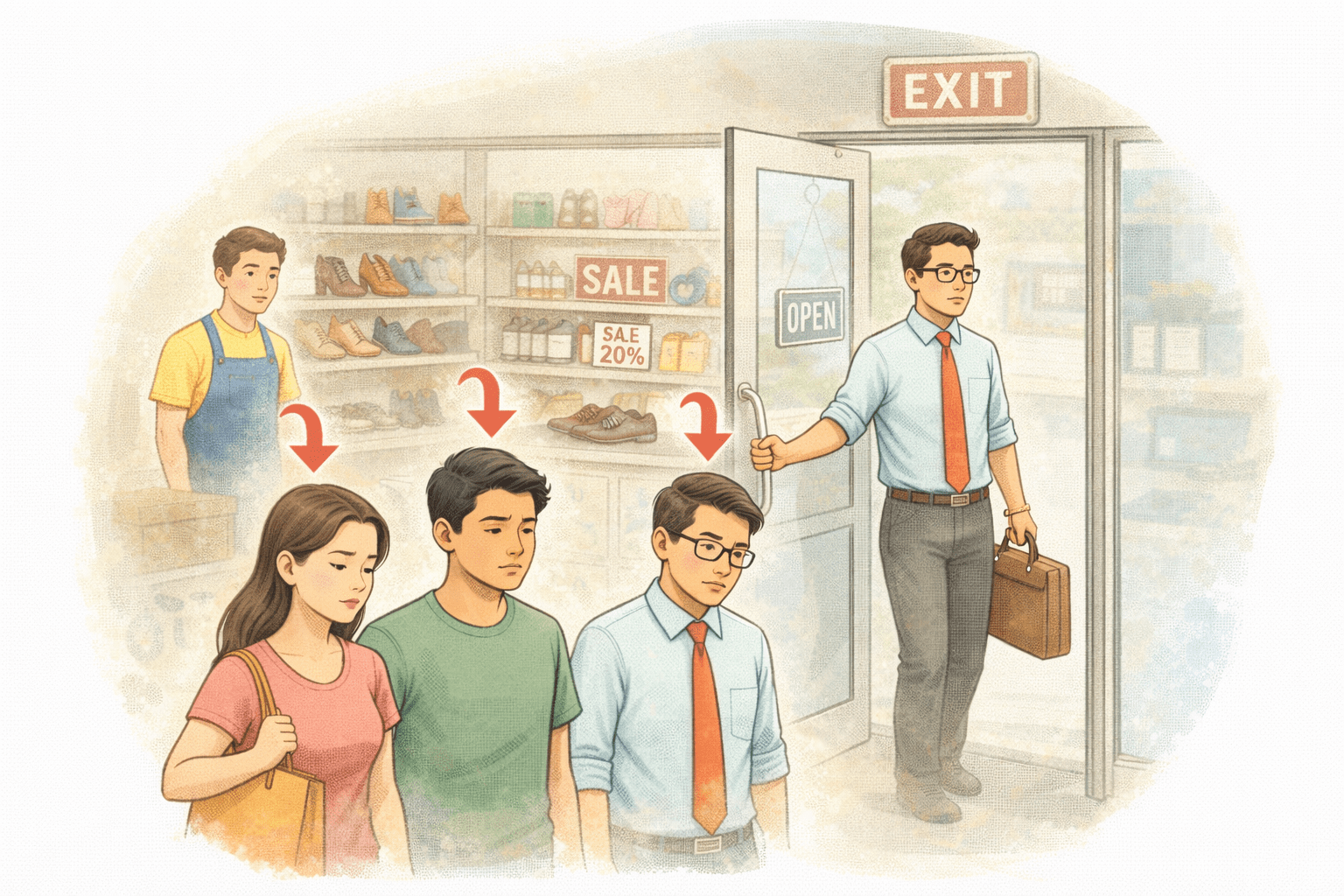
Customers leave without buying
Why Understanding the Customer Matters
One day, he Changes
His Approach.
He start Asking :


What do you need shoes for?
What is your budget?
Who are you?
Why Understanding the Customer Matters
Now:
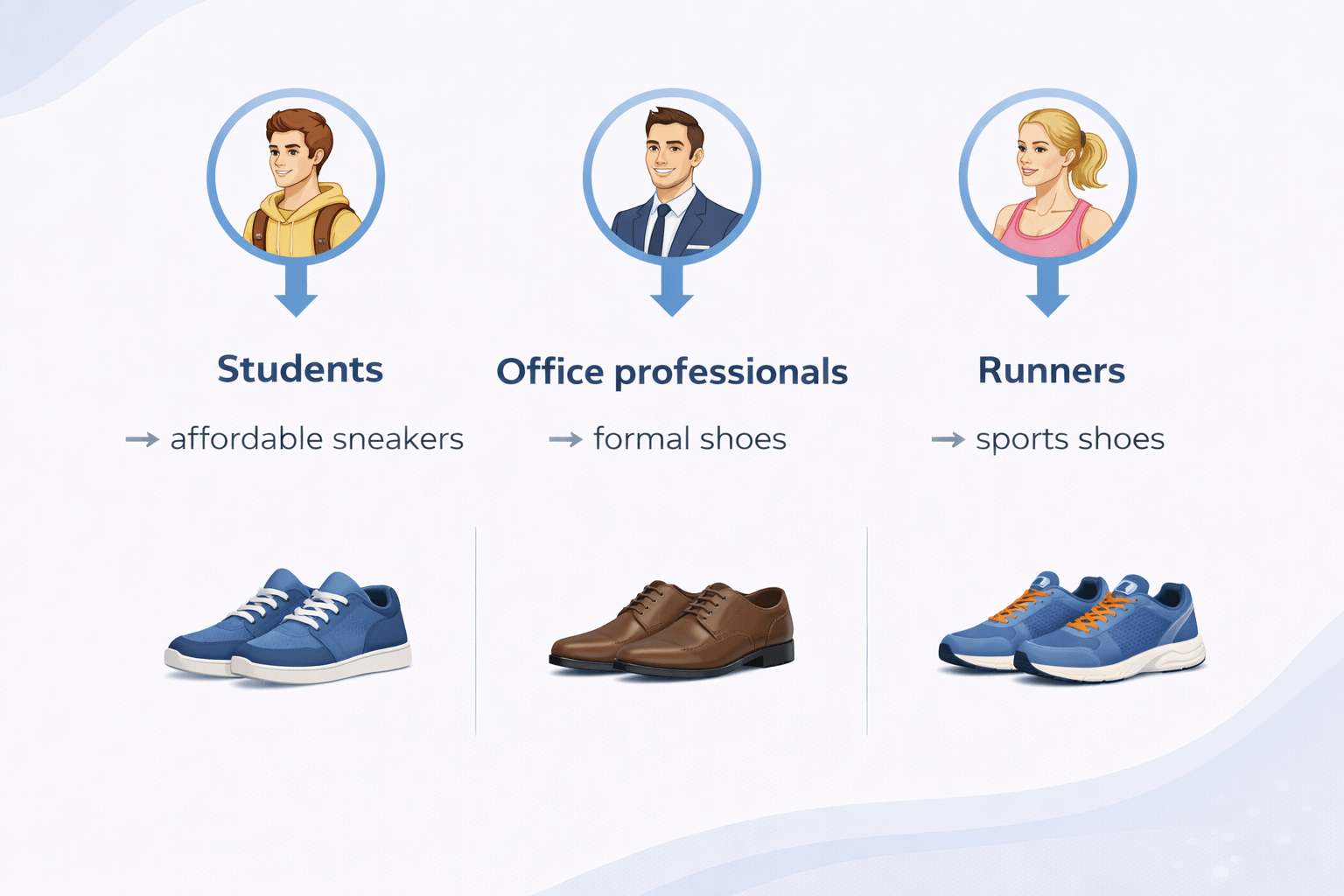
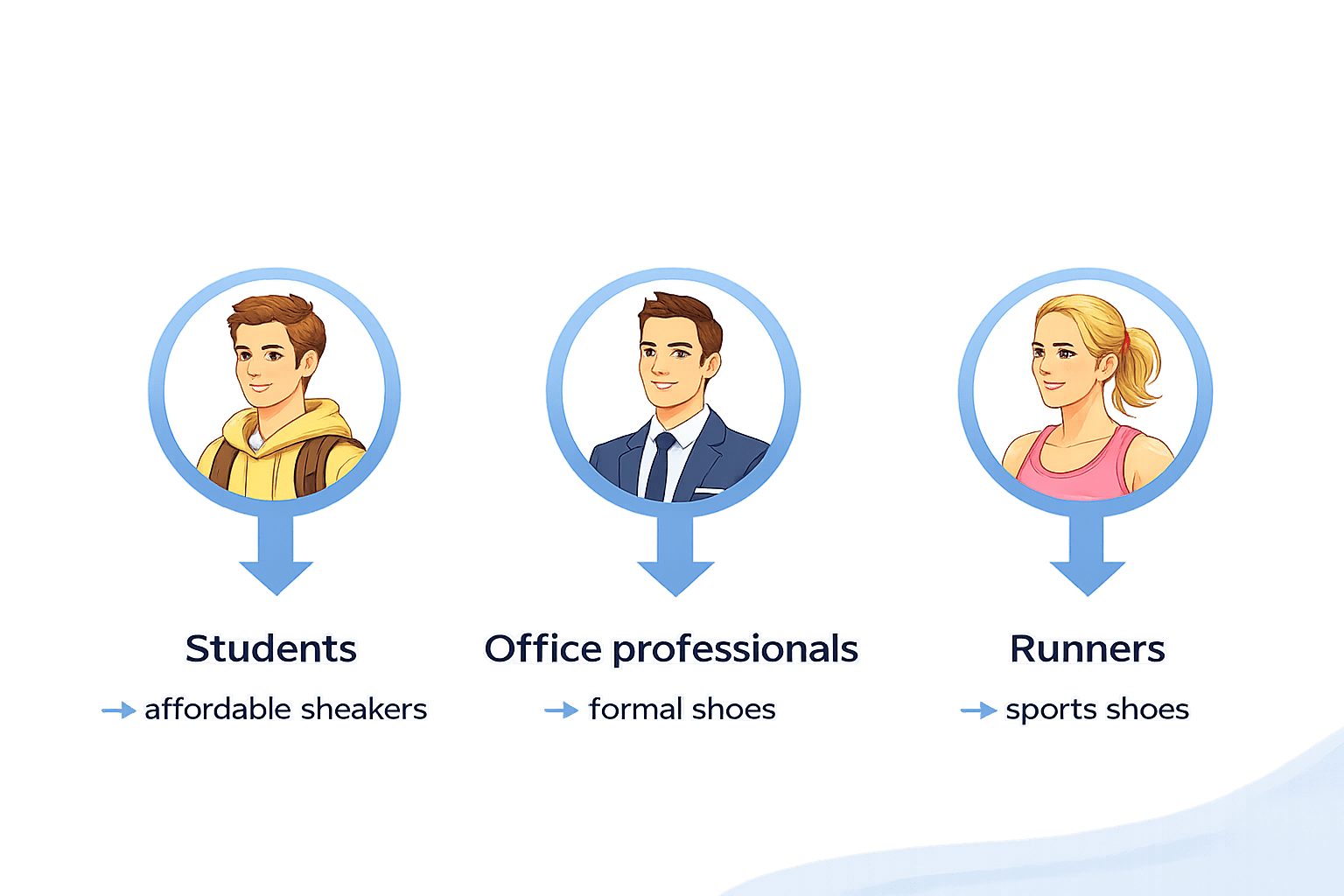
Students
→ affordable sneakers
Office professionals
→ formal shoes
Runners
→ sports shoes
Sales increase without increasing footfall
Why Understanding the Customer Matters
Learning:

Selling becomes easy when you know who your customer really is
That clear picture is called a Persona
Customer Insight as the Foundation of Marketing Strategy
A business runs ads saying:
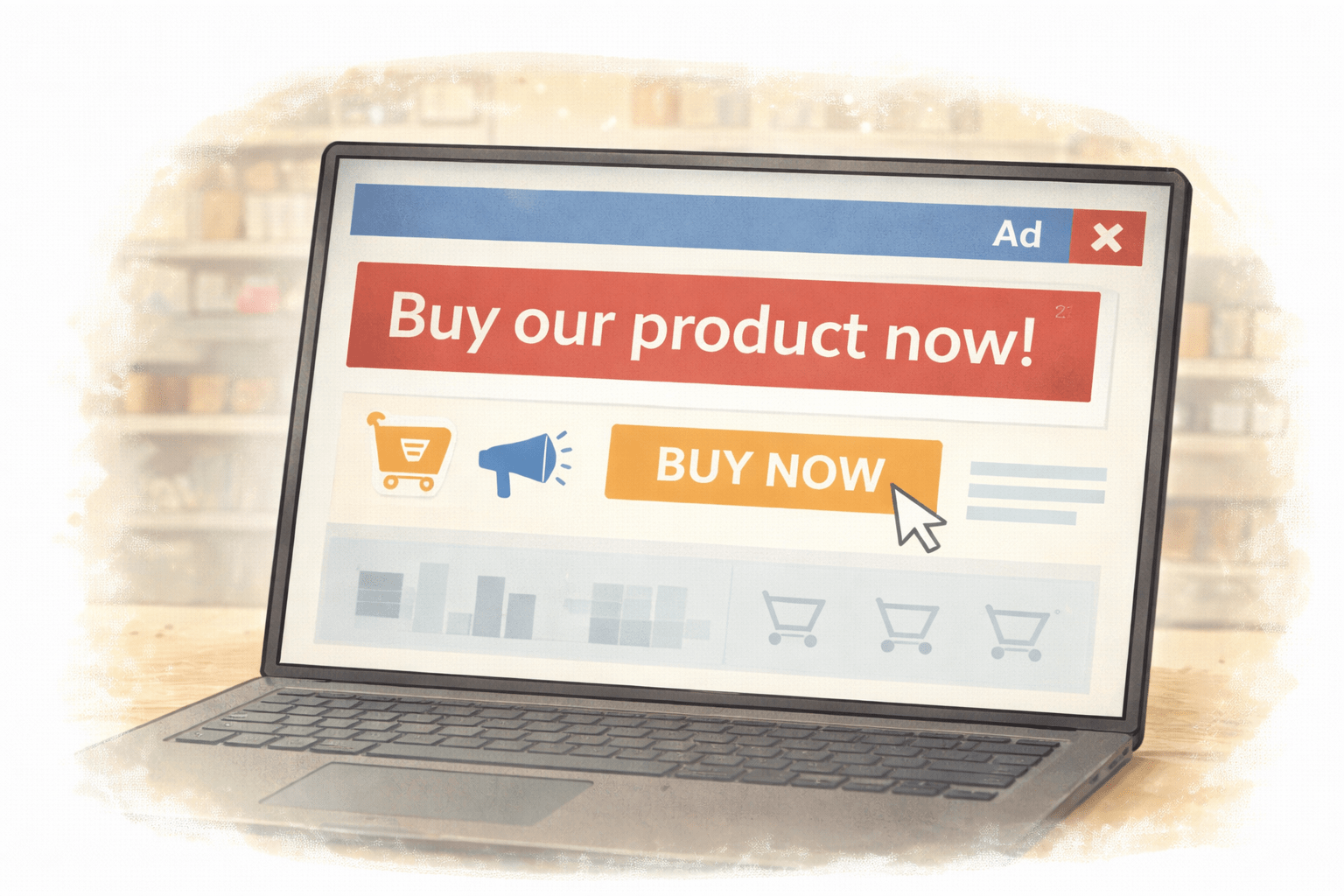
“Buy our product now”
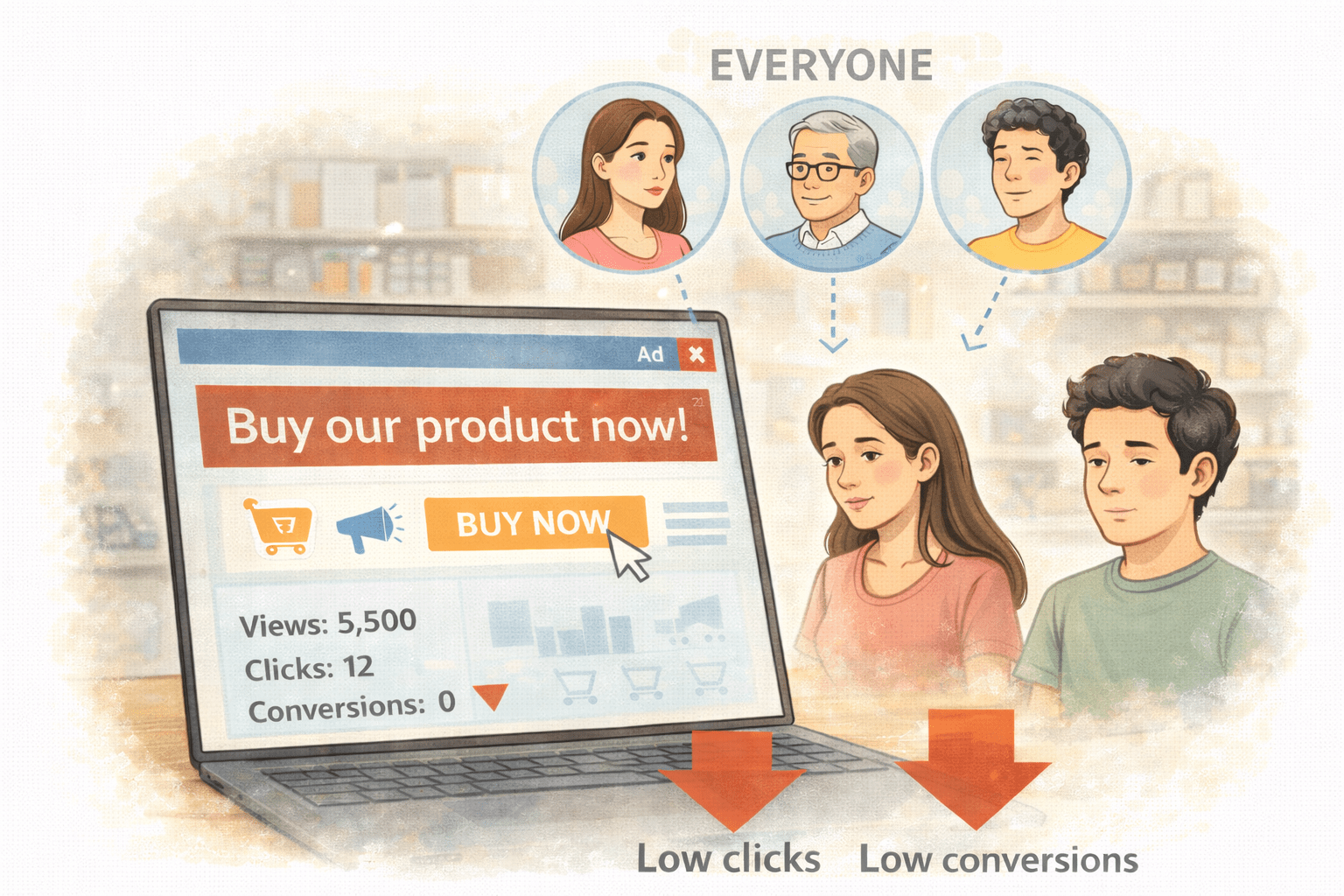
Audience = Everyone
Result = Low clicks, low conversions
Customer Insight as the Foundation of Marketing Strategy
Then they build personas:
Persona 1
College student
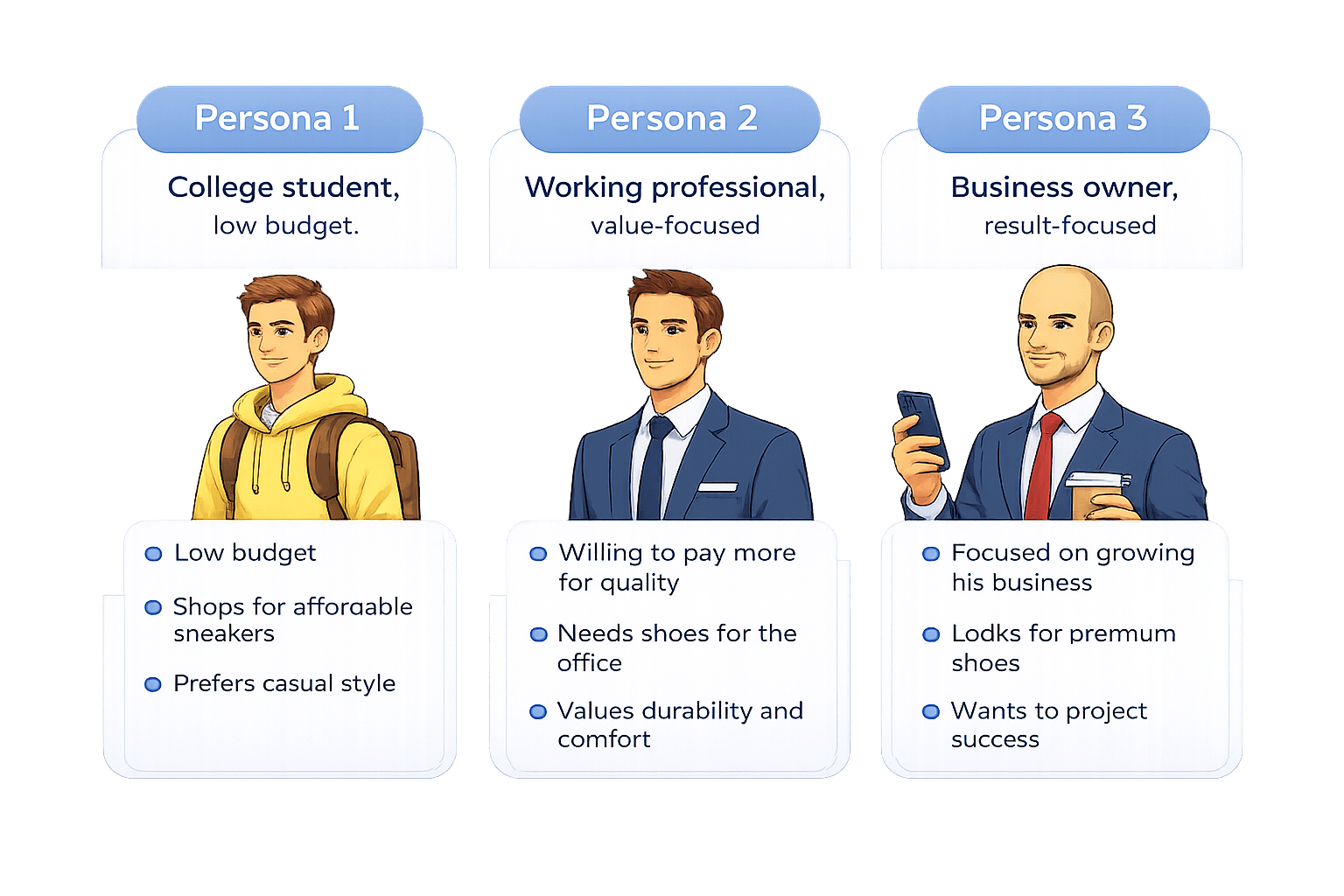
- Low Budget
Persona 2
Working professional
- Value Focused
Persona 3
Business owner

- Result focused
Customer Insight as the Foundation of Marketing Strategy
They change:
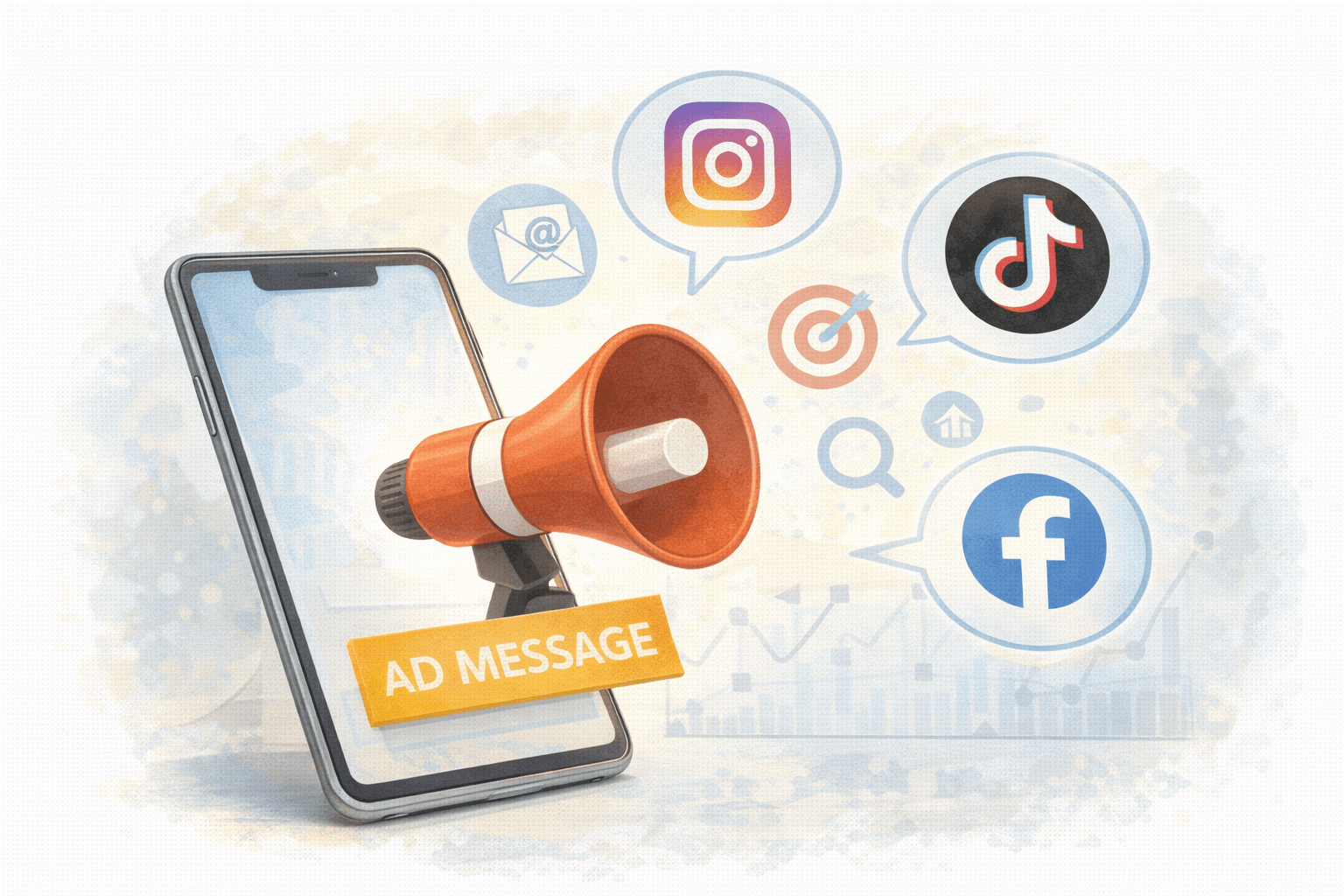
Ad message
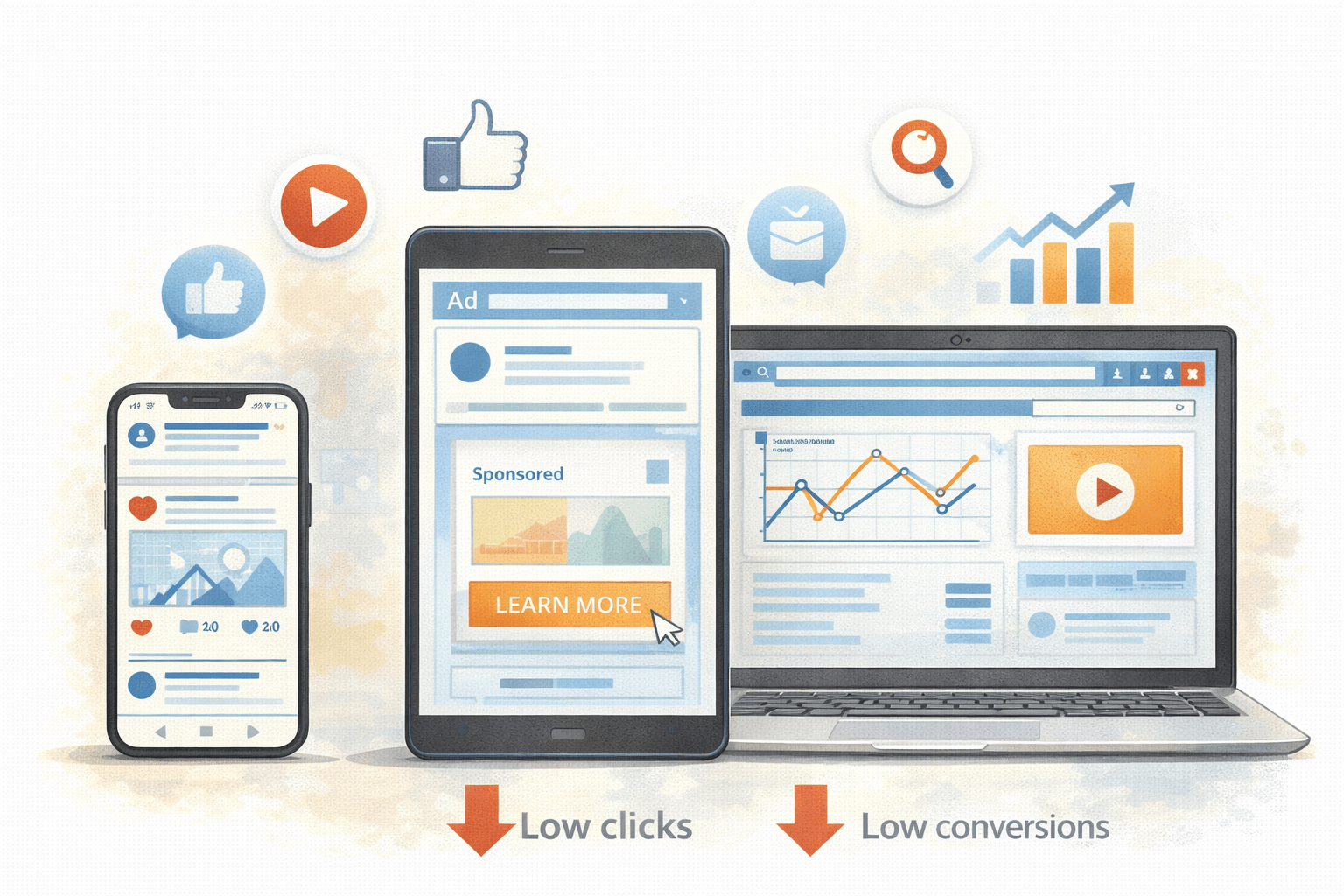
Platforms

Creative
Customer Insight as the Foundation of Marketing Strategy
Result:
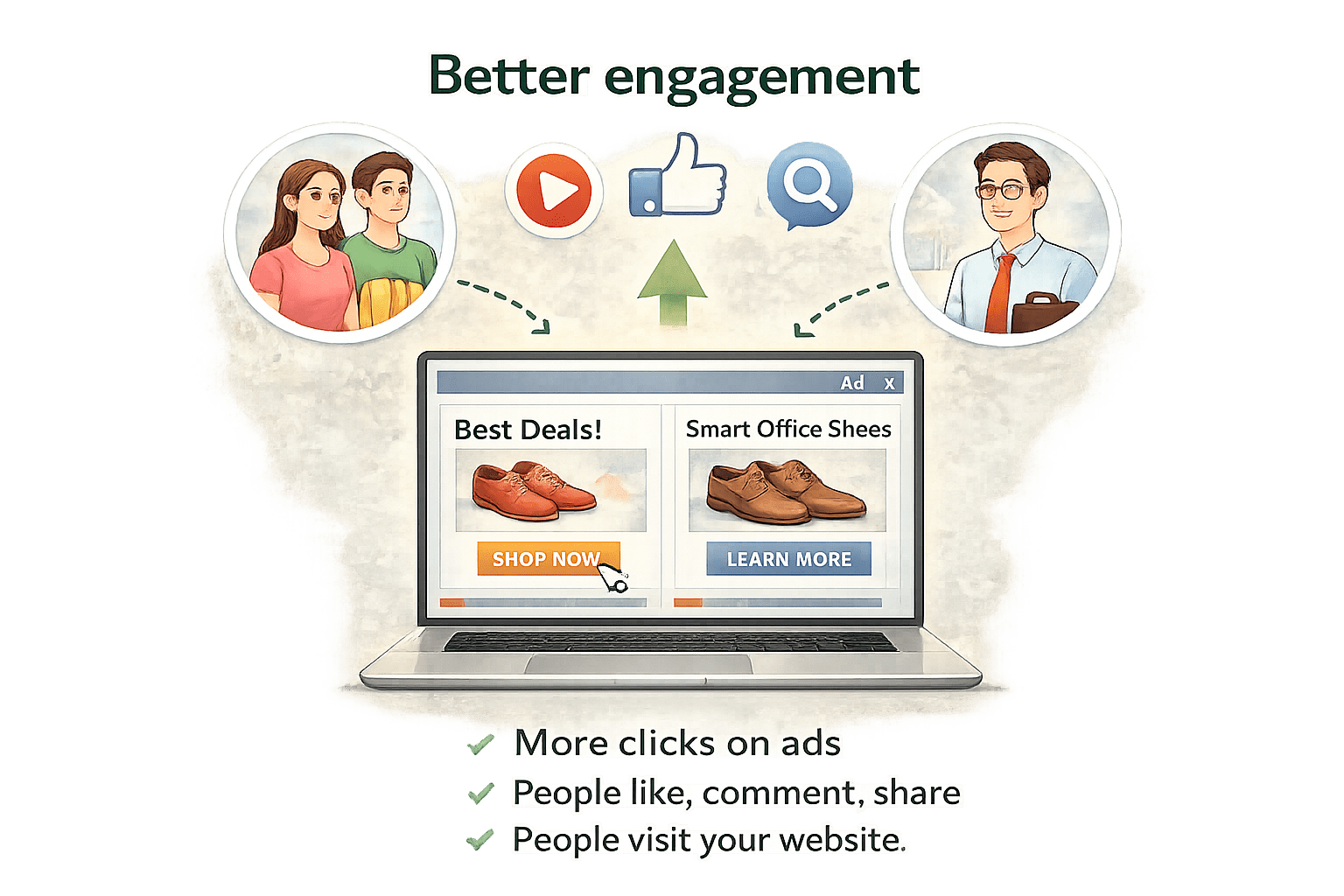
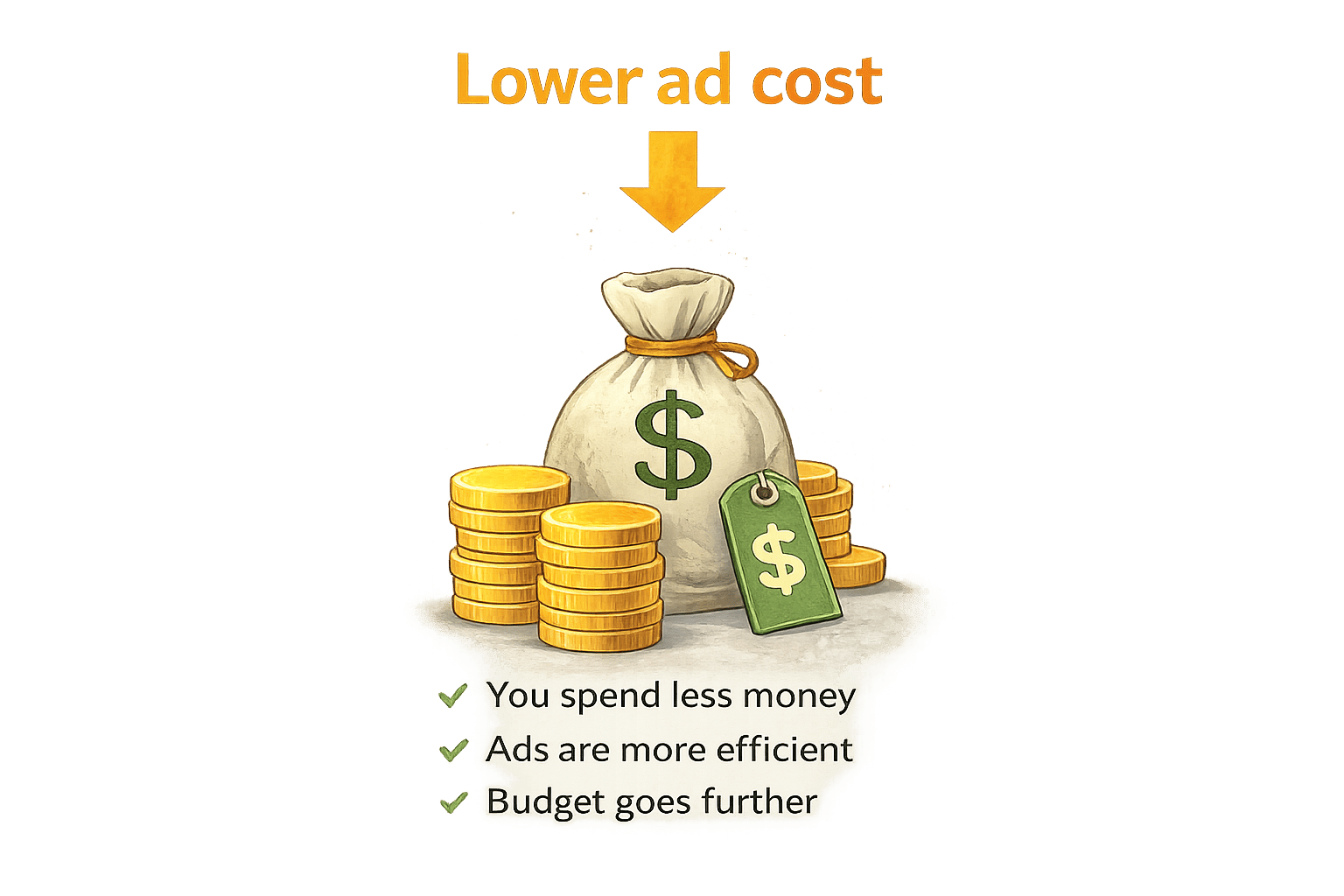
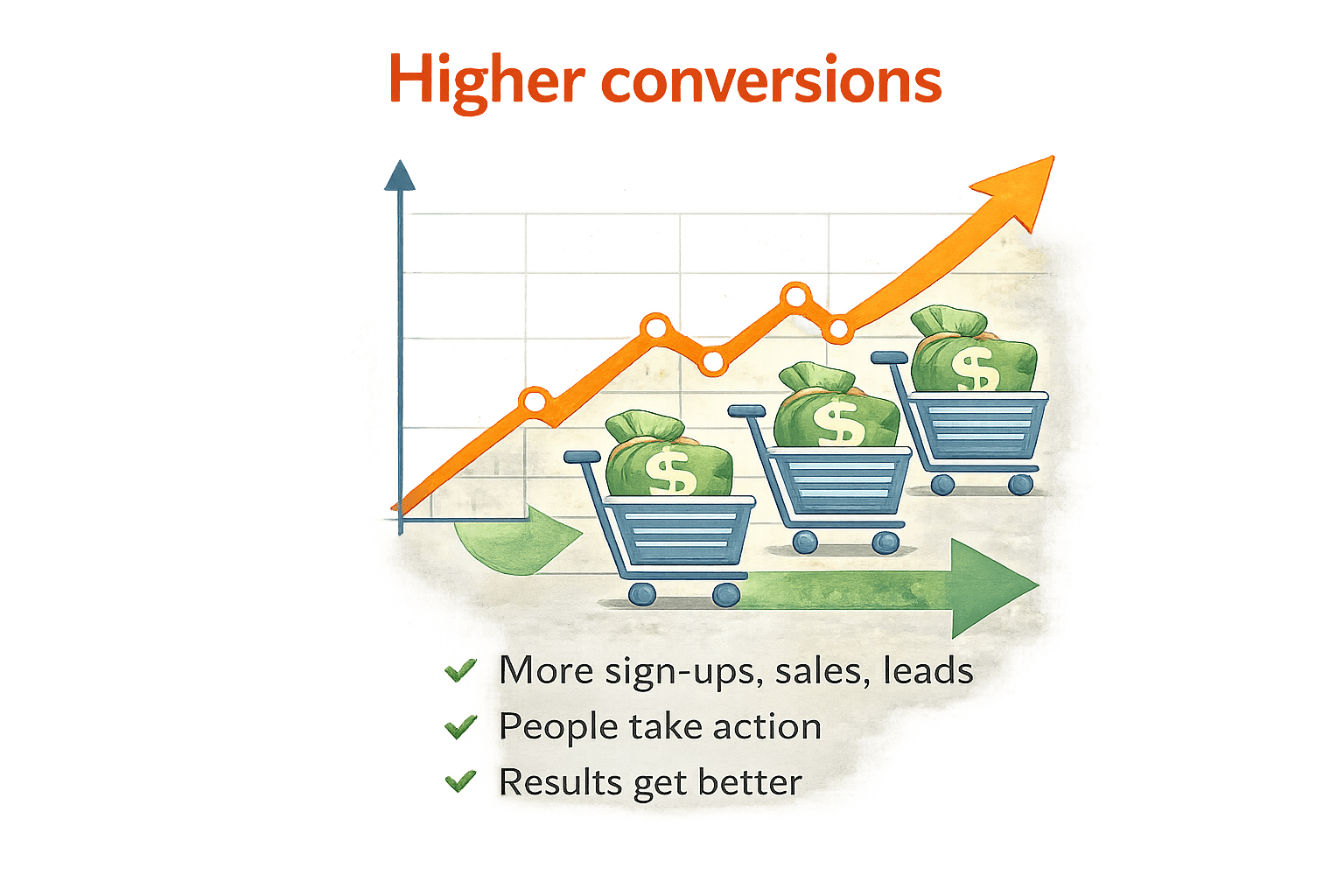
Better engagement
Lower ad cost
Higher conversions
Ads didn’t fail earlier
Persona was missing
WHAT IS A PERSONA?
A Persona is a clear picture of your ideal customer
Instead of saying,

“I sell to everyone,”
I sell to a budget-conscious, trend-focused college student (Age 20)
In simple words:
A Persona helps you understand who your customer is, what they need, and how they think, so you can sell better
WHY PERSONA BUILDING IS IMPORTANT
Without Persona:
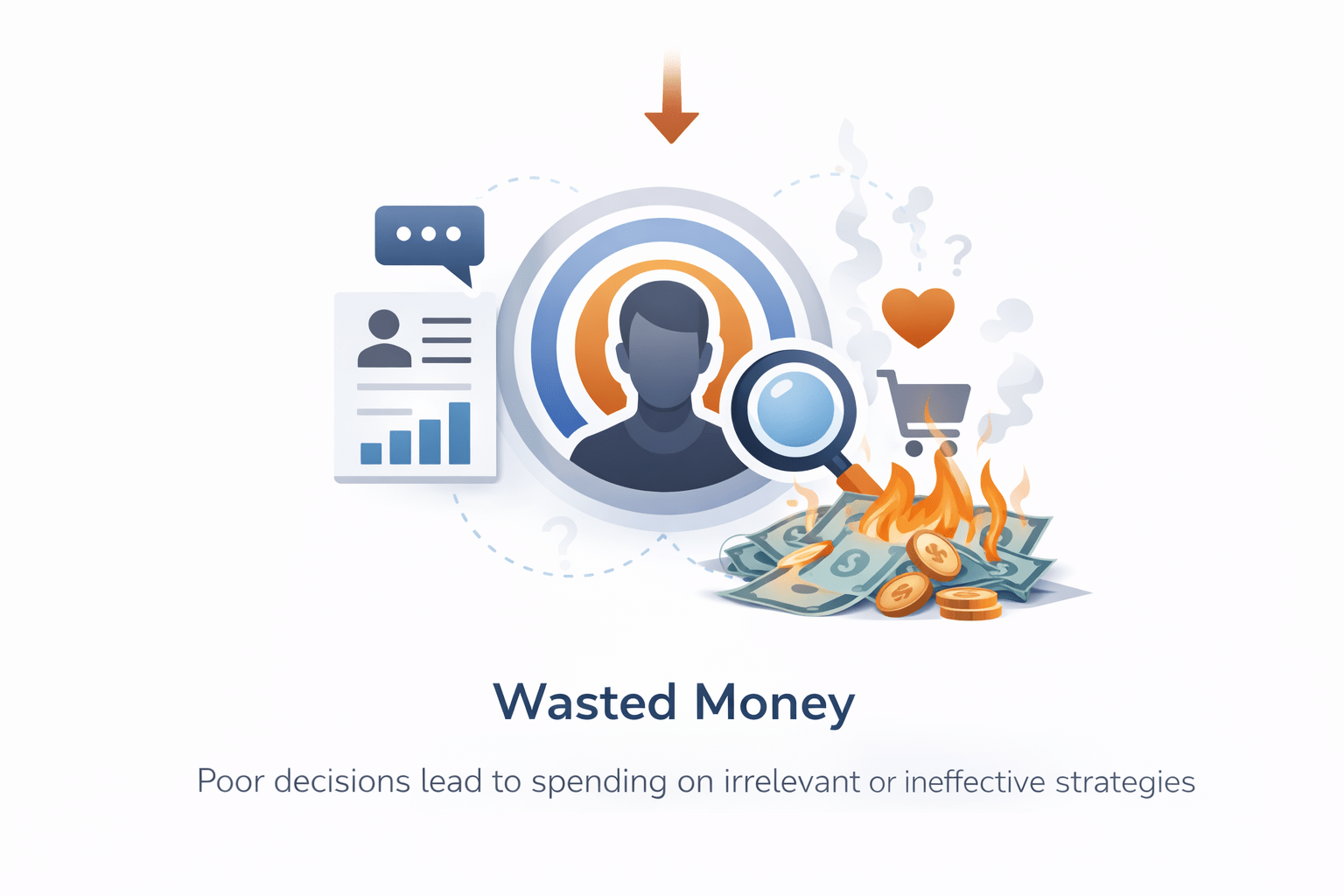
Ads become generic
Message becomes unclear
Money gets wasted
WHY PERSONA BUILDING IS IMPORTANT
With Persona:
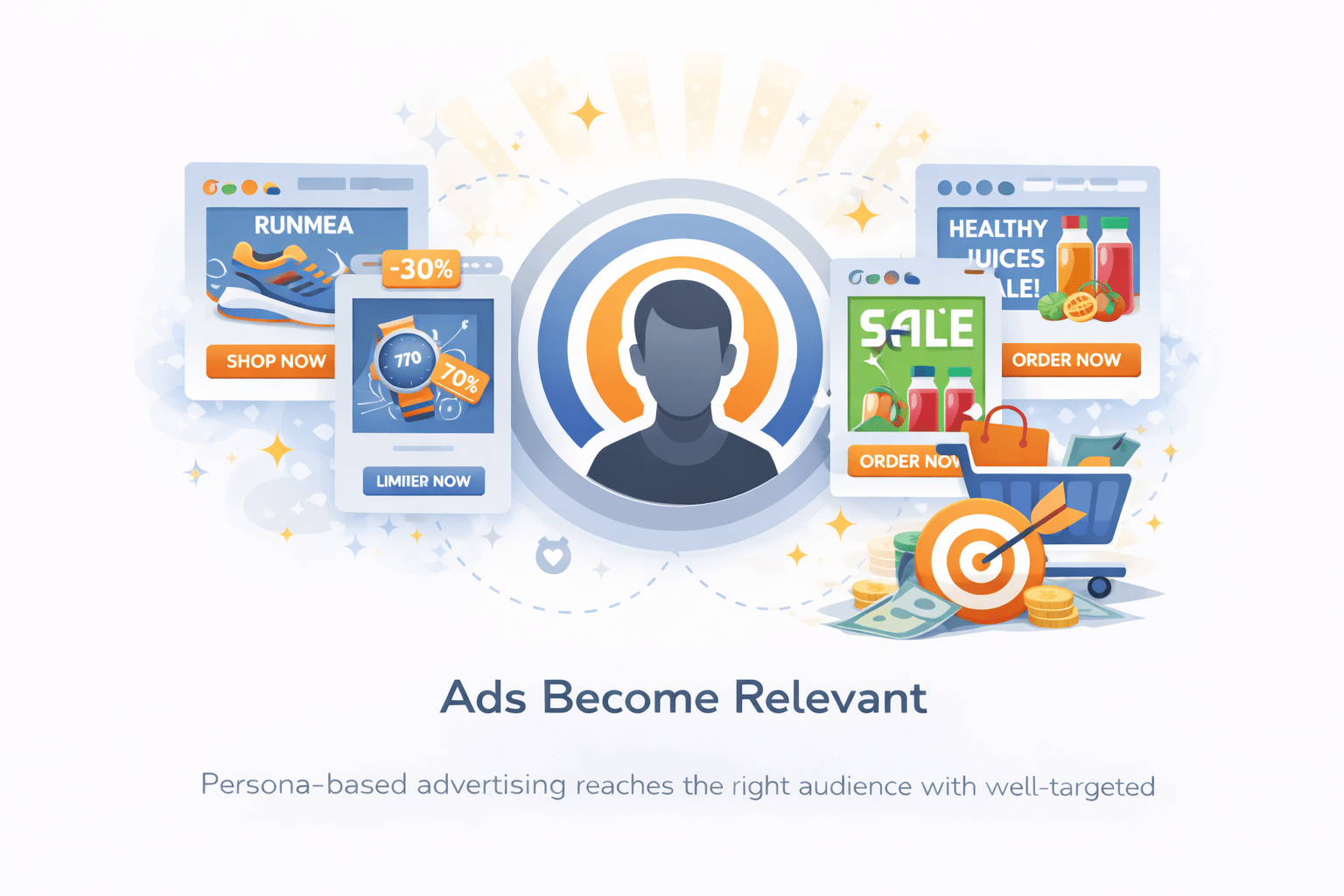
Conversion improves
You speak directly to the right person
Ads become relevant
PERSONA vs TARGET AUDIENCE
Target Audience
Persona
Broad and General
Tells who only
Example:
“18–25 year old students in India""
Specific and Detailed
Tells who,why and how
Example:
Rahul (20 yrs): Budget-conscious, style-seeking
Target Audience = Group of people

Persona = One Detailed person
COMPONENTS OF A CUSTOMER PERSONA
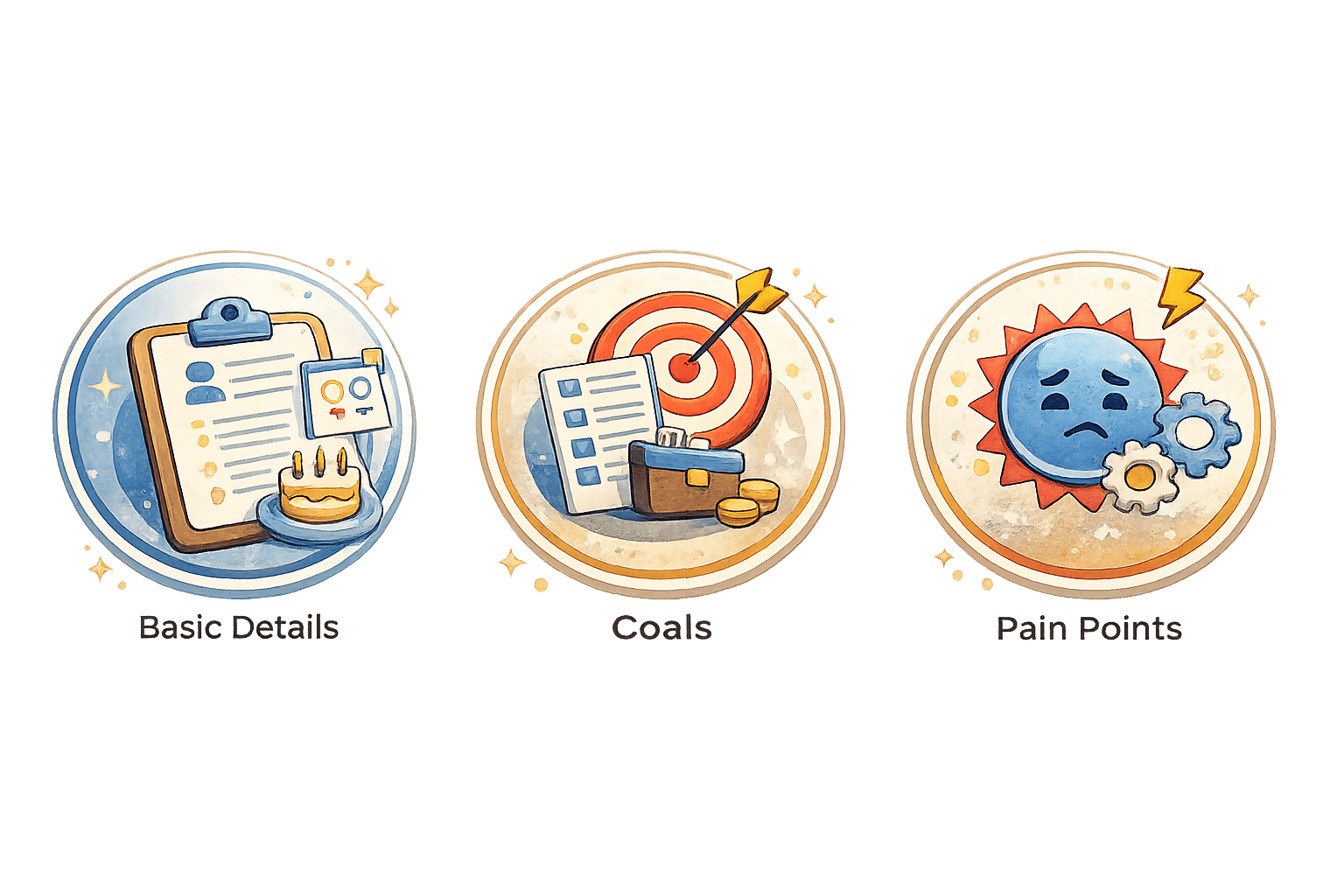
PAIN POINTS
What problems they are facing
BASIC DETAILS
1. Age 2. Gender
3. Location 4. Job
GOALS
What they want to achieve
COMPONENTS OF A CUSTOMER PERSONA
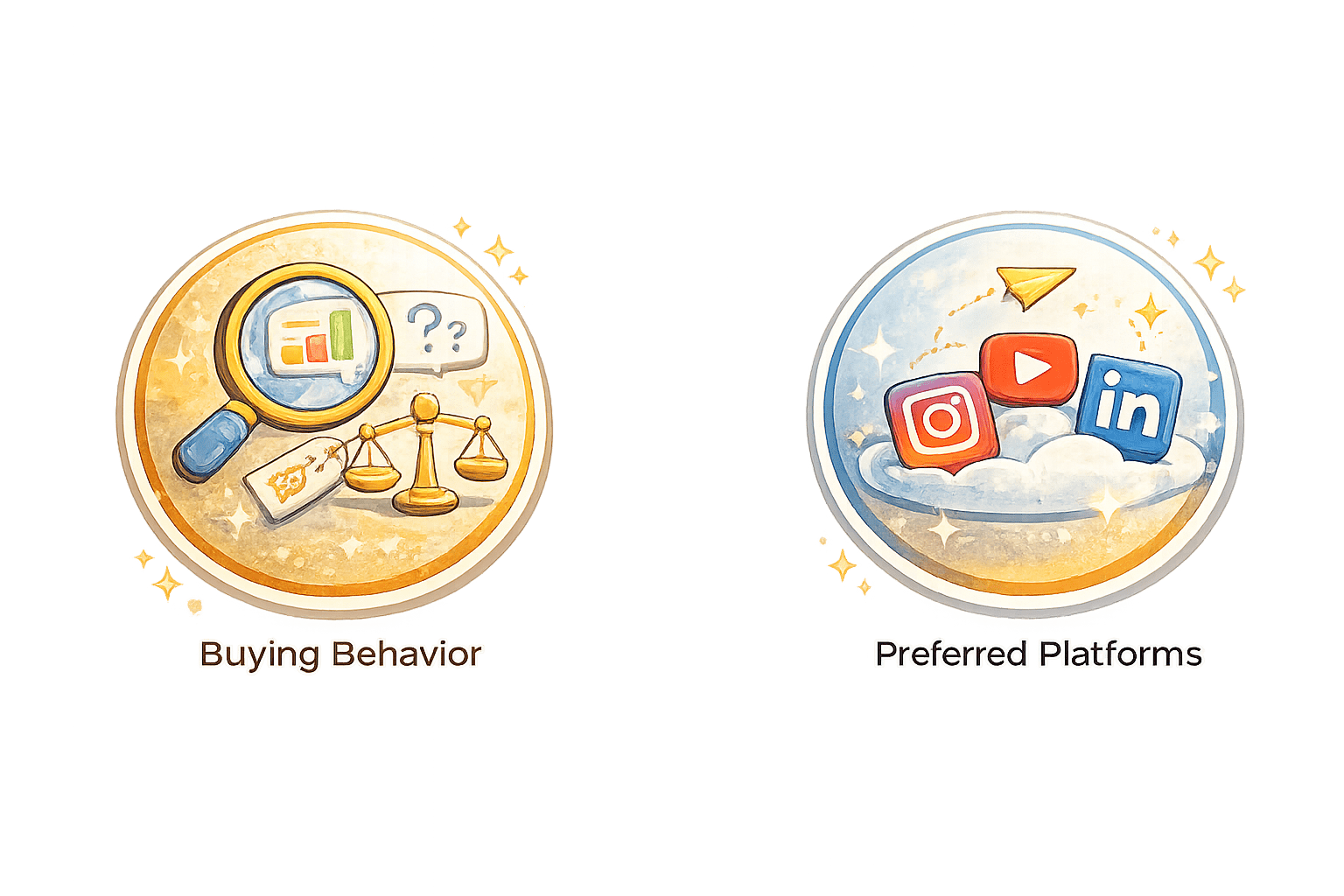
BUYING BEHAVIOR
- Do they compare a lot?
- Are they price sensitive?
PREFERRED PLATFORMS
-
Instagram
-
YouTube
-
LinkedIn
WHY THESE ELEMENTS MATTER
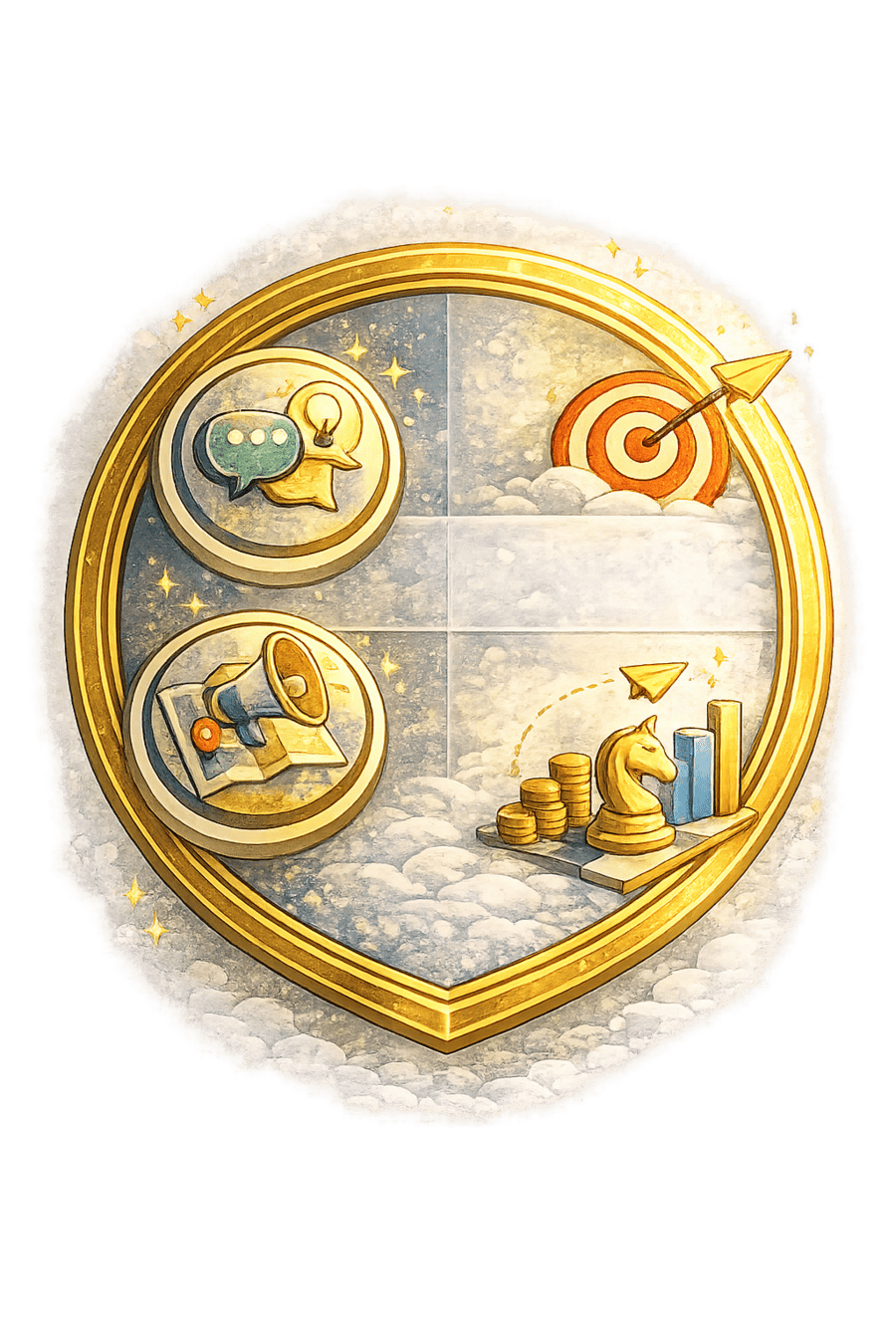
- How to talk
- Where to talk
- What to offer
PERSONA BUILDING IN DIGITAL MARKETING
In digital marketing, persona helps you decide:

What ad message to write
1
What creative to design
2
Which platform to use
3
What offer to give
4
What tone to use
5
PERSONA BUILDING IN DIGITAL MARKETING
EXAMPLE
College Student Persona
- Short reels,
- Discount offer,
- Trendy language
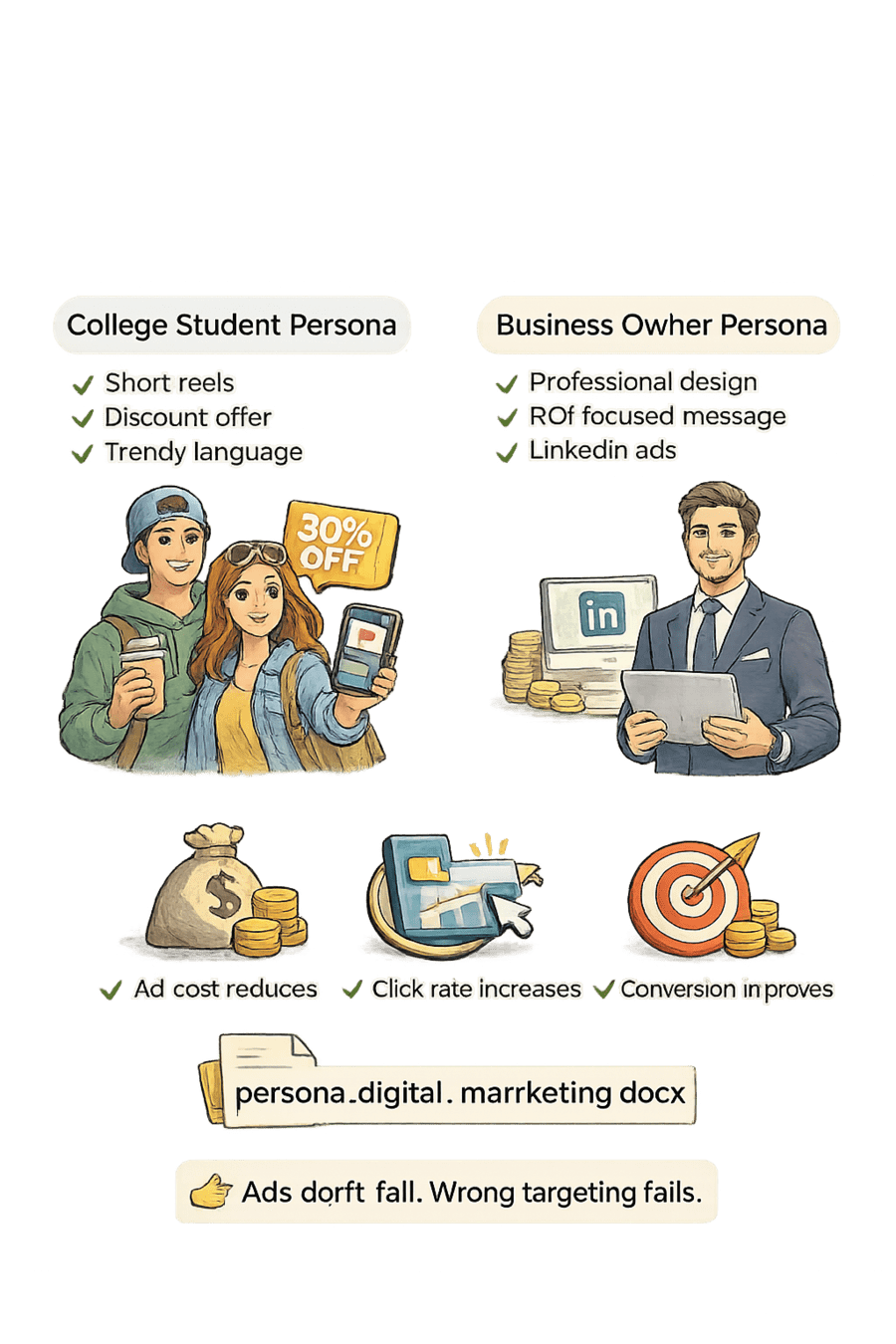
Business Owner Persona
- Professional design,
- ROI-focused message,
- LinkedIn ads
PERSONA BUILDING IN DIGITAL MARKETING
When persona is clear:
Ads don’t fail
Wrong targeting fails
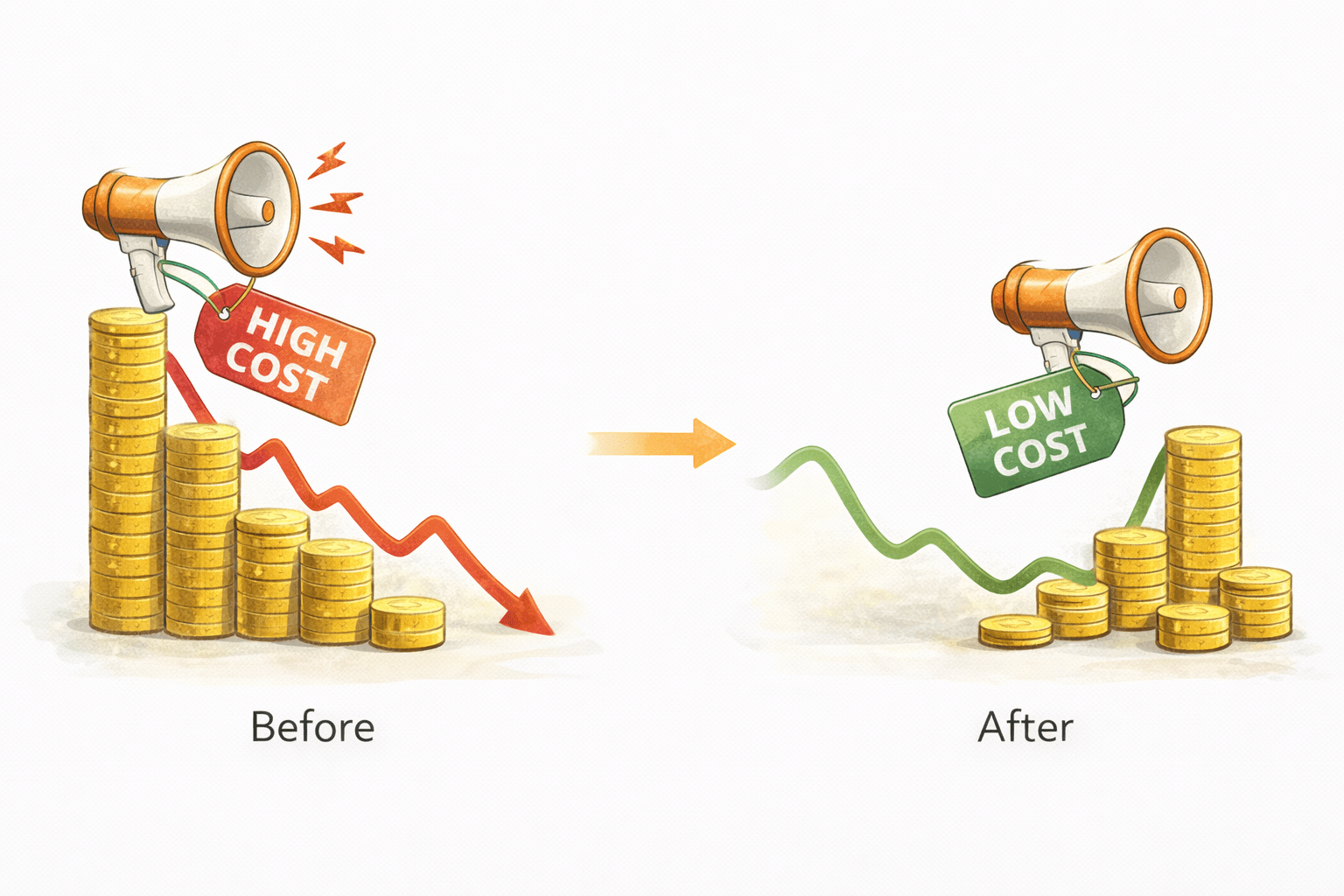
Ad cost reduces
Click rate increases
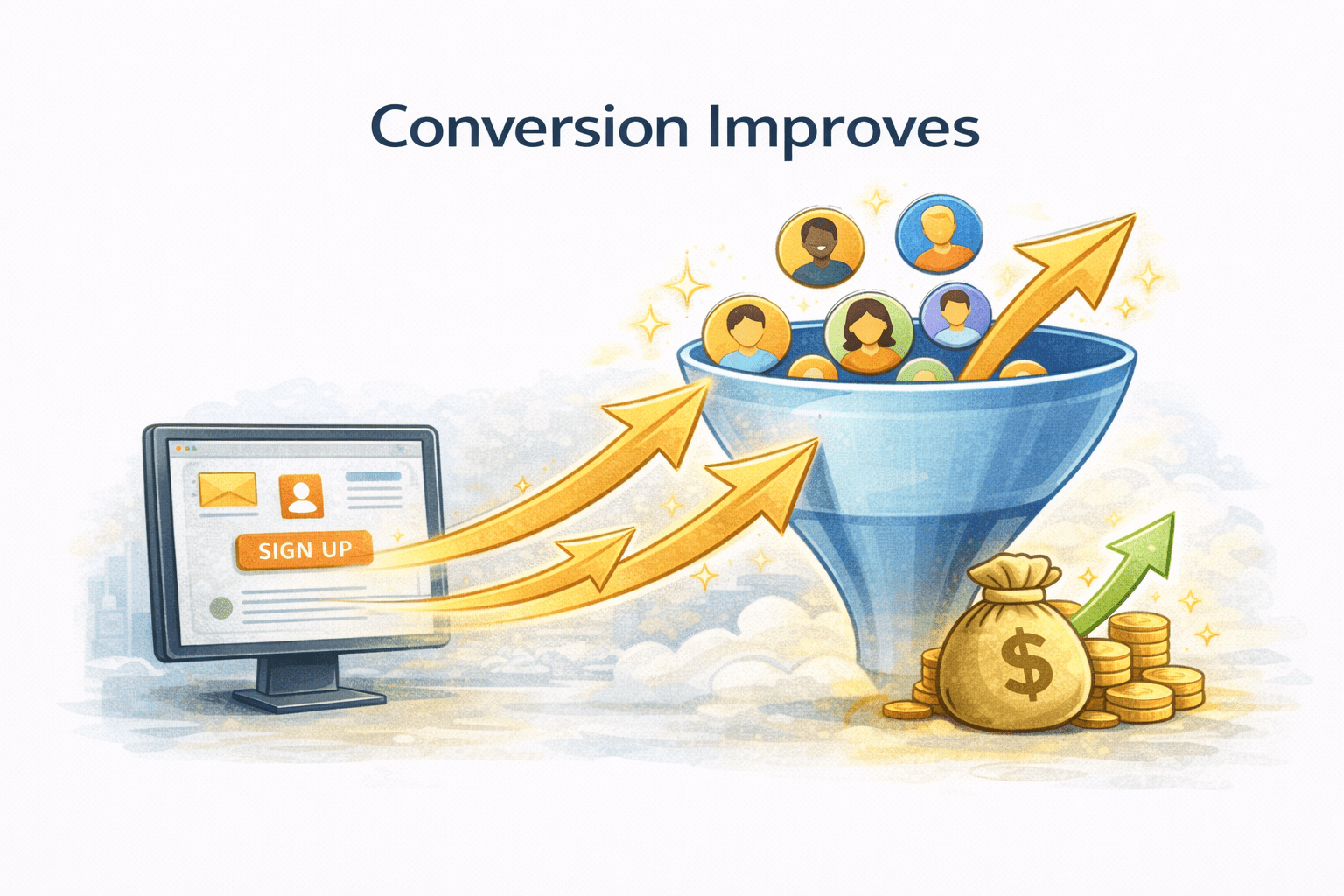
Conversion improves
Summary
4
Right persona = Better engagement + Higher conversions
3
Persona helps create better ads and marketing messages
2
It includes goals, problems, behavior, and preferences
1
A persona is a detailed profile of your ideal customer
Quiz
How many personas should a business ideally create at the beginning?
A. One for every customer
B. 10-15 personas
C. 1-3 key personas
D. Unlimited personas

Quiz
How many personas should a business ideally create at the beginning?
A. One for every customer
B. 10-15 personas
C. 1-3 key personas
D. Unlimited personas