Email Marketing


Opt-ins


Learning Outcome(Slide2)
6
Avoid spam practices and maintain email compliance
5
Apply best practices to increase email subscribers
4
Create effective opt-in forms for lead generation
3
Identify the importance of permission-based marketing
2
Differentiate between Single Opt-in and Double Opt-in
1
Understand what Opt-in means in Email Marketing
Permission vs Spam Analogy
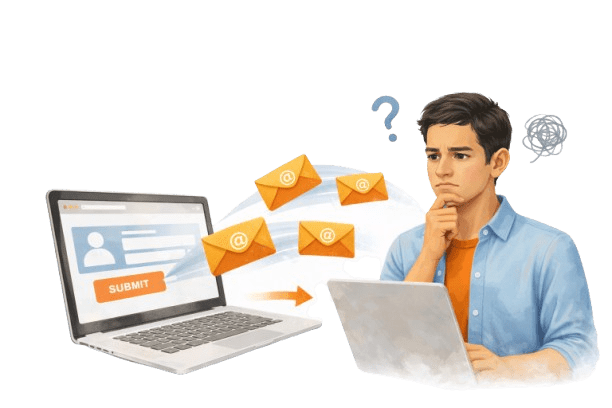
Imagine you visit a website and suddenly start receiving emails from them without ever signing up.
Annoying, right?
Permission vs Spam Analogy

Now imagine another brand offers you a free eBook or discount, and you choose to enter your email.
That’s the power of Opt-in —
When users give permission, they are more likely to trust, open, and engage.

What is Opt-in?
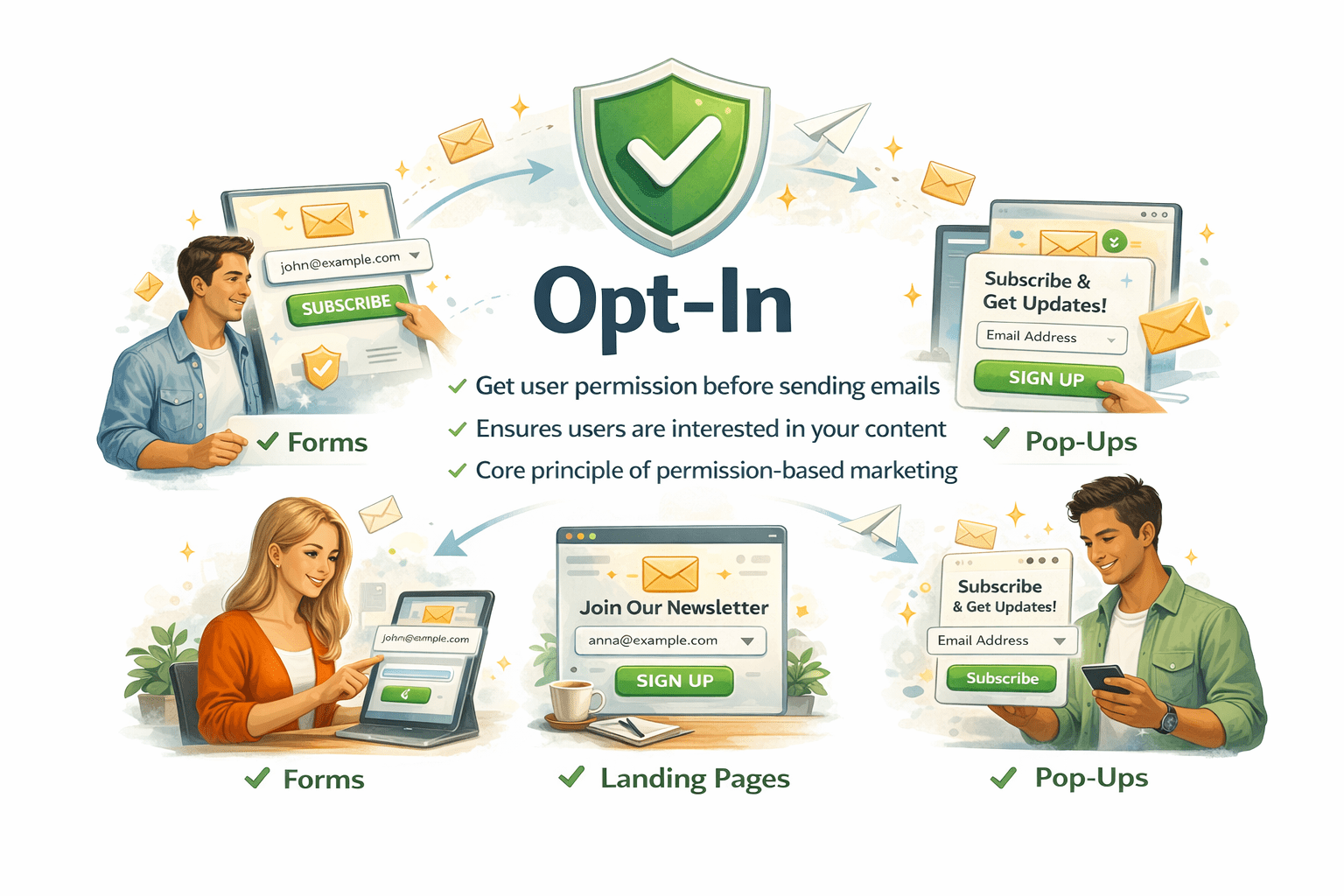
Opt-in means getting user permission before sending emails
It ensures users are interested in your content
It is a core principle of permission-based marketing
Example:

"Enter your email to get a free stock market guide"
Users voluntarily provide their email through:
Types of Opt-in
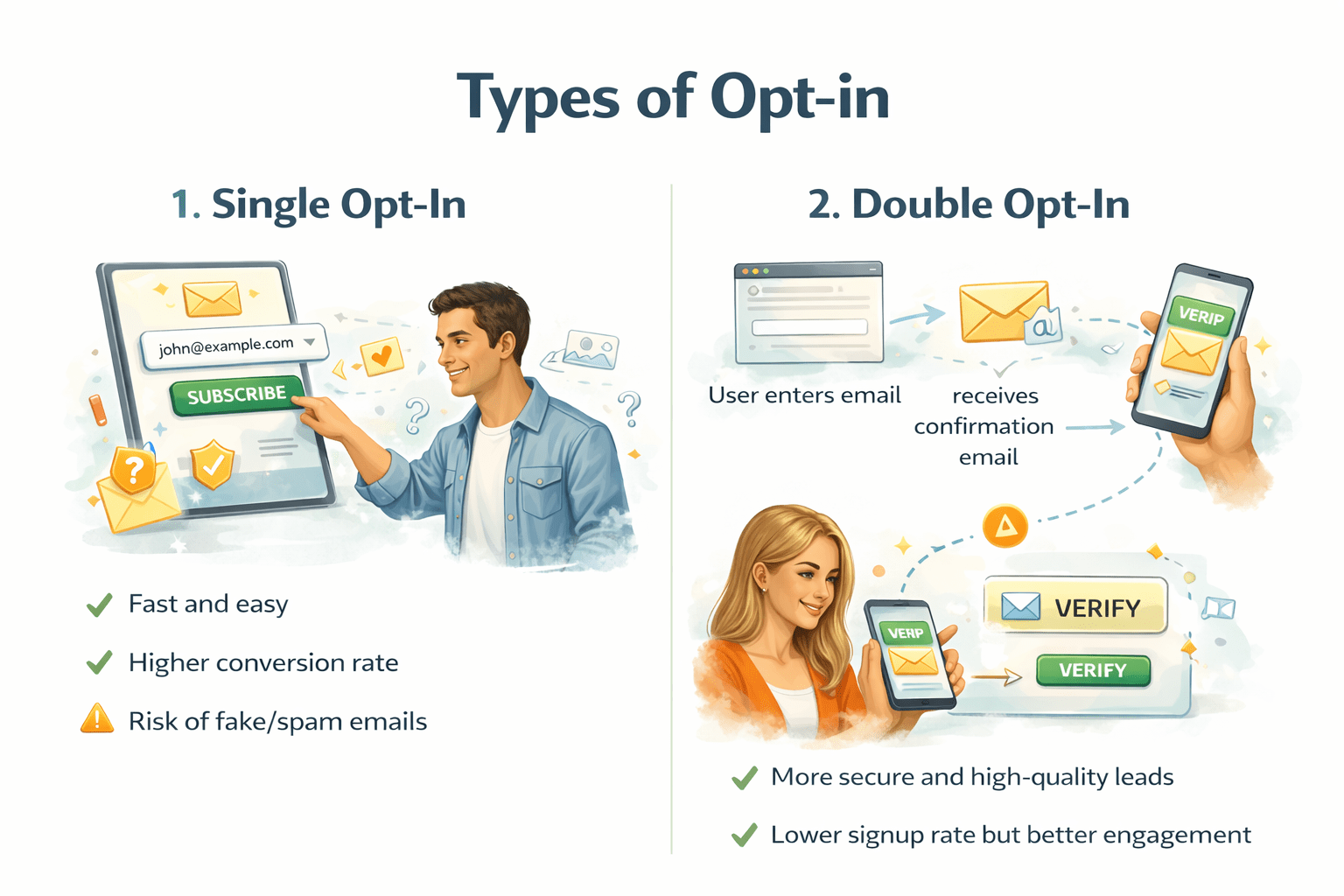
User enters email → directly added to list
Fast and easy
Higher conversion rate
Risk of fake/spam emails


User enters email → receives confirmation email → clicks verify
Fast and easy
Higher conversion rate

Why Opt-in is Important
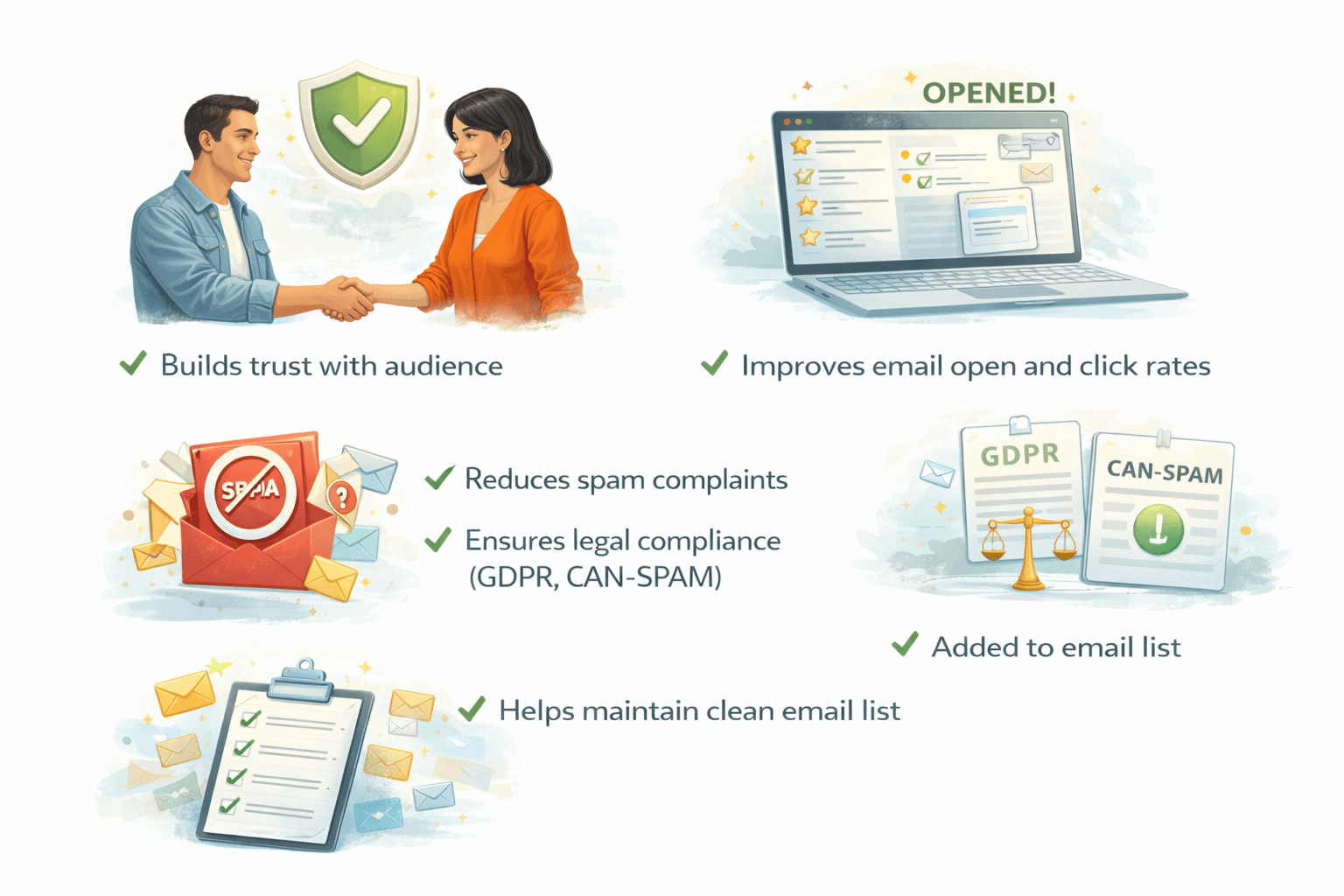
Builds trust with audience

Improves email open and click rates
Reduces spam complaints
Ensures legal compliance (GDPR, CAN-SPAM)
Helps maintain clean email list
How Opt-in Works
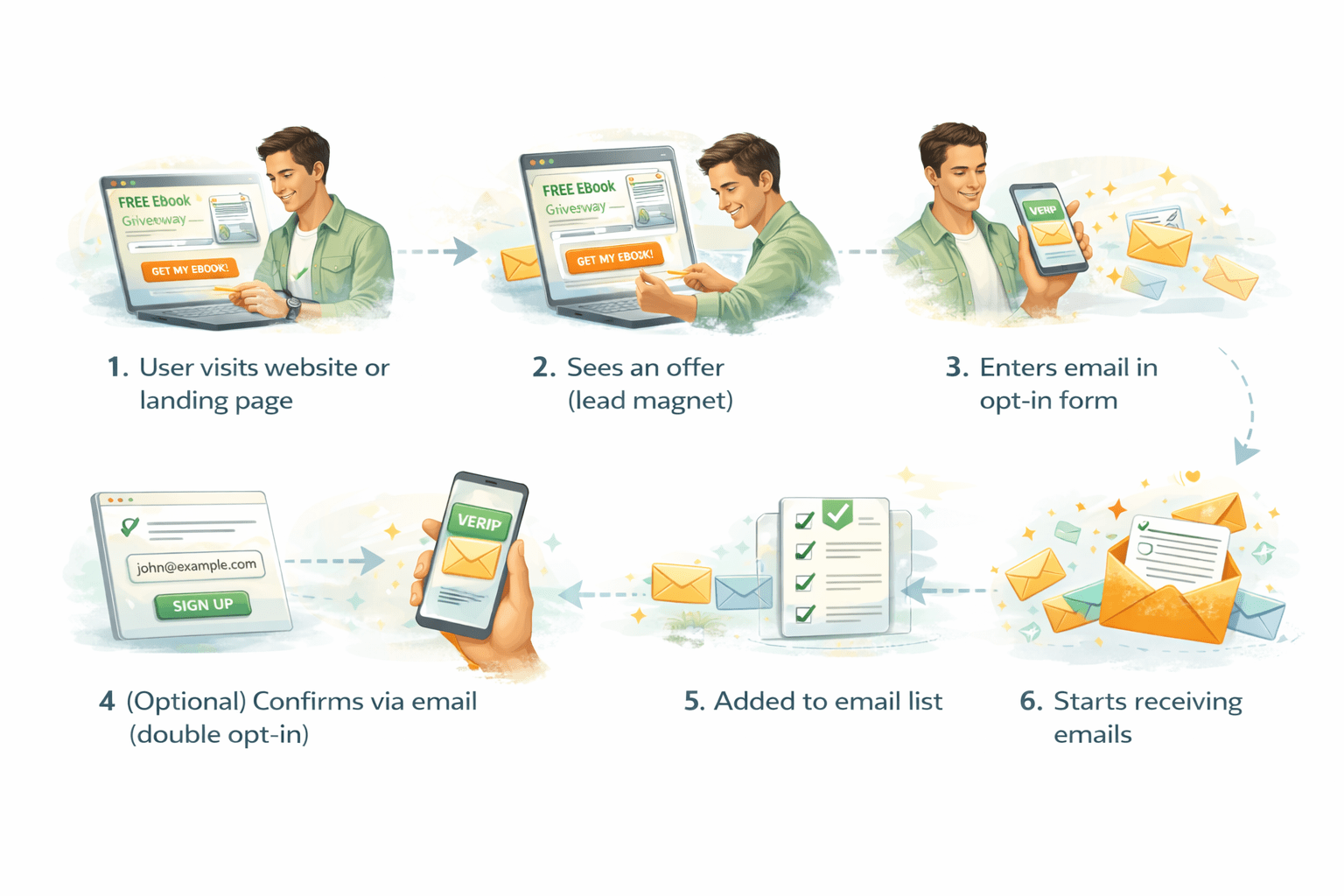
Core Concepts (.....Slide N-3)
Summary
5
Good opt-in forms improve conversions
4
Helps in legal compliance
3
Works through forms and lead magnets
2
Two types: Single vs Double Opt-in
1
Opt-in means user permission for emails
Quiz
Which type of opt-in requires email confirmation?
A. Single Opt-in
B. Bulk Opt-in
C. Double Opt-in
D. Manual Opt-in

Quiz-Answer
Which type of opt-in requires email confirmation?
A. Single Opt-in
B. Bulk Opt-in
C. Double Opt-in
D. Manual Opt-in