
Introduction to Economics and Game Theory

Week 3 Wednesday


Dawid Walentek

Lab Seminar

Lunch

Summary

What have we done so far?

Microeconomics

  • Principles of economics
  • Market structure
  • Elasticity
  • Market efficiency and welfare
  • Public sector economics
  • Inefficient market allocation

Macroeconomics

  • The data for Macroeconomics
  • Measuring national income
  • The real economy – production, growth and unemployment
  • Interest rates, money and prices
  • Short run economic fluctuations

Game Theory

  • Static games of complete information
  • Dynamic games of complete information

Social Science Research

Social Science

What defines scientific research:

  • The goal is inference (descriptive or causal)
  • The procedures are public
  • The conclusions are uncertain
  • The content is method 

Research design has four components:

  • Research question
  • The theory
  • The data
  • The use of data

Complexity and uniqness

  • Complexity – whether we study many phenomena or few or even one the study will be improved if we collect data on as many observable implications of our theory as possible.
  • Uniqueness – inherent uniqueness is a part of the human condition, but it does not distinguish situations suitable to scientific generalisations from those about which generalisations are not possible.

Descriptive inference 

In descriptive statistics we seek to understand the degree to which our observations reflect either typical phenomena or outliers.  If we make no effort to extract the systematic features of a subject the lessons of history will be lost, and we will learn nothing about what aspect of our subject are likely to persist or to be relevant to future events.

Further reading on research design in social science

  • King, G., Keohane, R., and Verba, S. (1994). Designing Social Inquiry. Princeton: Princeton University Press.
  • George, A., and Bennett, A. (2005). Case Studies and Theory Development in the Social Science. Cambridge: MIT Press.

Interstate conflict

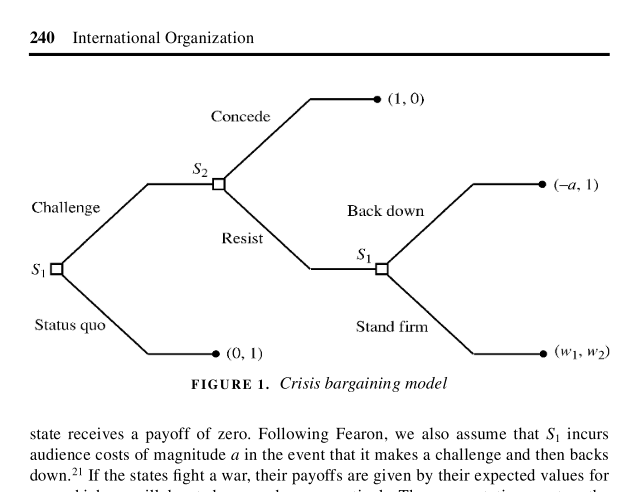
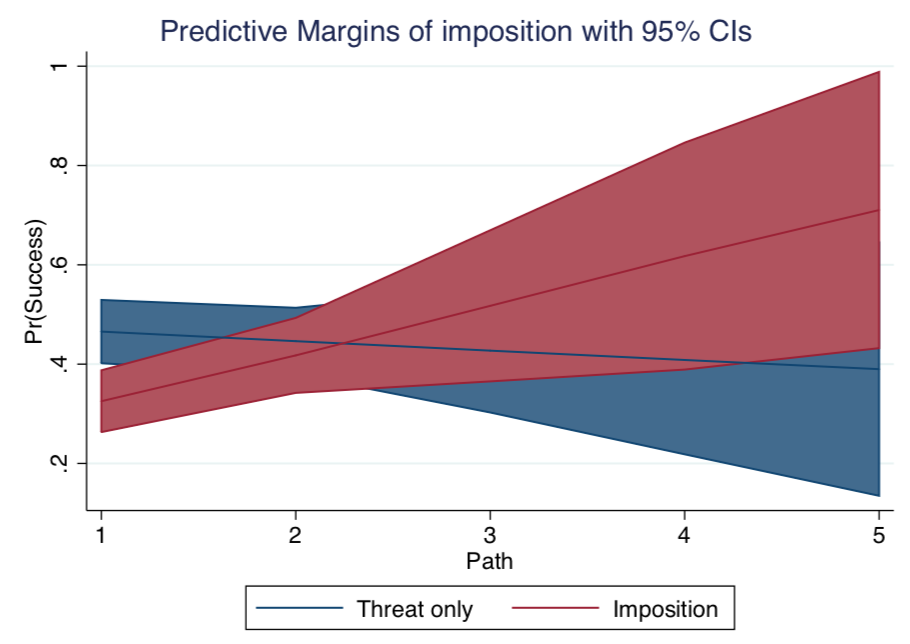
When are threats successful?

Sometimes countries go to war or introduce economic sanctions. In other cases a threat is enough to change the behaviour of the target state. Why?

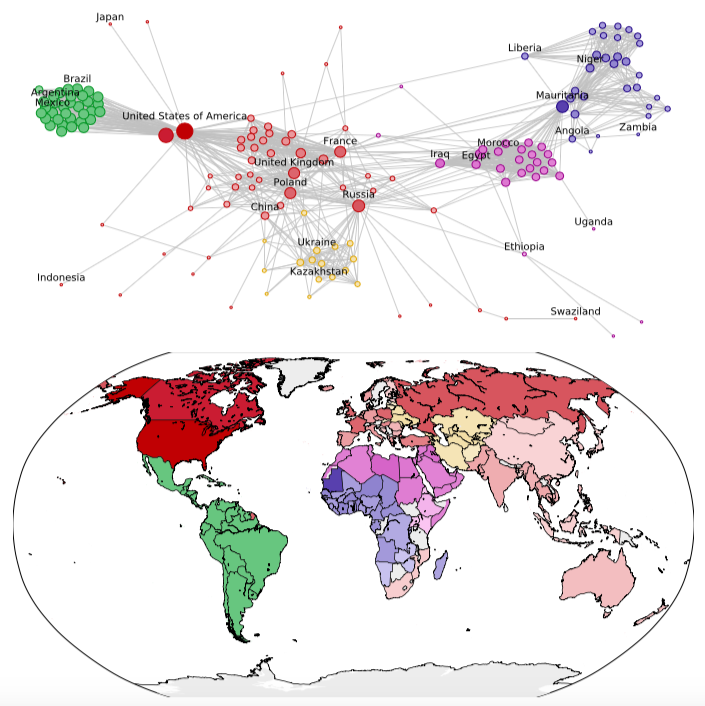
Diplomatic network

Effect of diplomatic ties

Education

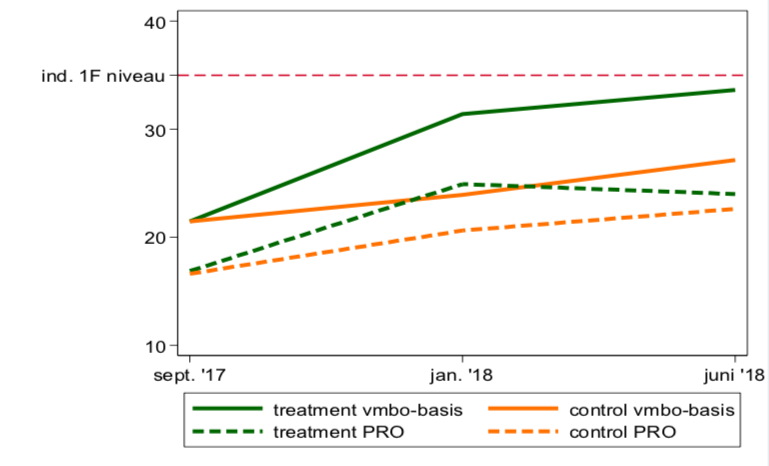
High-dossage tutoring

A programme developed in the US (Chicago) and recently introduced in Amsterdam. The objective is to improve the performance of students in low-performing schools.

Findings

Background

  • Research design of a policy intervention
  • Data collection and cleaning
  • Data analysis
  • Building relation with schools
  • Sharing the results
  • Publication

Thank you and see you tomorrow!

Introduction to Economics and Game Theory #W3D3

By Dawid Walentek

Introduction to Economics and Game Theory #W3D3

  • 36