West Quebec Literacy Counicl - Oct 24
To understand what its doing you ought to know where it comes from and why its being baked into everything whether we like it or not.
{{author}} · Carleton University -2026
AI and History, eh?


Three big moments
I.
II.
III.
Neural Network
Warren Sturgis McCulloch and Walter Pitts describe a neural network mathematically, 1943
Perceptron
Frank Rosenblatt builds the Mark 1 Perceptron implements a neural network image classifier in 1958
Backpropagation becomes cheap
In the 2010s, the emergence of GPUs and ways to program them made it cheap to figure out how wrong a neural network was and to automatically change the weights to make it more right.
and then a whole bunch of data
{{#}} / {{total}}


Artificial neural networks are extremely good at classification or categorization, if you have enough data.
And then someone said, hey, maybe they'd be good at translation....?
Researchers working on machine translation would take parallel texts and try to classify words/sentences/ideas in one language by reference to another (like pictures of cats and the textual label 'cat'). Another approach was to mask out key words and then predict the missing word based on the words around it.
My dog has fleas.
Then they figured out a way to improve the results through some very clever math.
The consequence of that improvement: hey, if we don't tell it to stop, it will actually generate new text that follows along!
And just like with the images, more texts led to better results.

DH: analyzes an image to say this is a 'red figure kantharos'
GenAI says: here are the conventions that align with the idea of a kantharos rendered as pixel data

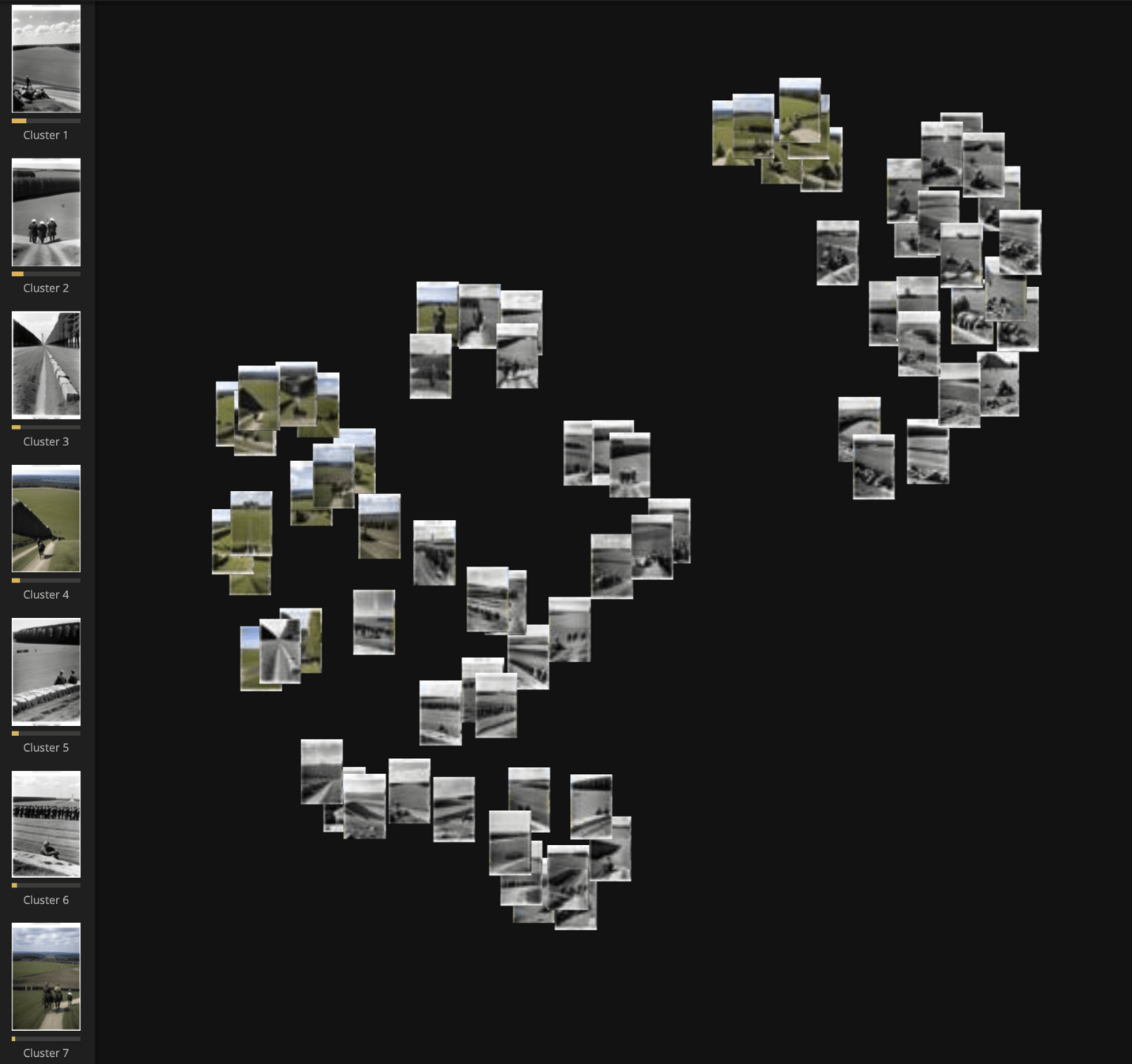
Every generated text, every generated image comes from the averages of the training data
ChatGPT & The Eliza Effect



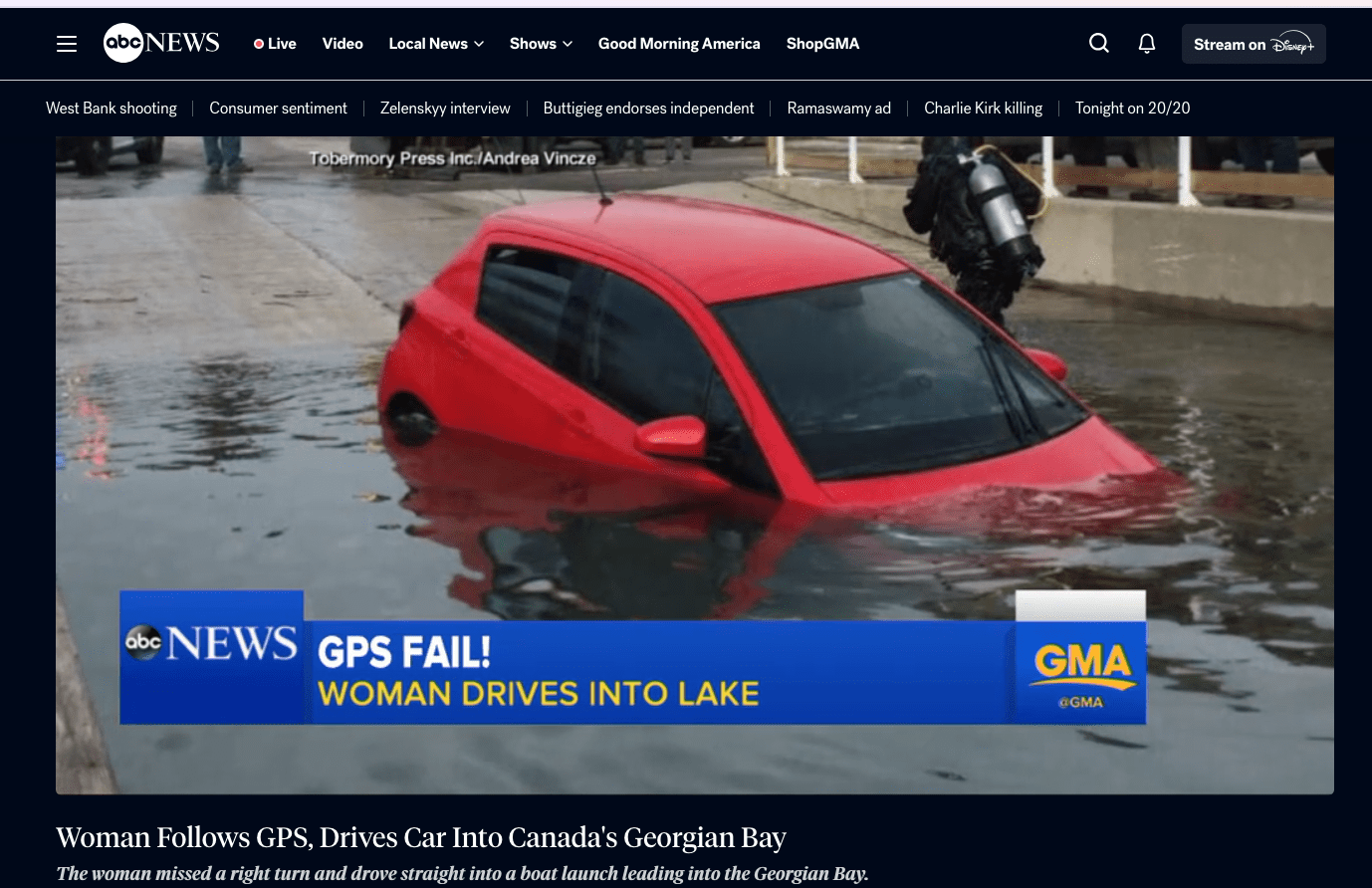
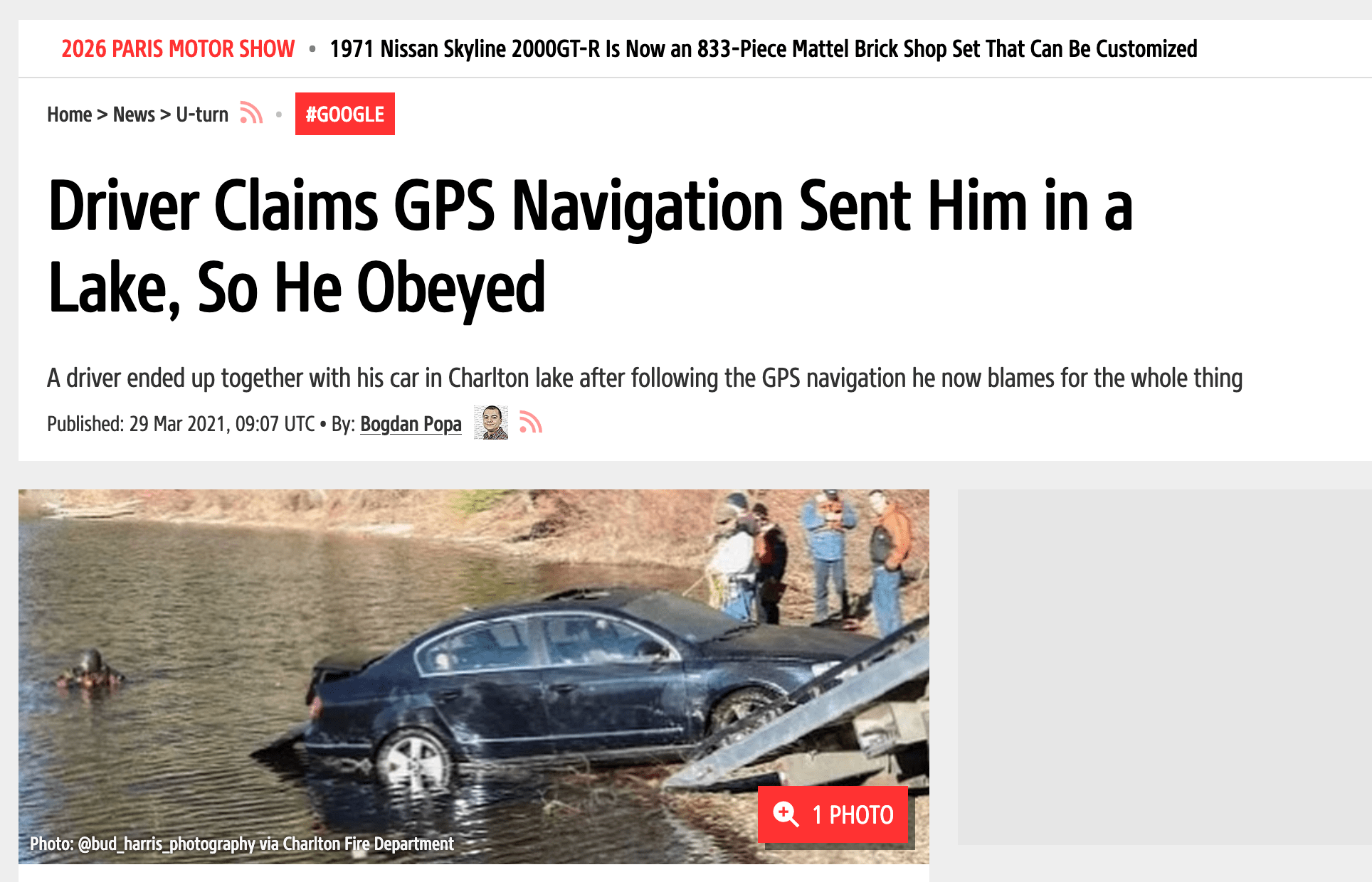
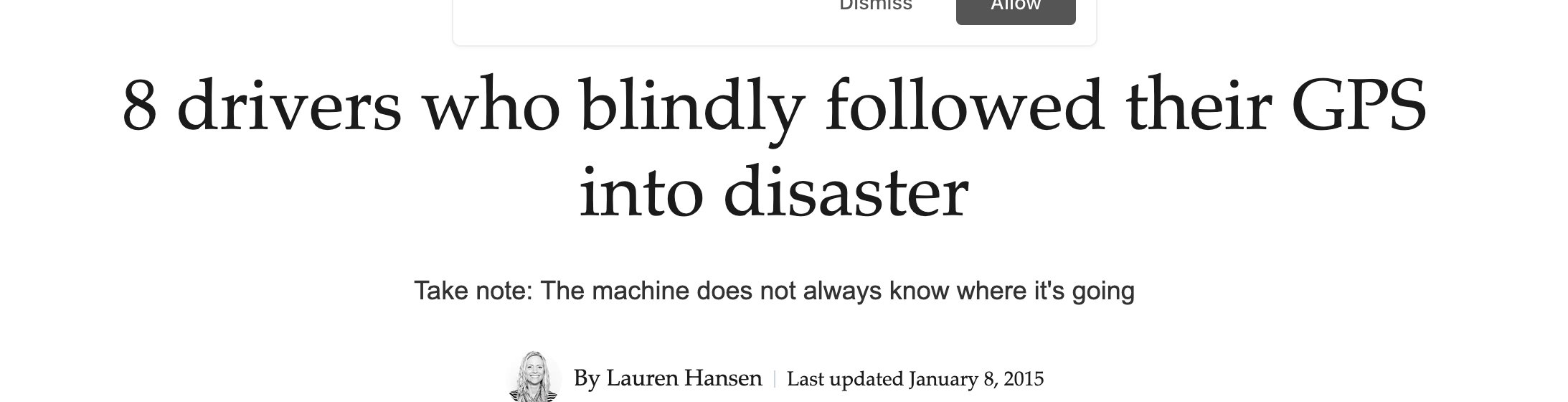
- Techno-solutionism
- Eschatological beliefs
- "AGI will save us"
- Religious fervor

With a dose of eugenics too.


sounds like religion to me.
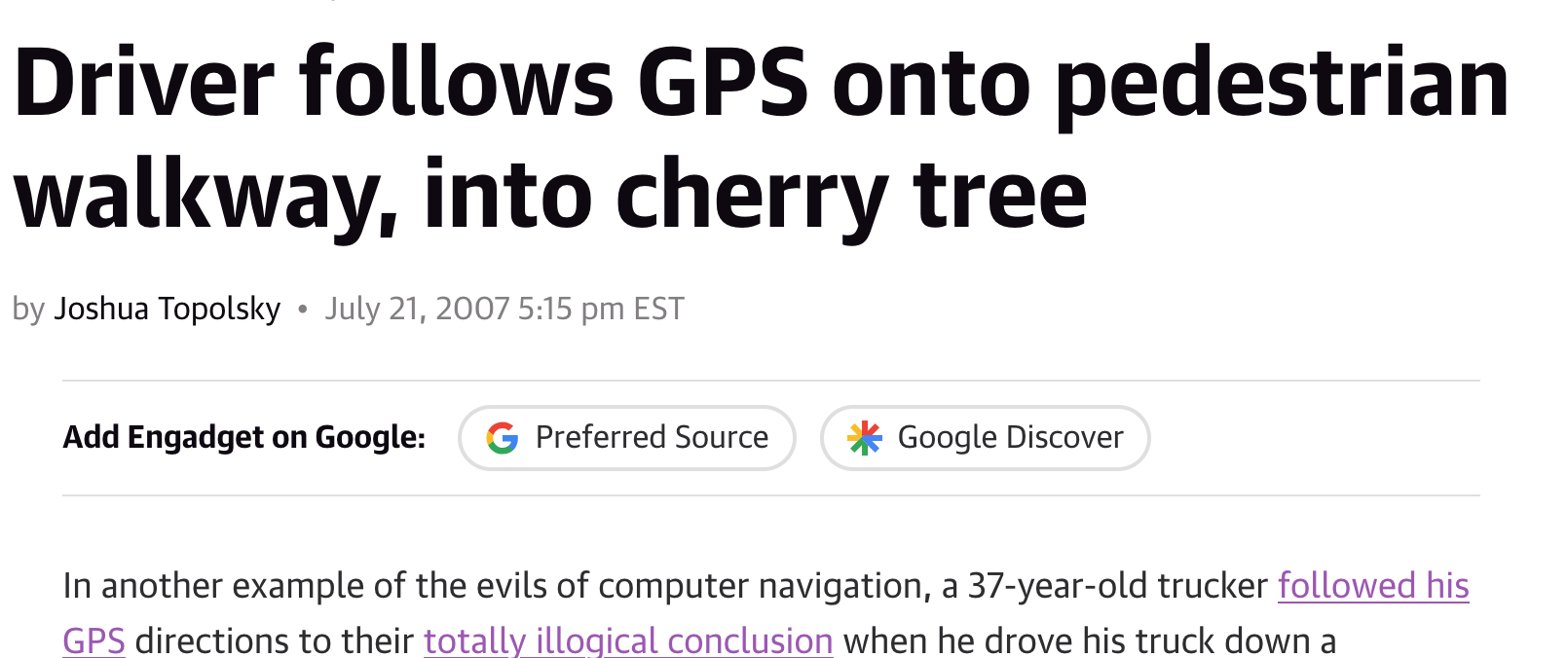
We tend to follow what a machine gives us, because we've been told for years that a machine follows its instructions, dispassionately
We tend to find 'intelligence' on the opposite side of written text, whether or not we can see the writer
Our universities have become over the years more and more focused on 'credentials' over 'learning', as if a pile of essays was the same thing as an education.
A *lot* of money has been spent on making ever better text that seems like it should be right, but only if you think the point of a painting is to have ink on canvas, or of weightlifting to have weights moved from a to b and back again.
The AI industry misses the point of what it means to be human.
“The most important thing about the gadget isn’t what it does, it’s who it does it for and who it does it to.”
COREY DOCTOROW
Generative AI, as pushed by the big companies, doesn't have to be good or right. It just has to look like the right answer. They are betting that the cost of being wrong isn't as high as the cost of hiring someone to do it right in the first place.
And that's why it's pushed into every conceivable place. They've spent too much money on that bet.
The Luddites knew the real target wasn’t the looms, it was the factory owners.
So what're we to do?
Well, here's what I'm doing.
In my classes, we figure out where the lines are. Where does pattern completion augment our understanding? Where does it replace understanding?
We write to figure out what we think - by hand. Not because I'm a jerk, but because it activates entirely different parts of the brain.
We put our energy into the process, not the product.
Thank
you.
shawn.graham@carleton.ca
WEB
shawngraham.github.io