Where Are Sport Apparels Most Popular Around the World?
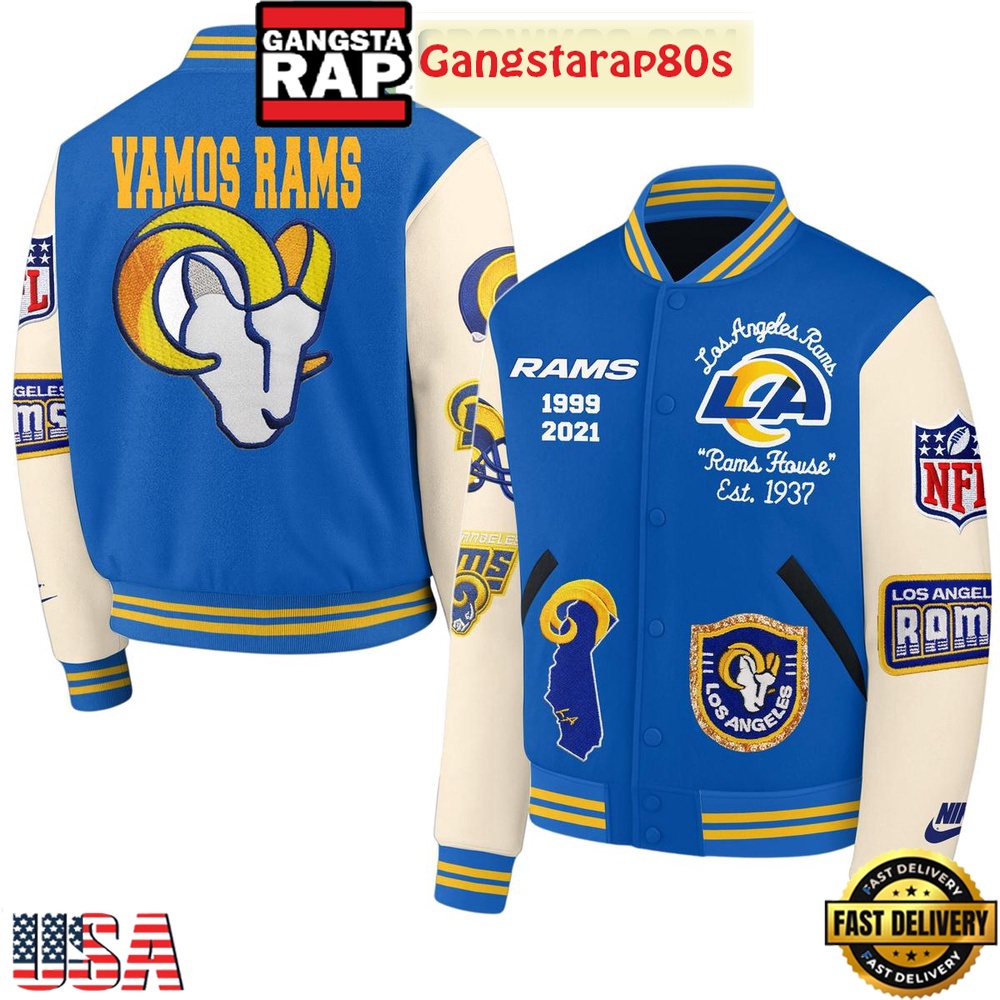
With over ten years as a hands-on SEO specialist and a content creator deeply immersed in American football, especially the NFL, I have learned that Where Are Sport Apparels Most Popular Around the World? is not just a geographic question. It is a cultural one. Sport apparels do not become popular simply because people exercise. They thrive where identity, movement, aspiration, and community intersect. Around the world, sport apparels reflect how societies view health, competition, self-expression, and belonging. From NFL cities in the United States to street football courts in Europe and fast-growing fitness cultures in Asia, popularity follows human behavior more than borders.
Understanding where sport apparels dominate helps brands, athletes, and consumers see the global rhythm of performance wear and why certain regions shape trends for the rest of the world.
North America: The Powerhouse of Performance and Identity
North America, particularly the United States, remains the strongest and most influential market for sport apparels in the world. This popularity is not accidental. It is built on decades of professional sports culture, deep fan loyalty, and a lifestyle that merges athletics with daily life. In cities shaped by the NFL, sport apparels are worn not only in training facilities but also in schools, offices, airports, and neighborhoods.
Here, sport apparel is both functional gear and emotional armor. Jerseys, hoodies, compression wear, and training outfits are symbols of loyalty and self-discipline. The market thrives year-round, driven by sports seasons, fitness trends, and cultural identity.
The United States and NFL-Centered Culture
NFL fandom fuels massive demand. From preseason to playoffs, fans invest emotionally and financially in sport apparels. Training gear mirrors professional standards, influencing how everyday athletes dress and train.
Canada and Year-Round Active Lifestyles
In Canada, sport apparels support outdoor activity in varied climates. Layering systems, performance jackets, and thermal base layers dominate popularity due to seasonal demands.
Europe: Tradition, Street Culture, and Sport Elegance
Europe represents a different but equally powerful form of sport apparel popularity. Here, sport apparels blend tradition, fashion, and performance. Football, running, cycling, and fitness culture drive demand across both Western and Eastern Europe.
Sport apparels in Europe are often subtle, refined, and deeply tied to club identity. They move effortlessly from training grounds to cafés, reflecting a lifestyle where sport and daily life are inseparable.
👉 Shop Now: Next-Level Sport Gear for Serious Athletes
Western Europe and Football Heritage
Countries like the United Kingdom, Germany, Spain, and France treat sport apparel as everyday wear. Club jerseys, track jackets, and training tops are worn with pride far beyond stadiums.
Eastern Europe and Performance-Driven Growth
Eastern Europe shows growing popularity driven by strength training, combat sports, and outdoor fitness. Durability and function dominate purchasing decisions.
Asia-Pacific: Explosive Growth and Digital Influence
Asia-Pacific is the fastest-growing region for sport apparels. Popularity here is fueled by urbanization, rising health awareness, and powerful digital ecosystems. Sport apparels symbolize progress, self-care, and global connection.
Younger generations embrace performance wear as lifestyle identity, influenced by social media, global sports leagues, and fitness trends.
East Asia and Tech-Driven Fitness Culture
Japan and South Korea lead with innovation-focused sport apparels. Clean design, lightweight fabrics, and multifunctionality define popularity.
Southeast Asia and Aspirational Athleisure
In countries like Vietnam, Thailand, and Indonesia, sport apparels represent aspiration and modern identity. Athleisure dominates daily wear.
Australia and New Zealand: Outdoor Performance Nations
Sport apparels are extremely popular in Australia and New Zealand due to outdoor-centric lifestyles. Running, rugby, surfing, and gym culture create constant demand.
Here, sport apparels must handle heat, movement, and durability, making performance features essential rather than optional.
Climate-Driven Apparel Choices
Breathability, UV protection, and sweat management drive purchasing decisions.
Community and Active Living
Sport apparels reflect community belonging, not just athletic performance.
Latin America: Passion, Movement, and Expression
In Latin America, sport apparels are deeply emotional. Football culture drives popularity across all age groups. Apparel becomes an extension of national pride and personal expression.
Sport apparels here are colorful, expressive, and worn daily, regardless of training schedules.
Brazil and Football-Centered Identity
Football jerseys and training wear are cultural staples worn in all aspects of life.
Urban Fitness Growth
Cities see rising demand for gym wear and functional athleisure.
Middle East: Rapid Growth and Lifestyle Transition
Sport apparels are growing rapidly in the Middle East as fitness culture expands. Gyms, running clubs, and wellness initiatives fuel popularity.
Sport apparels symbolize modernity, health, and global connection.
Performance Meets Modesty
Designs adapt to cultural norms while maintaining performance standards.
Luxury and Premium Demand
High-quality sport apparels perform strongly in urban centers.
Africa: Emerging Markets and Youth Energy
Africa represents emerging popularity driven by youth demographics and sports passion. Football dominates, creating strong emotional demand for sport apparels.
Urban Centers and Street Sport Culture
Sport apparels blend performance with street identity.
Affordability and Durability Focus
Value-driven purchases dominate, but loyalty runs deep.
Global Cities as Sport Apparel Trendsetters
Certain cities transcend national trends.
Digital Globalization and Borderless Popularity
E-commerce and social media have removed geographic limits. Sport apparels become popular globally through digital storytelling and influencer culture.
Climate, Infrastructure, and Accessibility Factors
Popularity also depends on infrastructure.
Urban Fitness Infrastructure
Cities with parks, gyms, and running culture drive apparel demand.
Climate Adaptability
Regions with varied climates need versatile performance wear.
So, where are sport apparels most popular around the world? They are most popular wherever people move with purpose, express identity through action, and see their bodies as part of their story. From NFL cities in North America to football streets in Europe, tech-driven gyms in Asia, and outdoor cultures in Oceania, sport apparels thrive where movement matters. Popularity is not defined by geography alone, but by how deeply sport is woven into daily life. And as long as people continue to move, compete, and belong, sport apparels will remain a global language spoken without words.