Yuan-Sen Ting (丁源森)
The Ohio State University
C3PO: Census of Co-moving Pairs of Stars
with Fan Liu, David Yong, Qinghui Sun, Jie Yu, Serat Saad Mahmud
Most of our understanding of stellar astrophysics is calibrated using binary stars
.... with which we calibrate masses
e.g., El-Badry, YST, Rix+, 2018
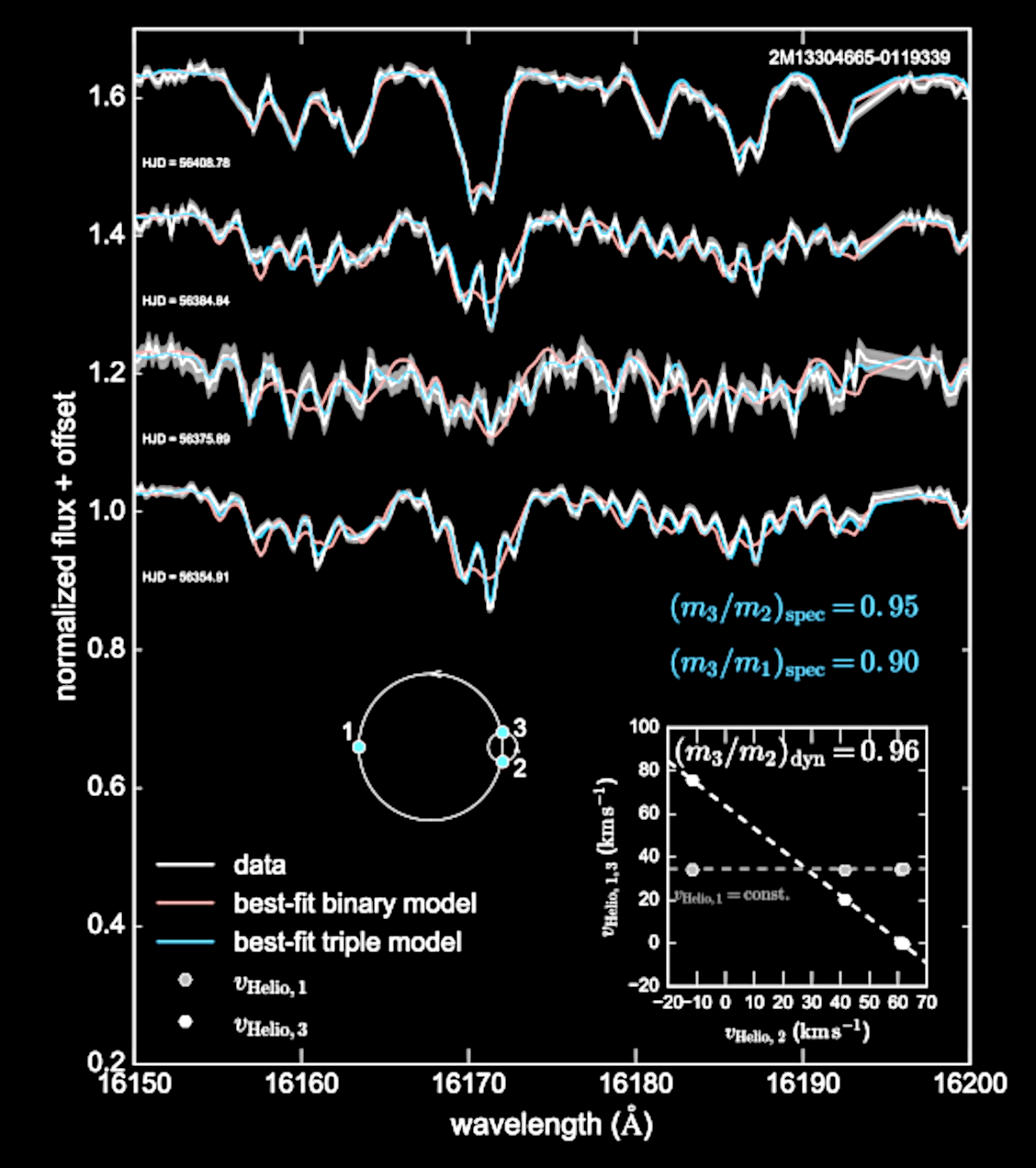
with APOGEE spectra
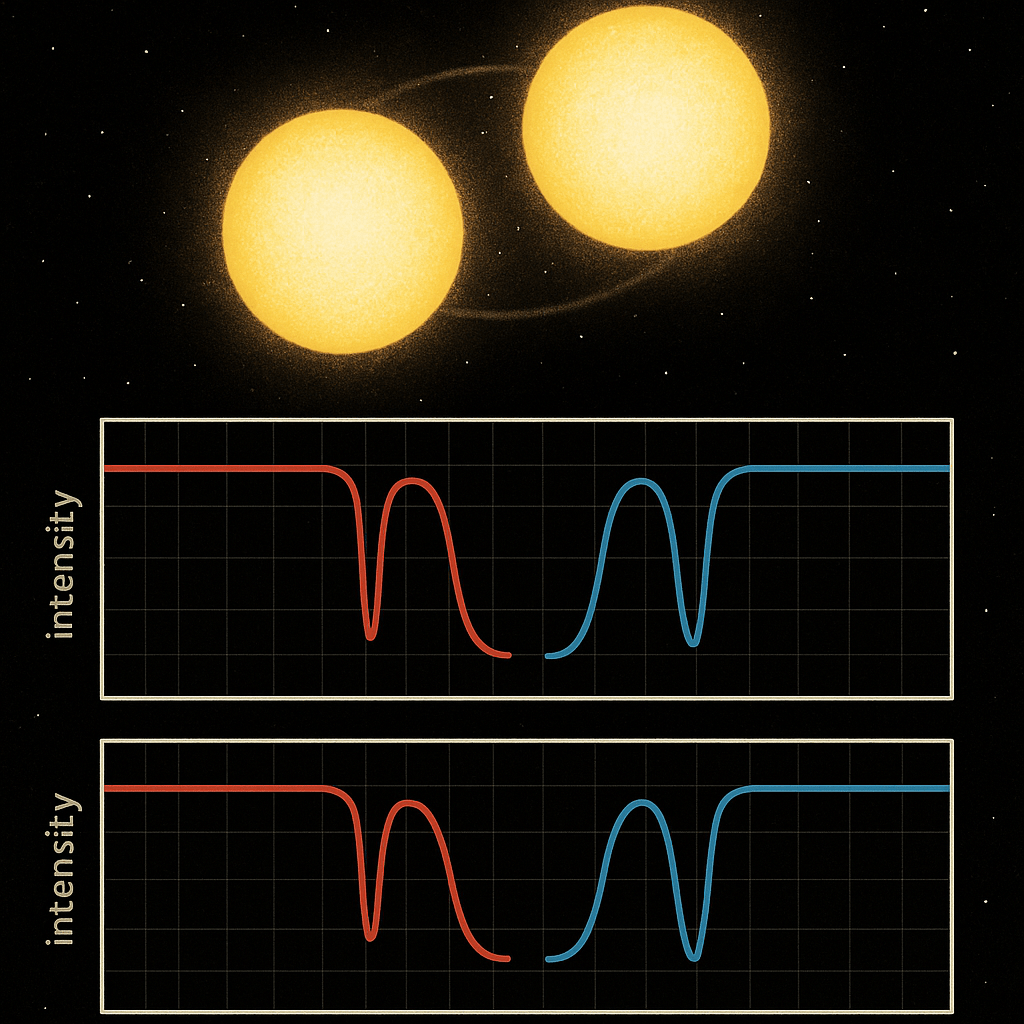
Hwang, YST+ 2024
with Gaia data
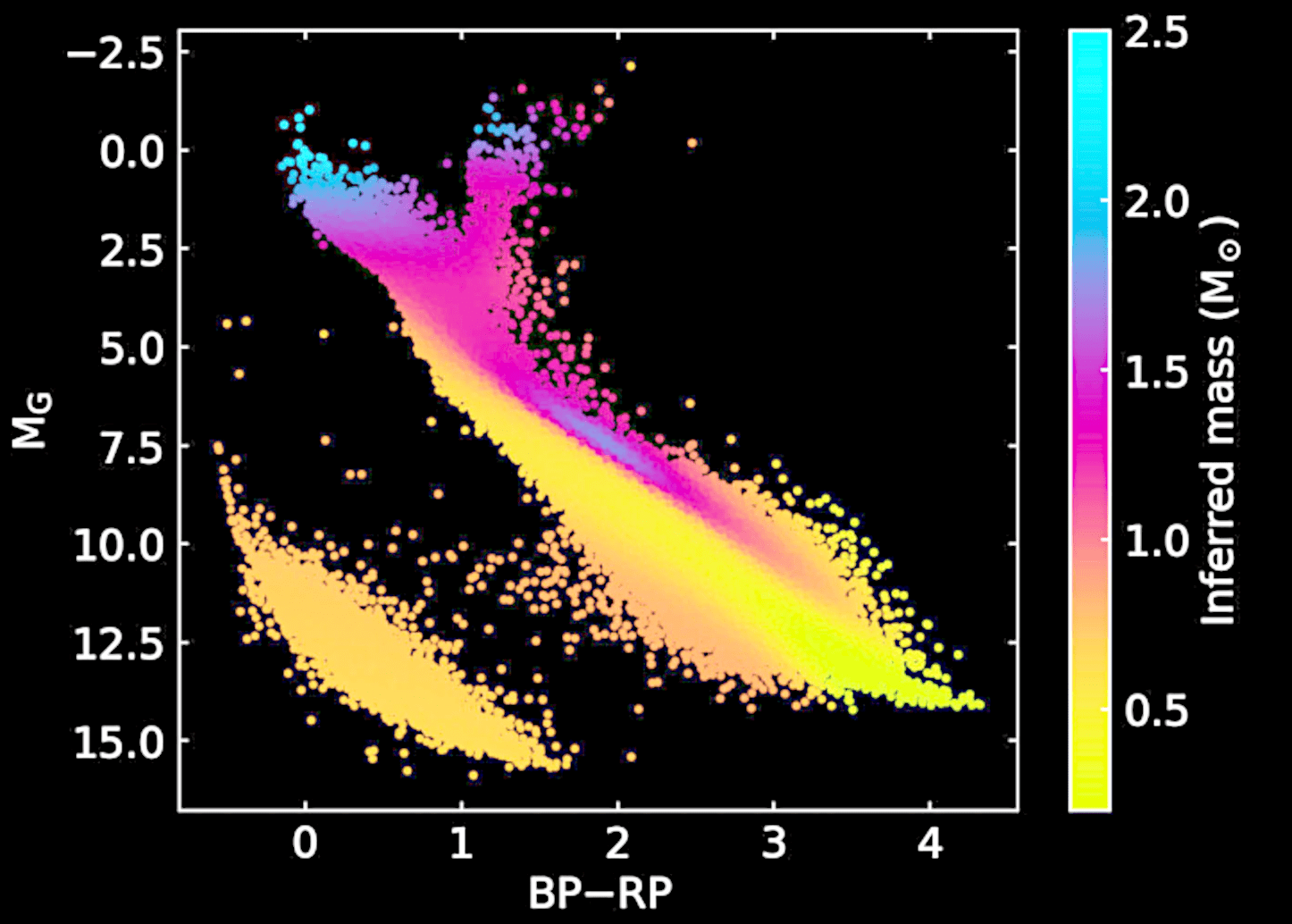
at population level
.... with which we calibrate masses
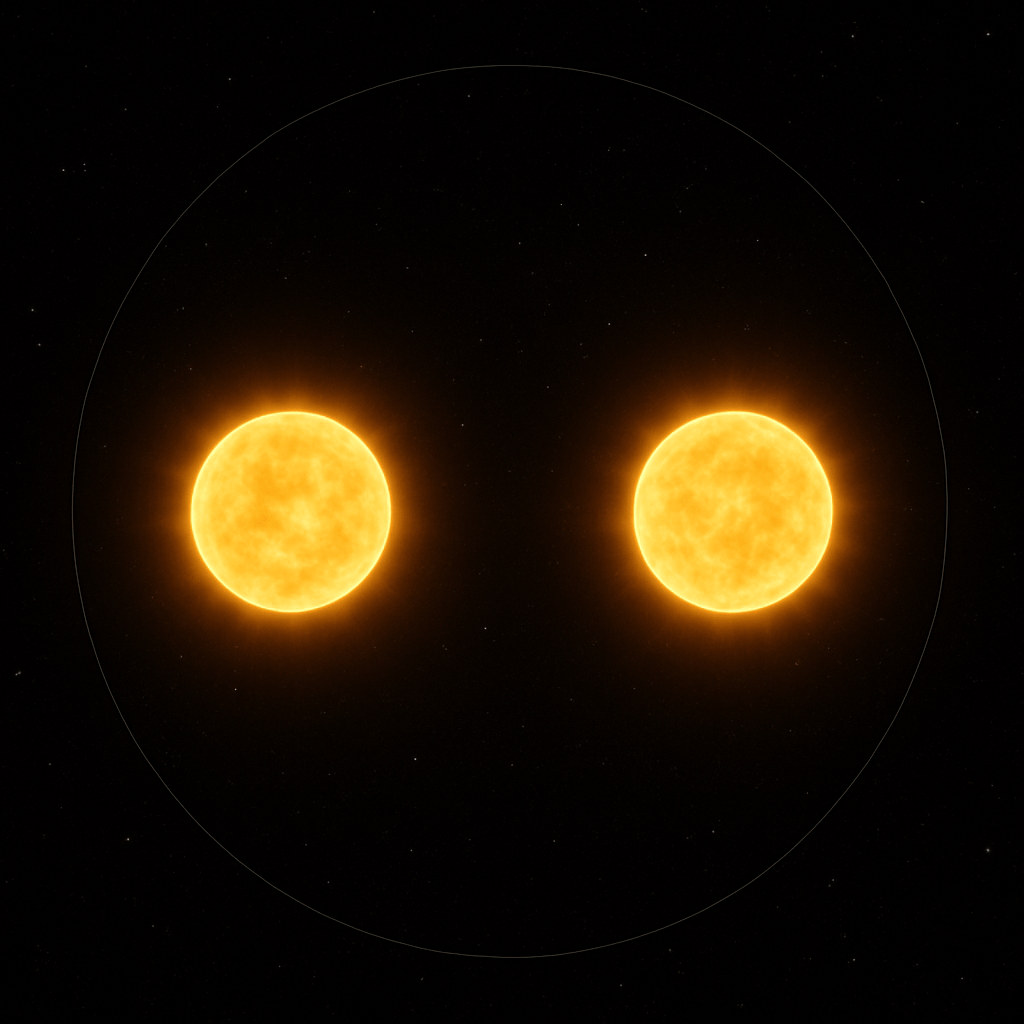
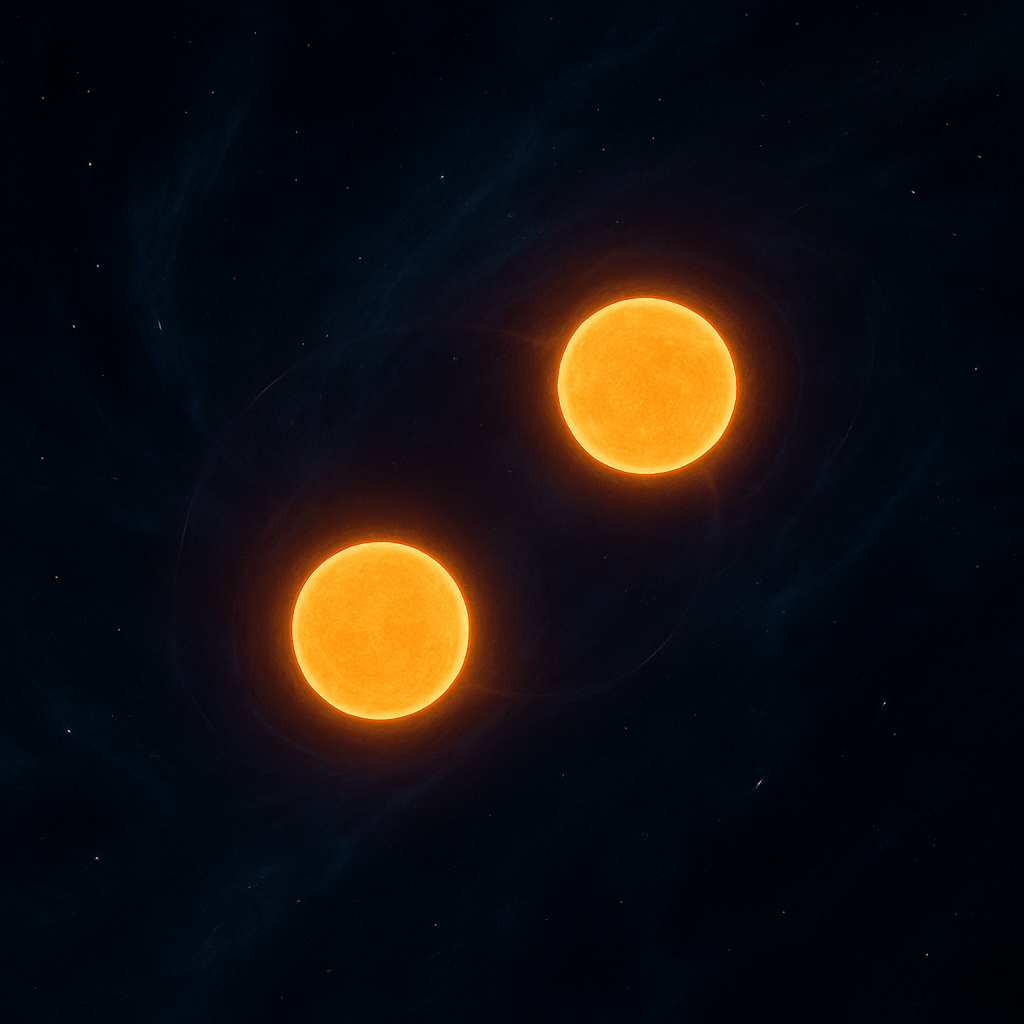
Binaries + stellar twins are amazing

Binaries = co-natal
Twins = supposedly identical
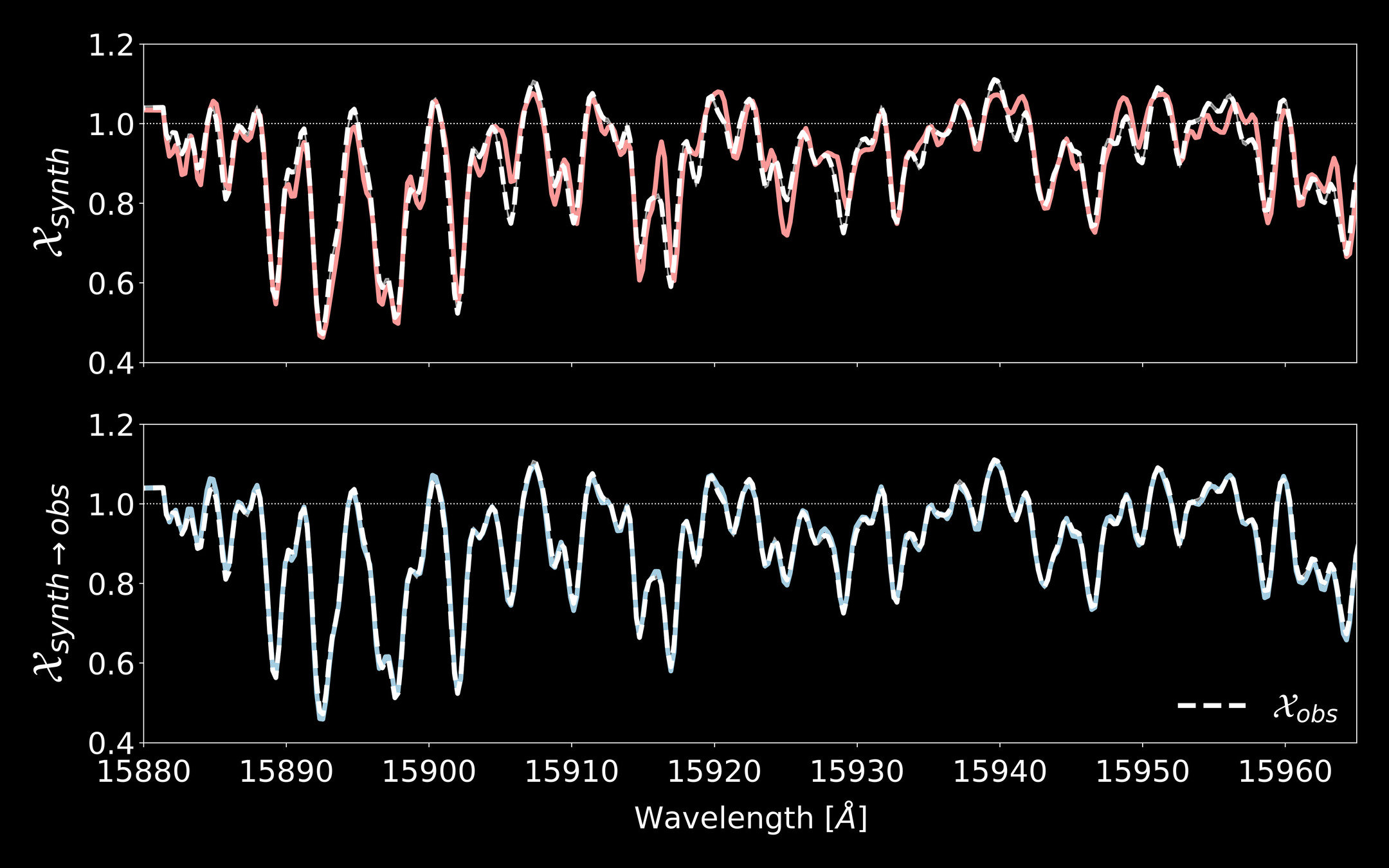
Measuring absolutely accurate properties of stars is challenging
0.5
15900
15940
Best-fit model
Normalized Spectrum
Observation
Wavelength [A]
Synthetic models are imperfect
15920
15960
15880
1.0
e.g., O'Briain, YST+ 2021
Systematic uncertainty ~ 0.1 dex
"Differential" relative abundance studies from twin stars
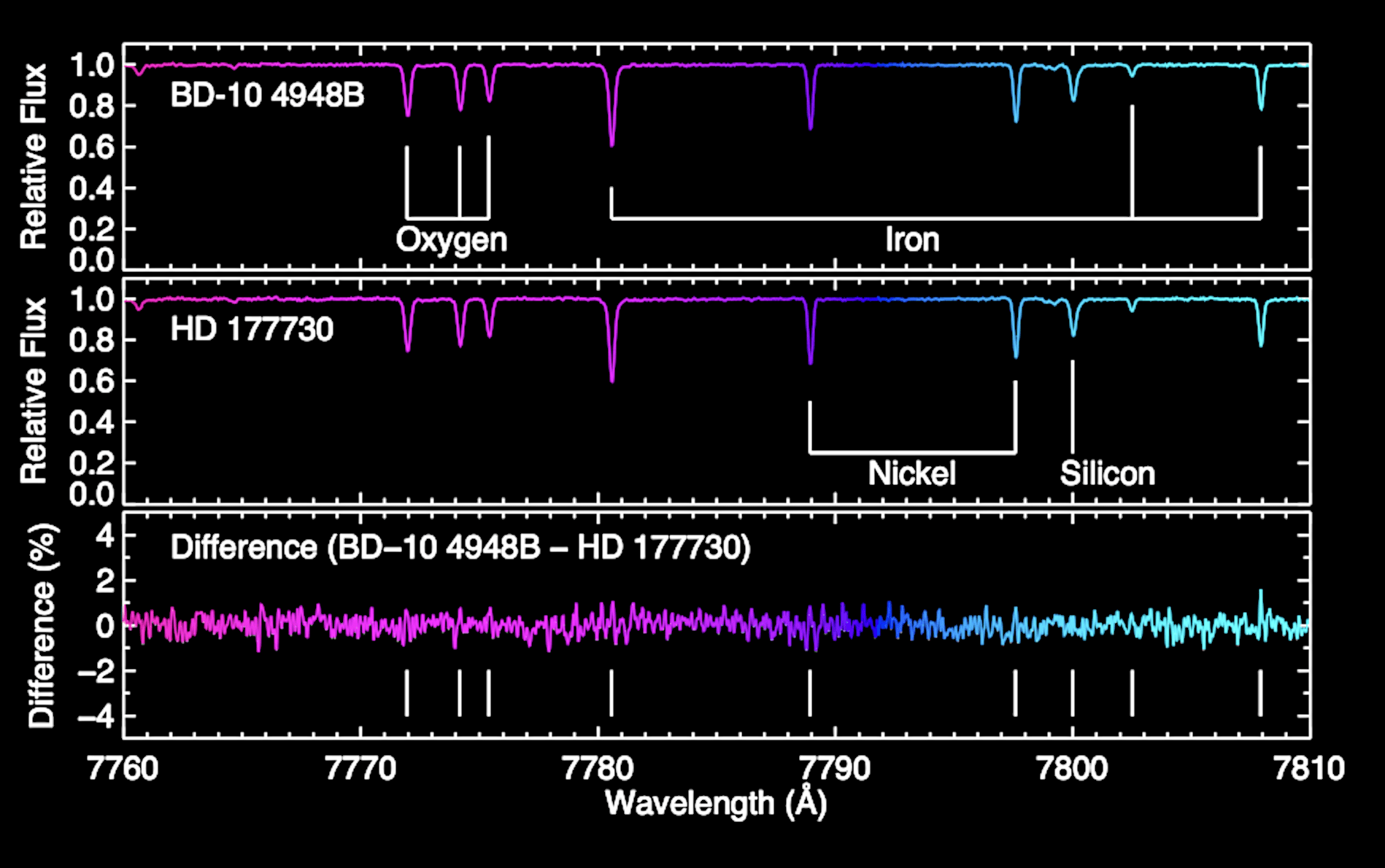
Relative precision
0.01-0.02 dex
at SNR ~200-300
If the Sun engulfs the Earth, the deviation in chemical composition will be on the order of 0.01 dex
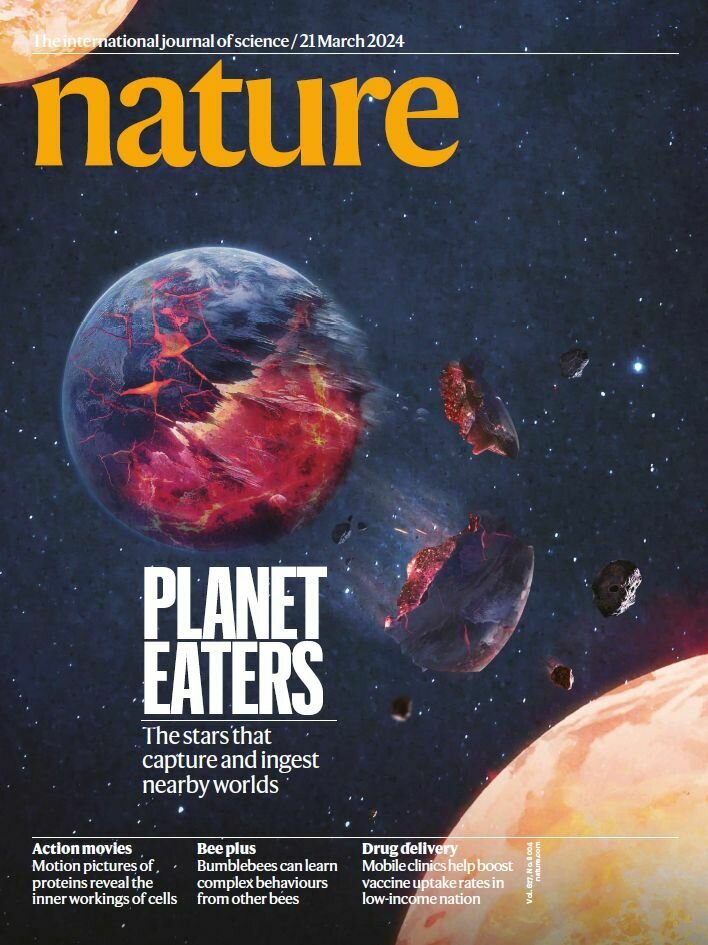
Liu, YST+ 2024
But nearby twin binaries suitable for
high-resolution follow-up with SNR > 200
are rare
Kamdar, Conroy, YST+ 2019a
High resolution simulations of the Milky Way
We just need co-natal stars, not necessarily binaries
Kamdar, Conroy, YST+ 2019b
Typically even "wide" binaries are about 0.01-0.1 pc in separation
Stars that are far apart but co-moving are co-natal
These are a lot more abundant than binaries
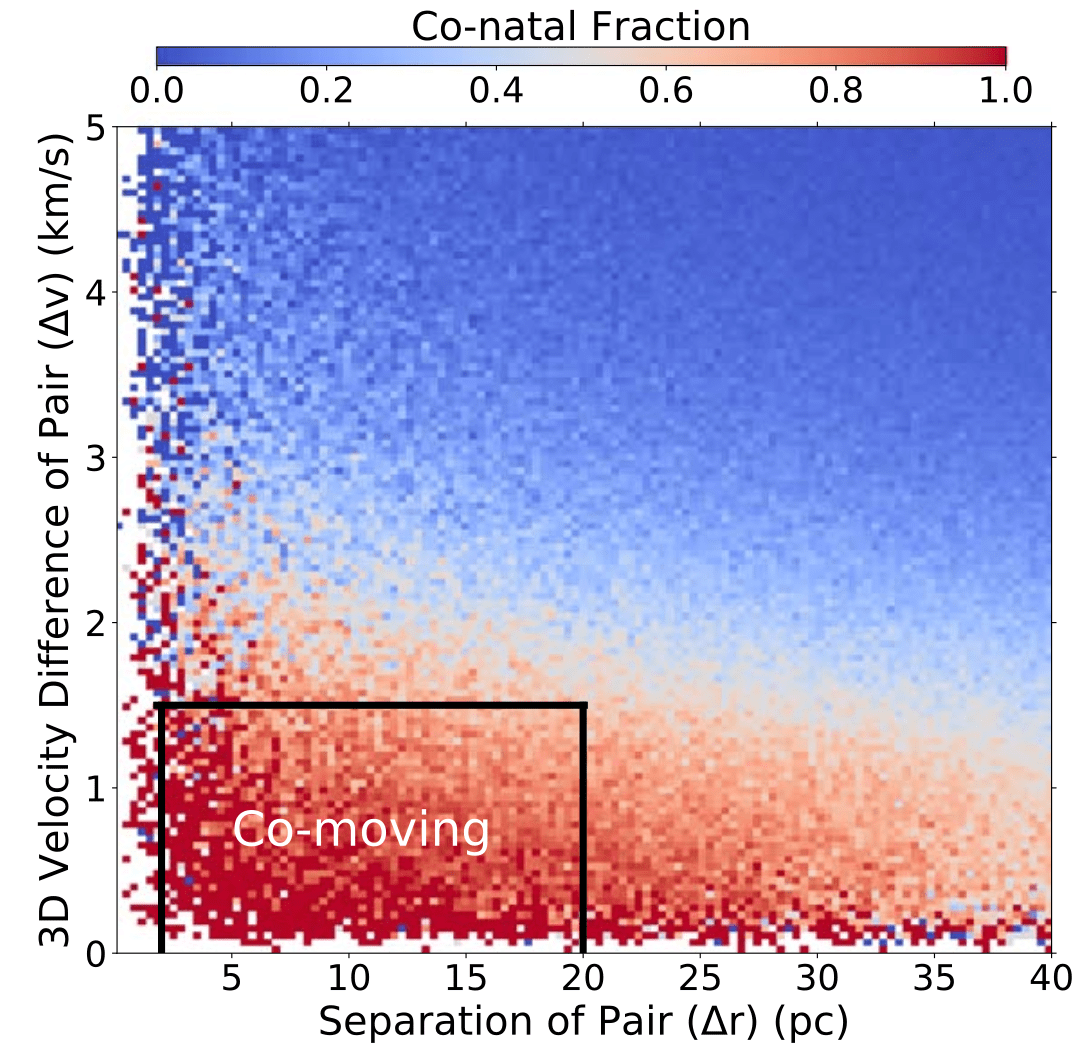
This is also confirmed by analyzing shuffled Gaia data
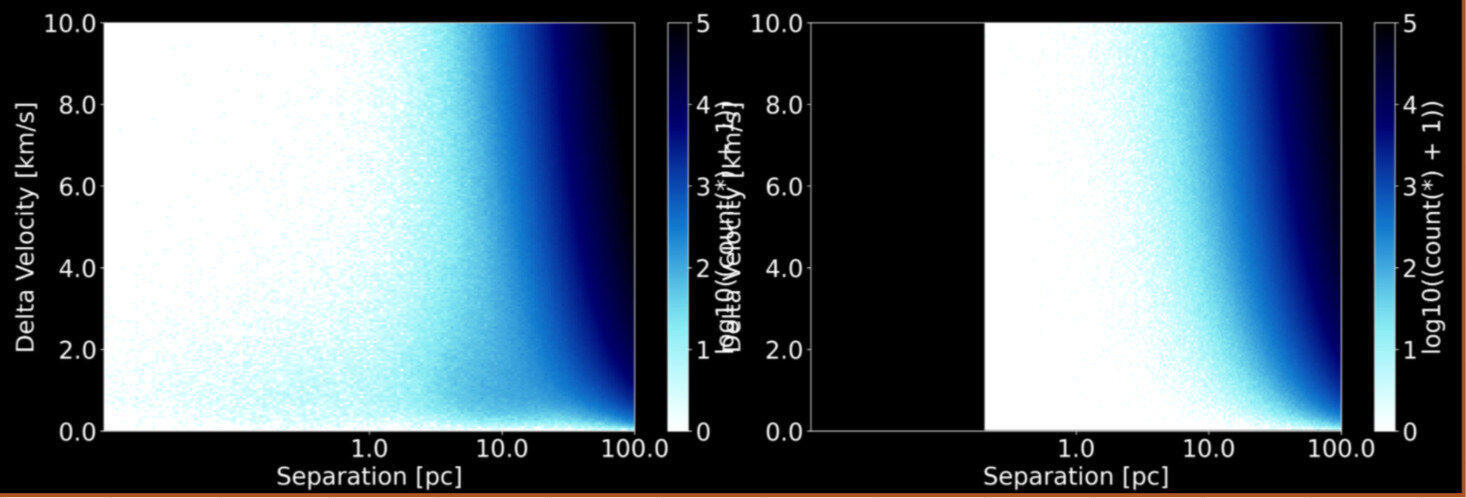
Spatial Separation [pc]
Log # Density
Velocity Separation [km/s]
Conatal
Chance alignment
C3PO: Census of Co-moving Pairs of Stars
~12 nights of Keck, Magellan and VLT combined

C3PO: Census of Co-moving Pairs of Stars
> 50% of all co-moving pairs identified by Gaia with G < 10 mags
125 pairs of stars (250 stars), SNR ~ 250, Resolution > 50,000
Stellar twins : delta color (BP-RP) < 0.15 mag
Precision - Teff ~ 15K, logg ~ 0.01 dex, metallicity [Fe/H] ~ 0.01 dex
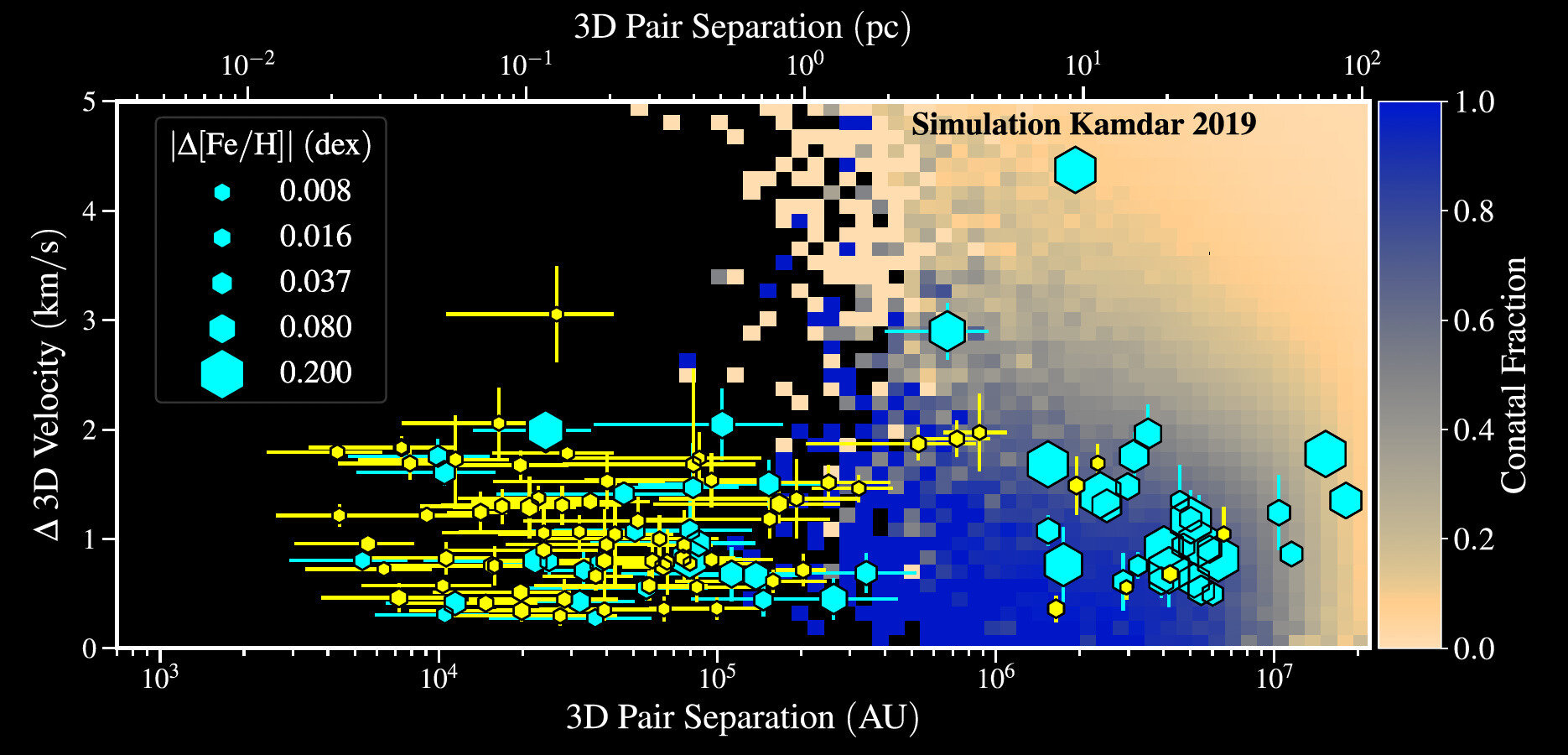
C3PO demonstrates that co-moving stars are co-natal
"Wide"
-binaries
Chemically inhomogeneous
co-natal stars!
Yong, YST+, 2023
Hmm... twins,
but not the same...

Hotter stars are more likely to be anomalous
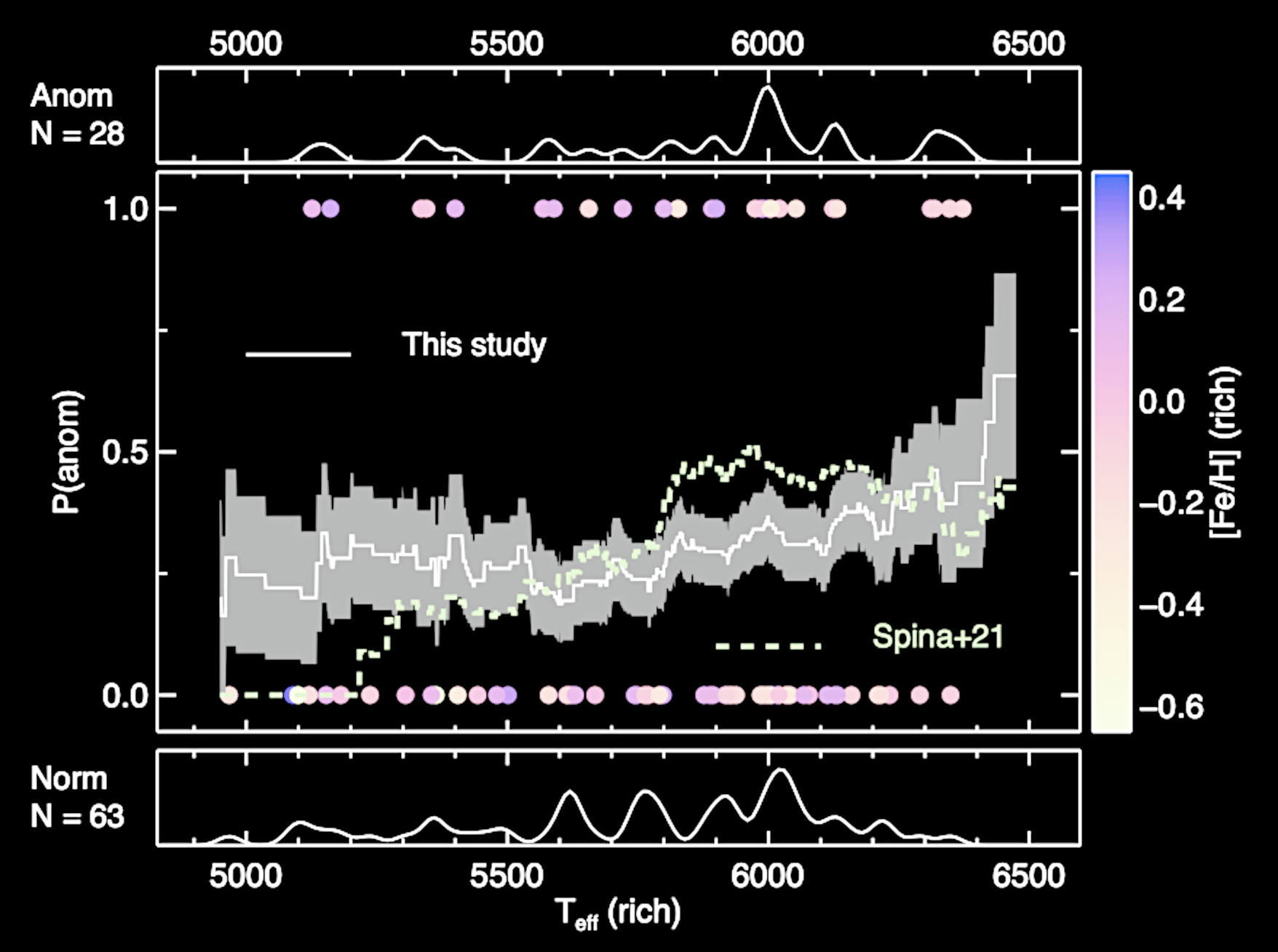
Hot
Cold
Yong, YST+, 2023
Recall that hotter stars have a shallower convective envelope
Obviously, not to scale
Cold star
Hot star
I am planet
Obviously, not to scale
Cold star
Hot star
I am planet
Stronger signal
Weaker
signal
Recall that hotter stars have a shallower convective envelope
Liu, YST+ 2024

Fitting a planet-engulfment model to the data
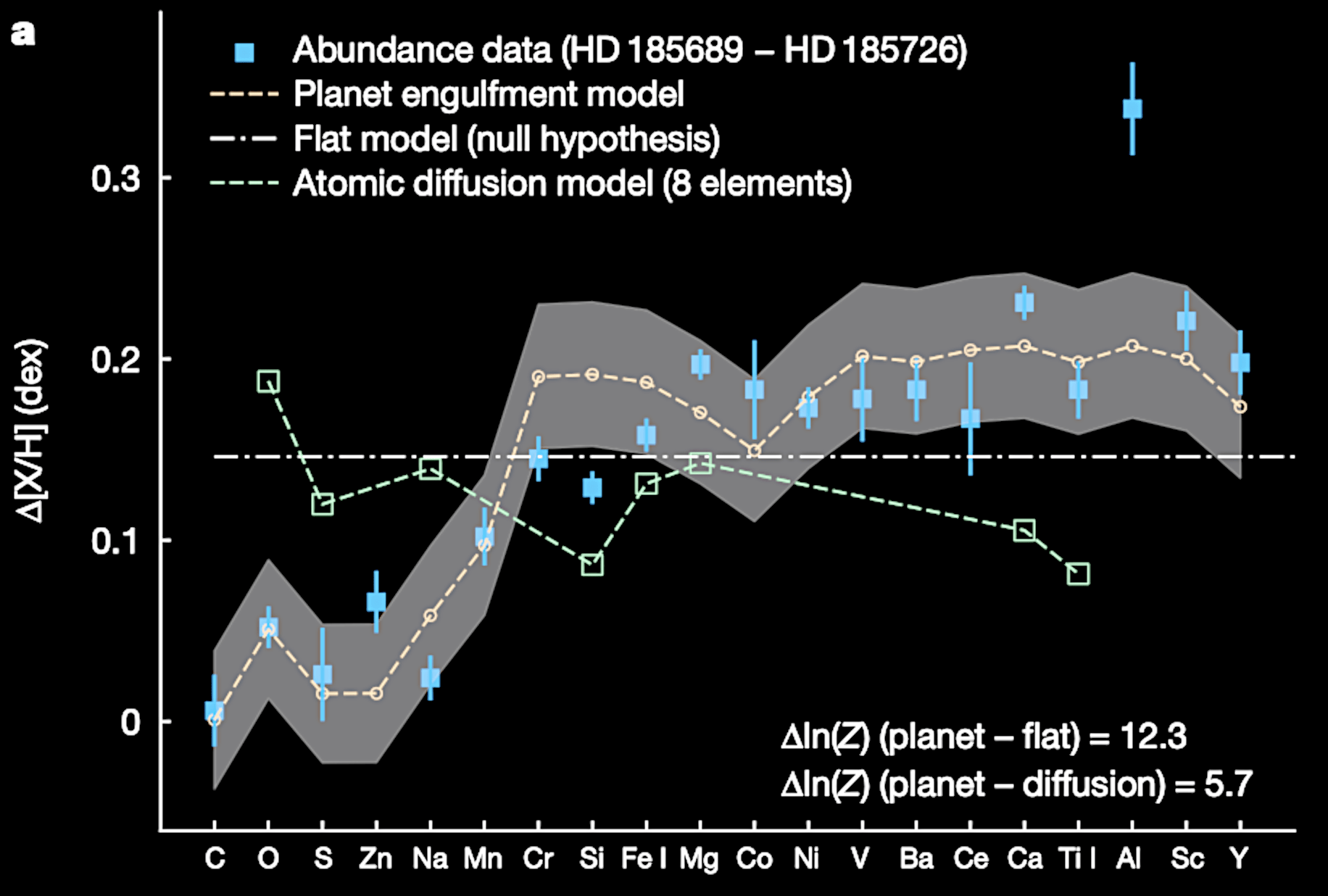
Liu, YST+ 2024
Abundance Difference
The statistical "evidence" favors planet engulfment
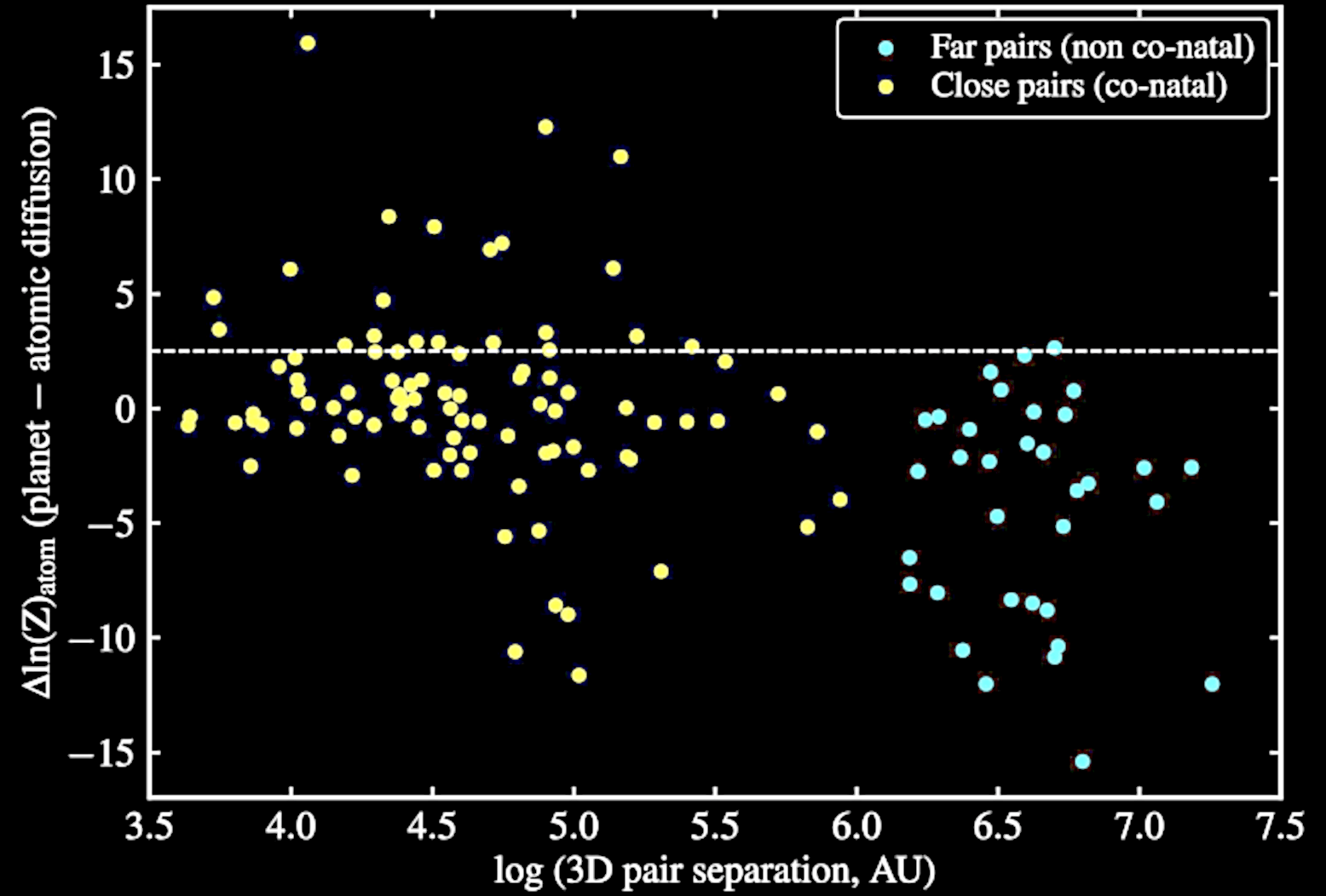
Co-natal sample
Control sample
Favoring the planet engulfment scenario
Liu, YST+ 2024
Previously, fewer than 10 known examples (from binaries)
We detect at least 8/125 co-moving pairs (8%) showing such statistical evidence
This is one of the very few ways to understand the chemical composition of exoplanets
Planet-related perturbations might also change stellar rotation
and consequently stellar activity
Stellar activity measurements with Ca H&K lines from C3PO
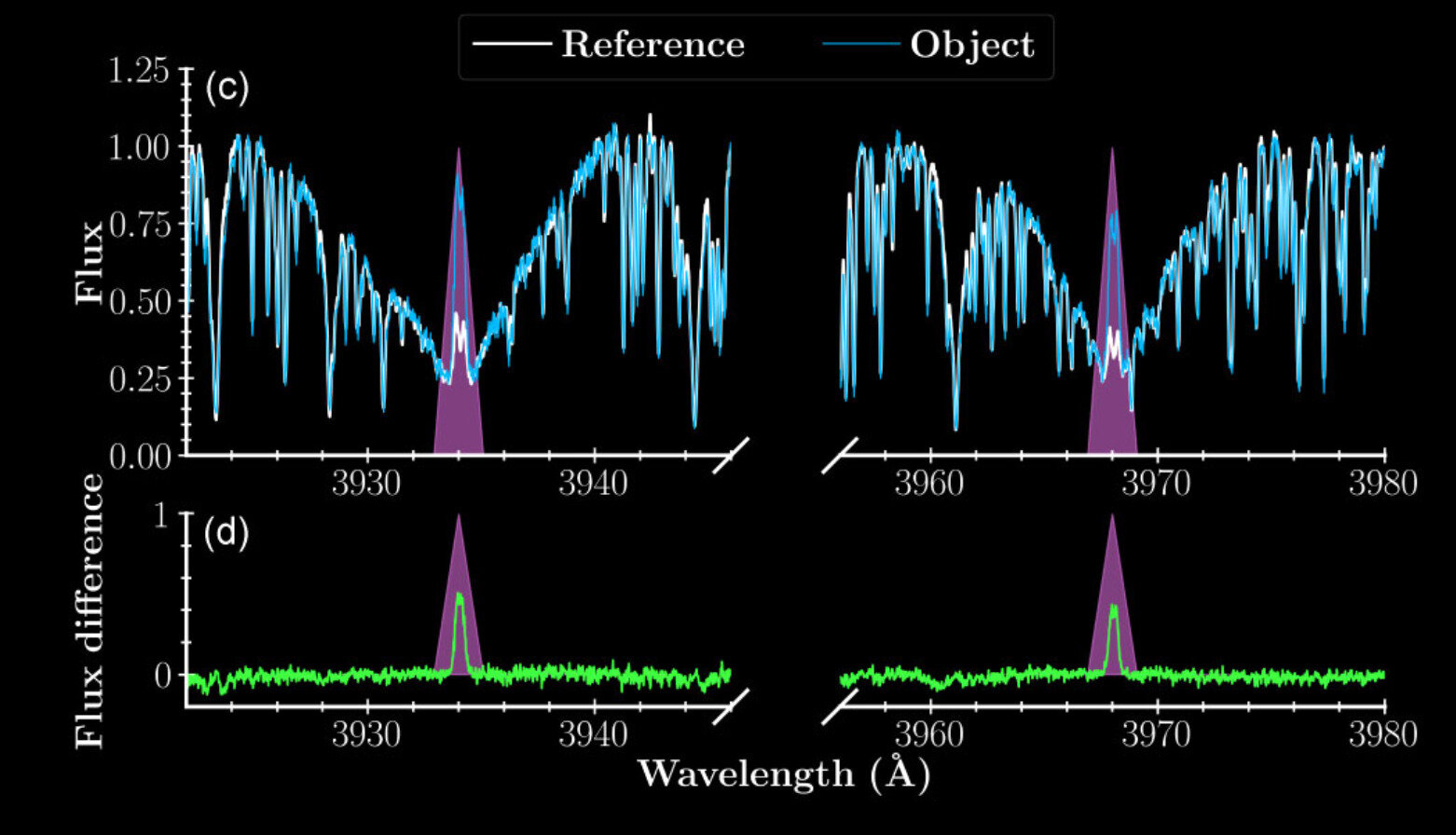
Wavelength (A)
3930
3940
3960
3970
3970
3980
Flux difference
Flux
Yu, YST+ 2025
The "engulfment" pairs show varying degrees of "pollution"
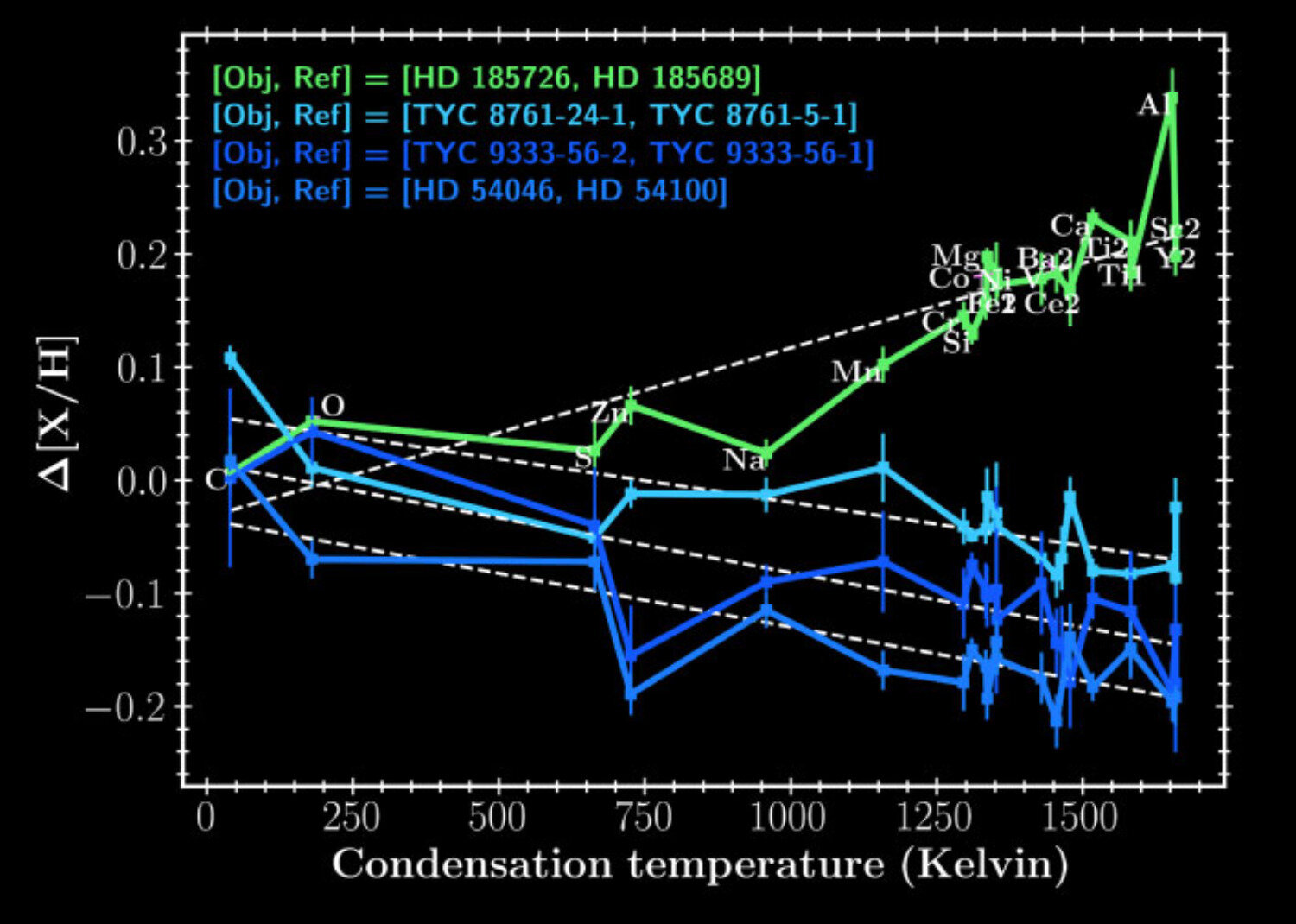
Larger deviation
Larger planets?
Condensation Temperature [K]
0
500
1000
1500
-0.2
0.0
0.2
Abundance Difference
Yu, YST+ 2025
Volatile:
C,N,O
Refractory:
Mg, Si
Stars with stronger planet signals also show more activity
Stellar activity indicator
Abundance-Condensation
Slope
Yu, YST+ 2025
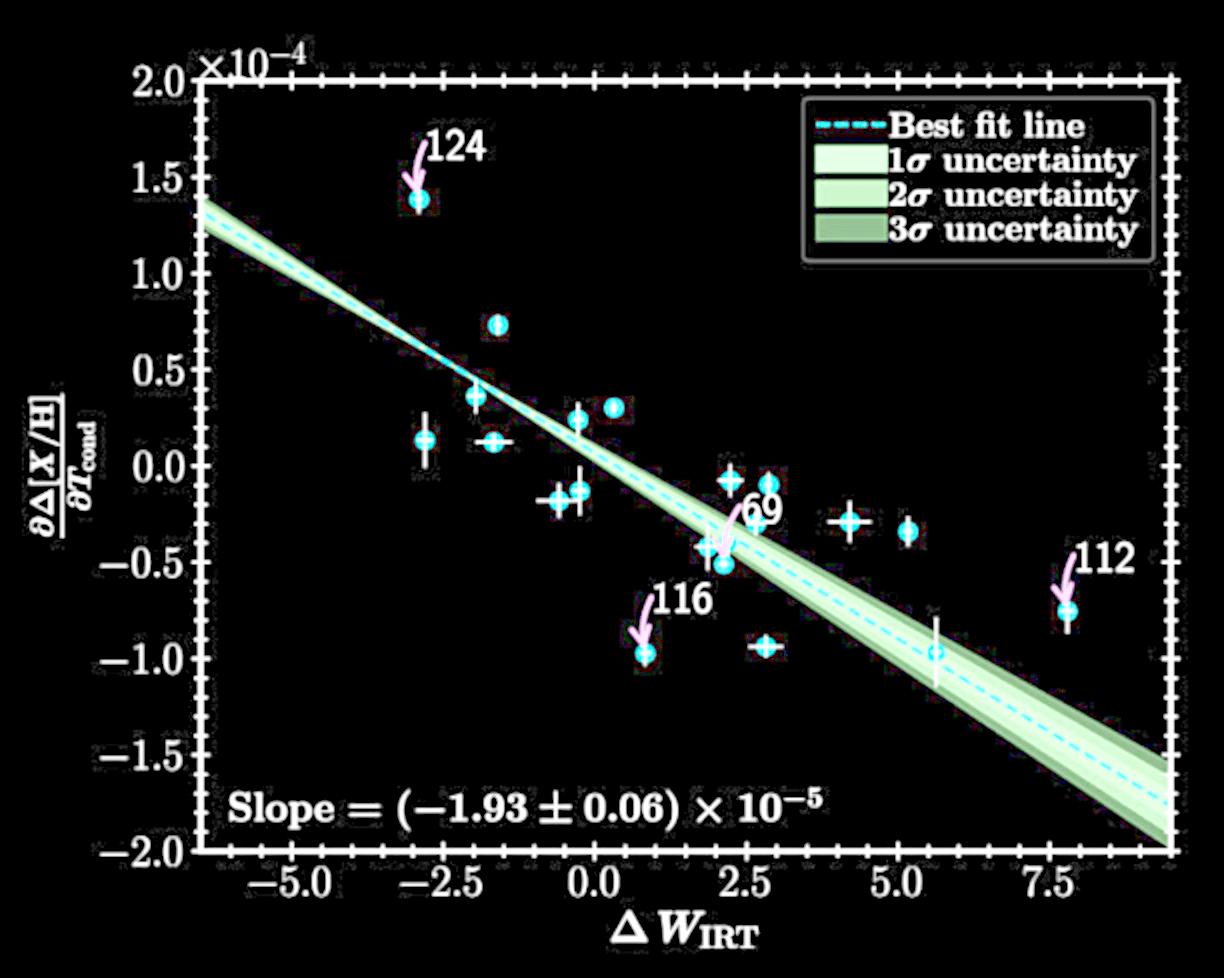
Supports planet-related causes
But I have not told you the full story yet...
Scenario 1: Planet Engulfment Theory
Obviously, not to scale


Obviously, not to scale

Scenario 1: Planet Engulfment Theory
Obviously, not to scale
Protoplanetary disk
I am planet
Scenario 2 : Planet Formation Theory
Obviously, not to scale
Protoplanetary disk
Planet depletes planetary material
Scenario 2 : Planet Formation Theory
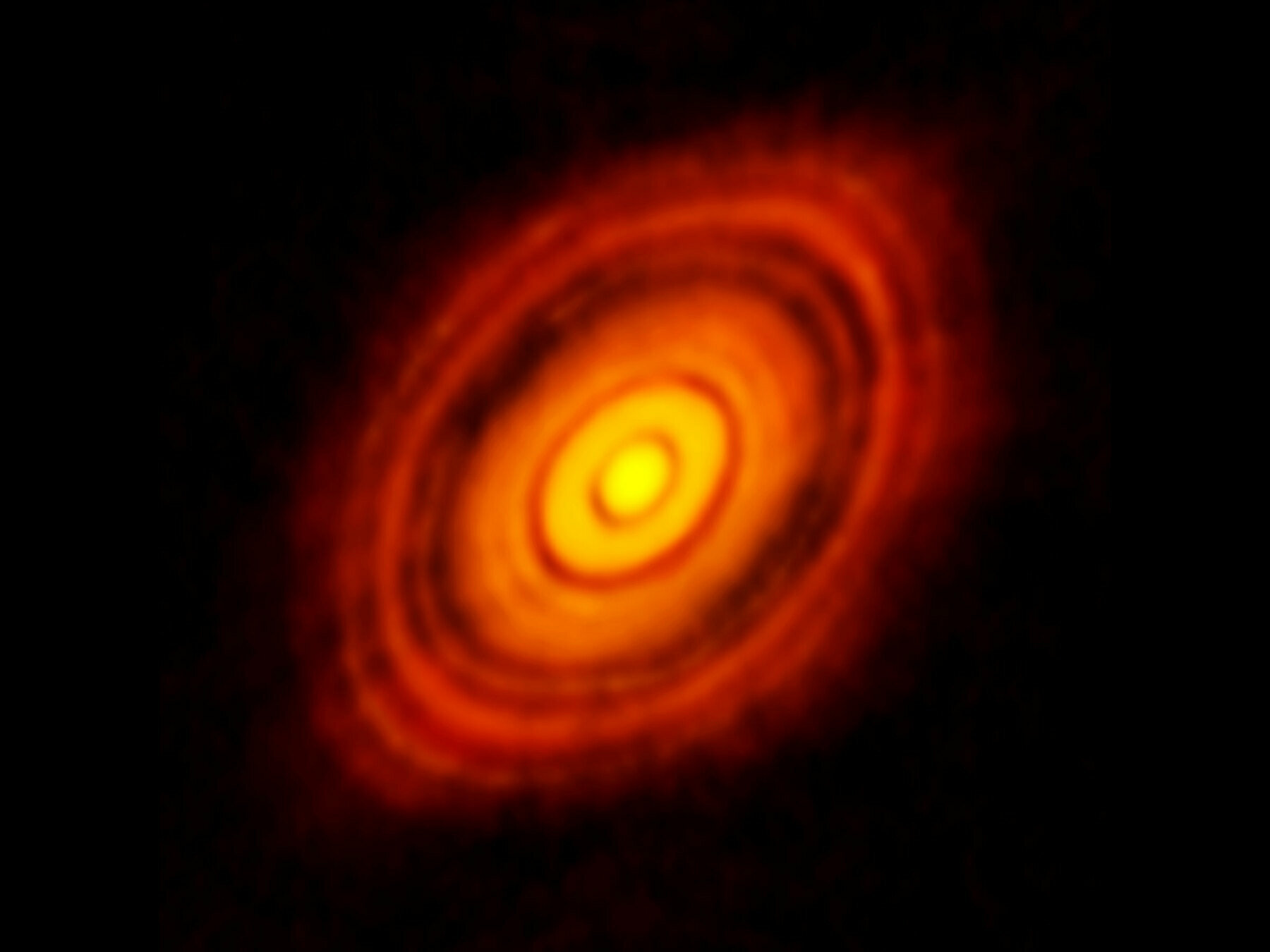
Obviously, not to scale
Protoplanetary disk
Protoplanetary disk
With planet formation
Without planet formation
Scenario 2 : Planet Formation Theory
Obviously, not to scale
With planet formation
Without planet formation
Scenario 2 : Planet Formation Theory
We think planet engulfment is favored
Protoplanetary disk
Proto-stars have much larger convective envelope
Planet Engulfment
Planet Formation
Can easily make 0.1 dex signal or larger
(what is observed in C3PO)
For:
Against:
Simulations predict signal ~0.02 dex or smaller
Huhn & Bitsch, 2023
How do you perturb the orbit of a planet?
Planets naturally take away material
What about lithium?
Easily destroyed in stars
But it could be replenished by planet engulfment.
Is lithium a good indicator of planet ingestion?
e.g., Spina+ 2021, Nature Astronomy
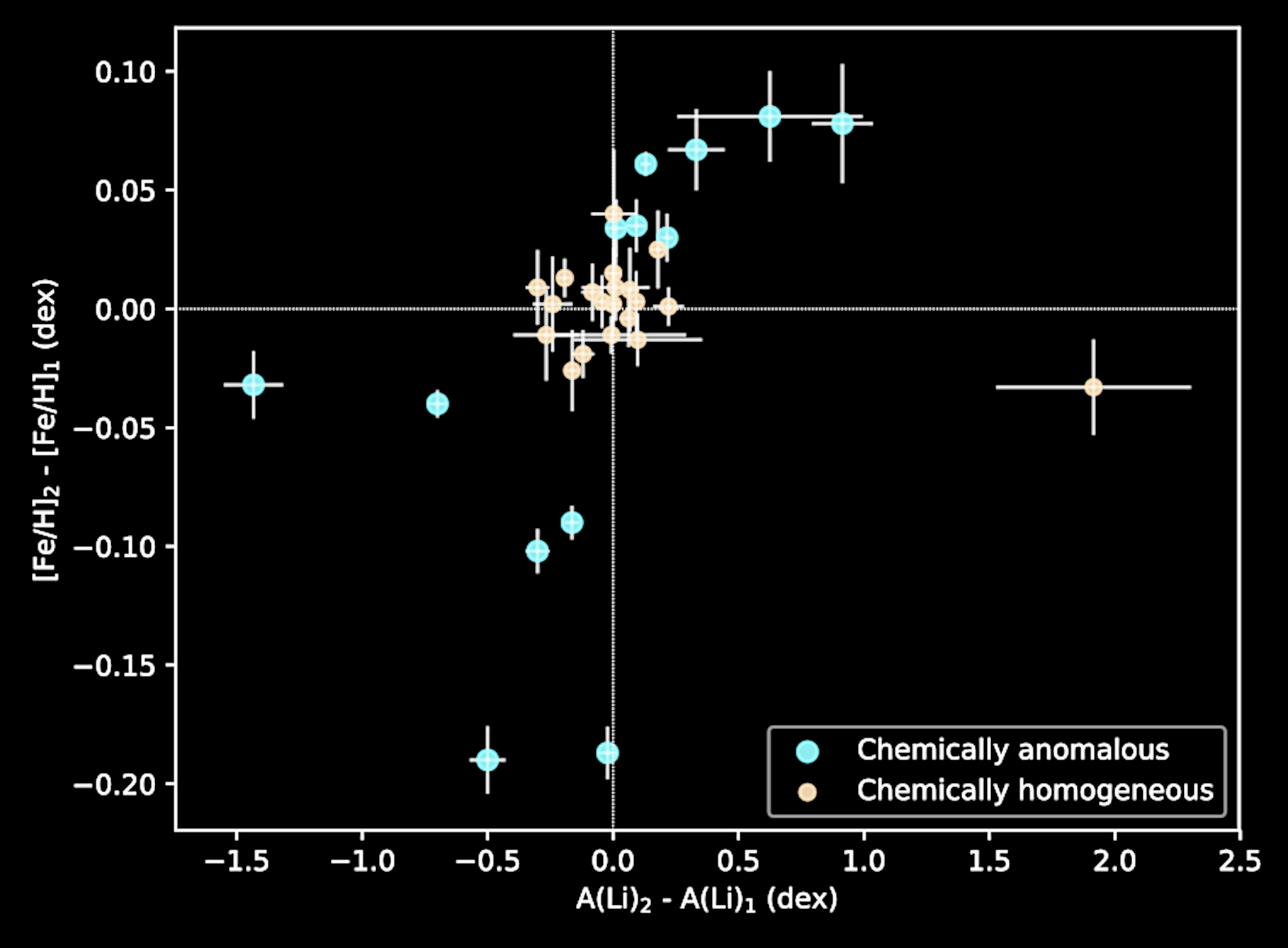
Lithium Enhancement
Also various works on the origin of Lithium-enhanced stars
Iron Enhancement
Caveat: heterogenous sample from various studies
Sun, YST+ 2025a
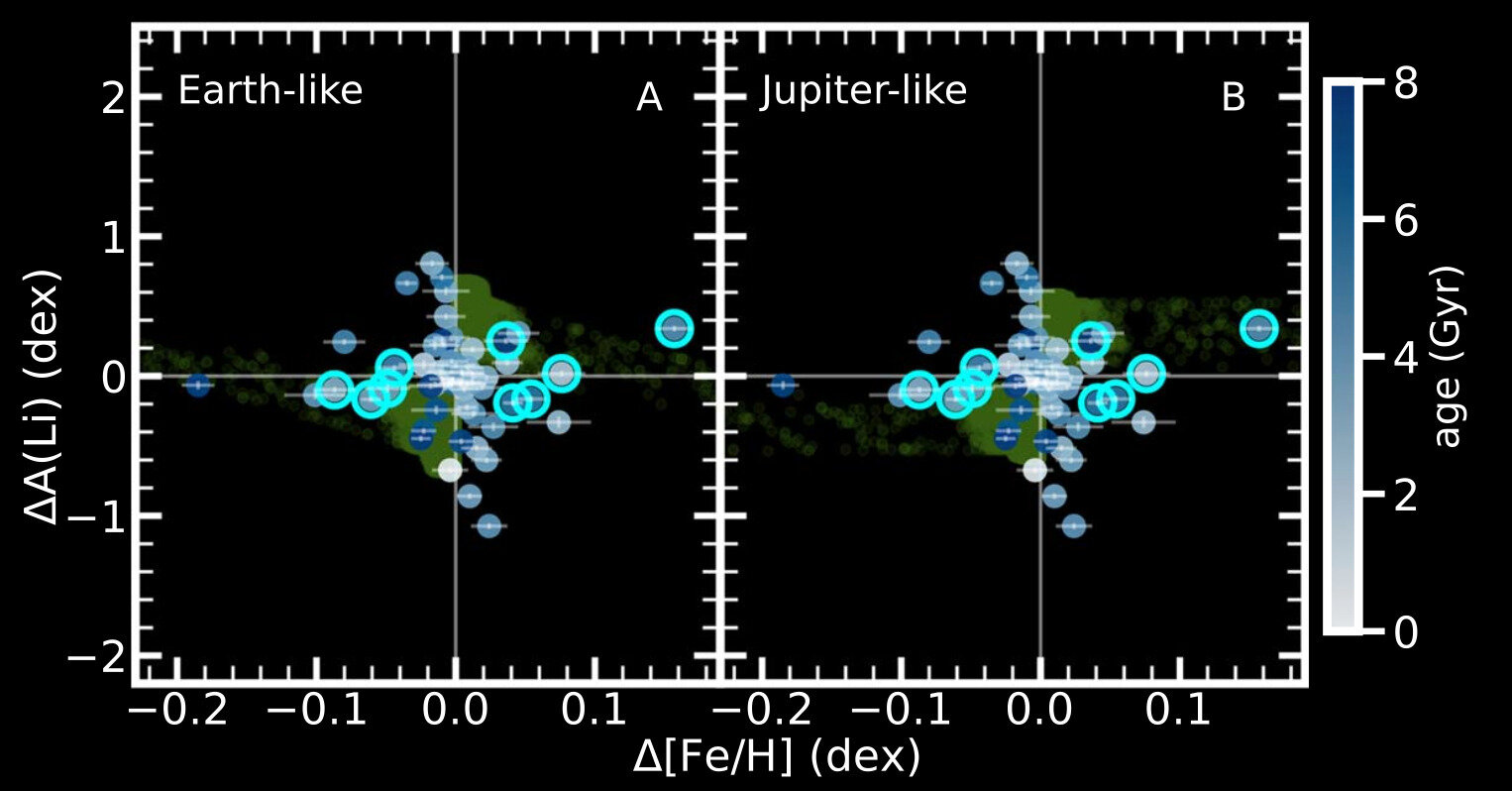
Earth-like
composition
Jupiter-like
composition
Simulation
Normal Lithium variation
C3PO detections of planet engulfment
Is lithium a good indicator of planet ingestion?
Contrary to common belief, planet engulfment generates negligible lithium variations
Comoving stars are also clusters of two
Corollary study : What causes the Lithium dip?
Lithium dip observed by C3PO
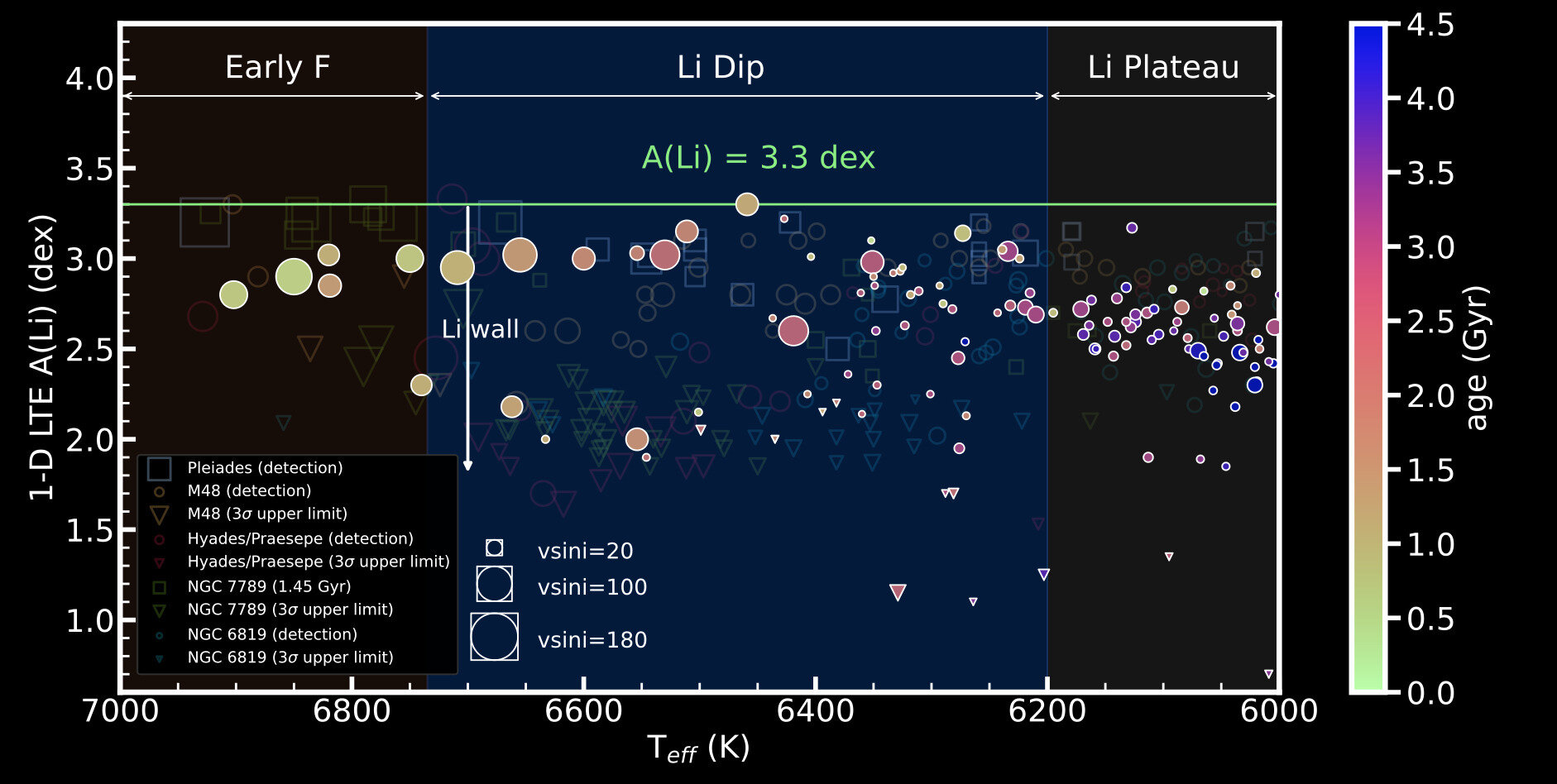
Sun, YST+ 2025b
Lithium dip
Rotational spin-down as the main cause of the Lithium Dip
Co-natal co-moving stars allow us to take into account the age effect, just like open clusters
Within each pair, stars with smaller rotational velocity are more depleted in lithium
Lithium dip observed by C3PO
Sun, YST+ 2025b
Lithium dip
Rotational spin-down as the main cause of the Lithium Dip
Stars lose angular momentum over time through stellar winds and magnetic braking
The spin-down triggers internal mixing and destroys lithium
Co-natal co-moving stars allow us to take into account the age effect, just like open clusters
Within each pair, stars with smaller rotational velocity are more depleted in lithium
What is next?
PASTA ! Planets Around Solar Twins/Analogs
PI: Qinghui Sun (STJU), Sharon Wang (Tsinghua), YST, Ji Wang (OSU)