Yuan-Sen Ting
The Ohio State University
Report on the Future of AI for the Mathematical and Physical Sciences (AST focused)
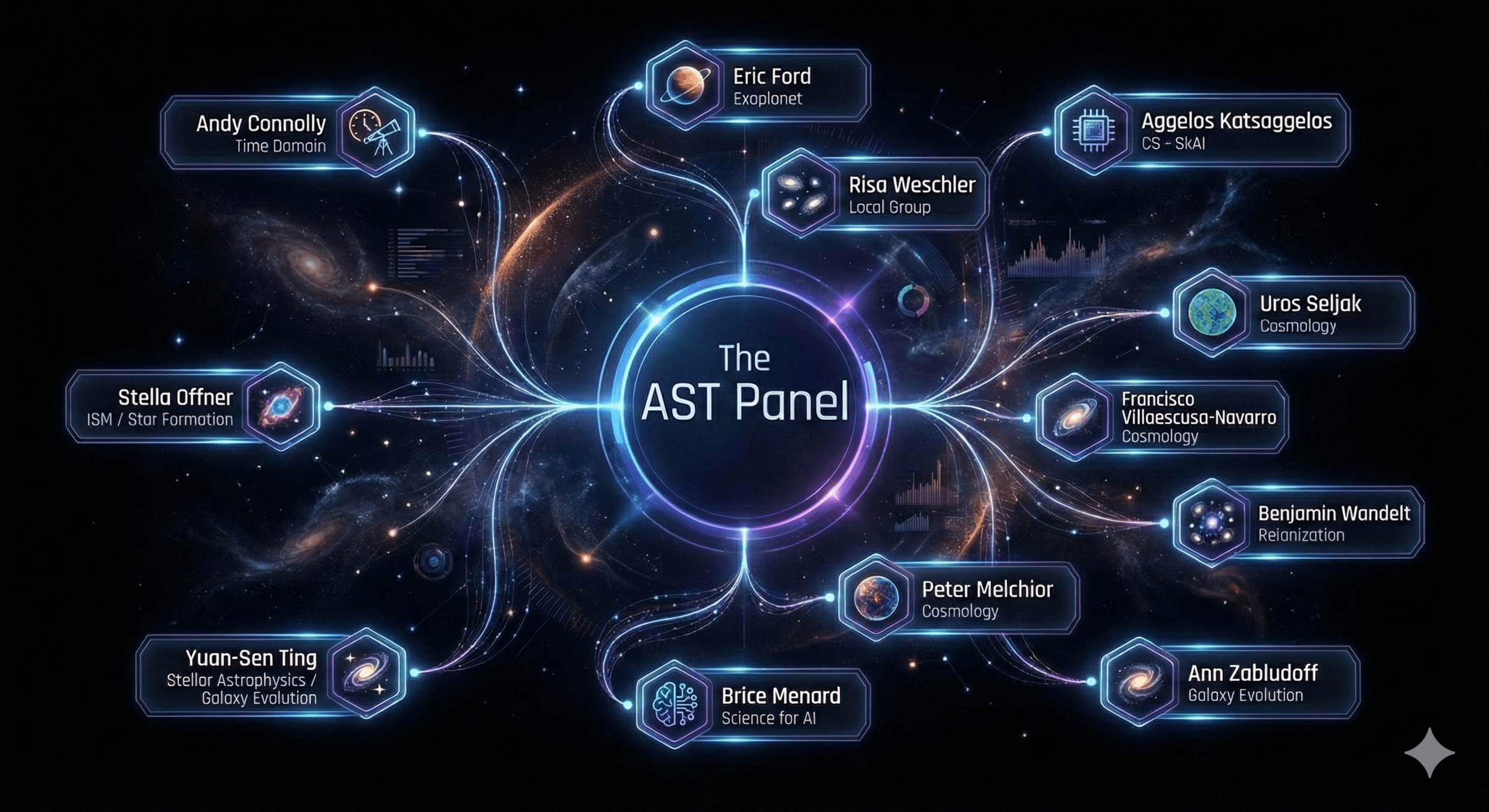
About 12 invitees per domain, about 60 in total
List of invitees for Astronomical Science (AST)
Andy Connolly (U Washington - Time Domain)
Stella Offner (UT Austin - ISM / Star Formation - CosmicAI)
Yuan-Sen Ting (Ohio State - Stellar Astrophysics / Galaxy Evolution)
Eric Ford (Penn State - Exoplanet)
Risa Weschler (Stanford - Local Group)
Brice Menard (Johns Hopkins - Science for AI)
List of invitees for Astronomical Science (AST)
Aggelos Katsaggelos (Northwestern - CS - SkAI)
Uros Seljak (Berkeley - Cosmology)
Ann Zabludoff (Arizona - Galaxy Evolution)
Francisco Villaescusa-Navarro (CCA - Cosmology)
Benjamin Wandelt (John Hopkins - Reionization)
Peter Melchior (Princeton - Cosmology)
Salman Habib (Argonne - Cosmology - National Lab - SkAI)
Balancing institutional representation and subdomain expertise
The Need
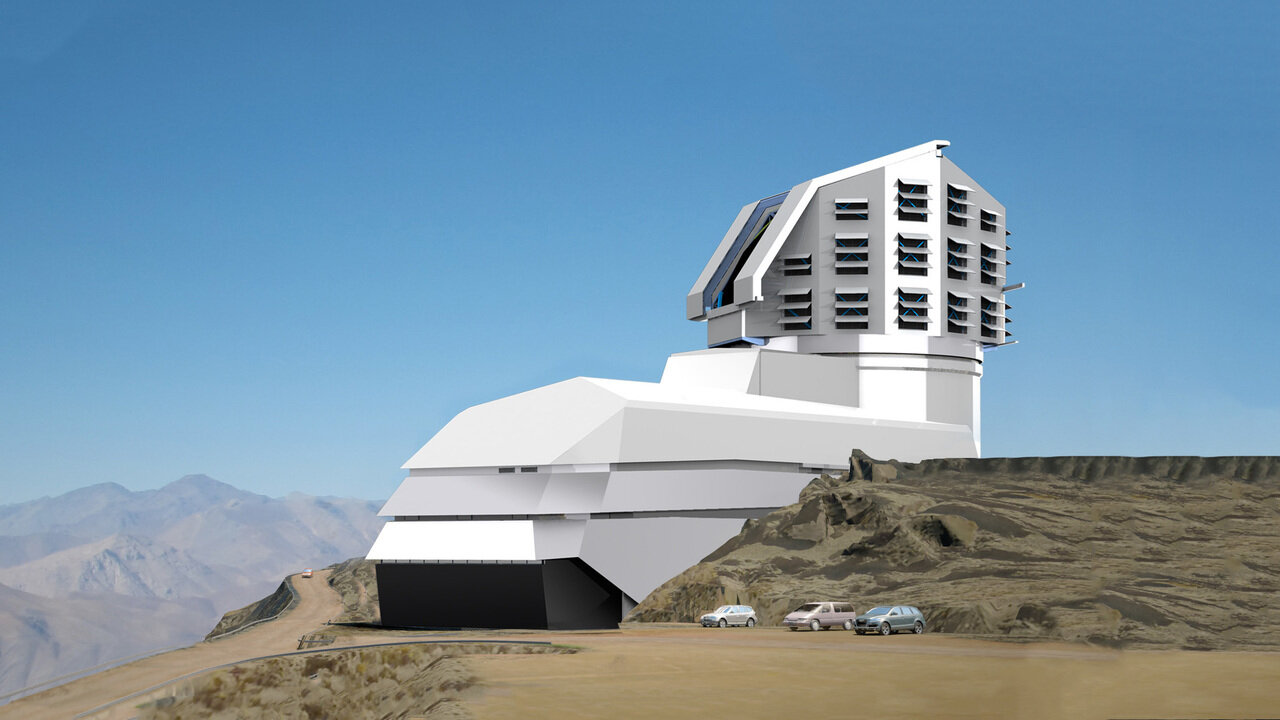
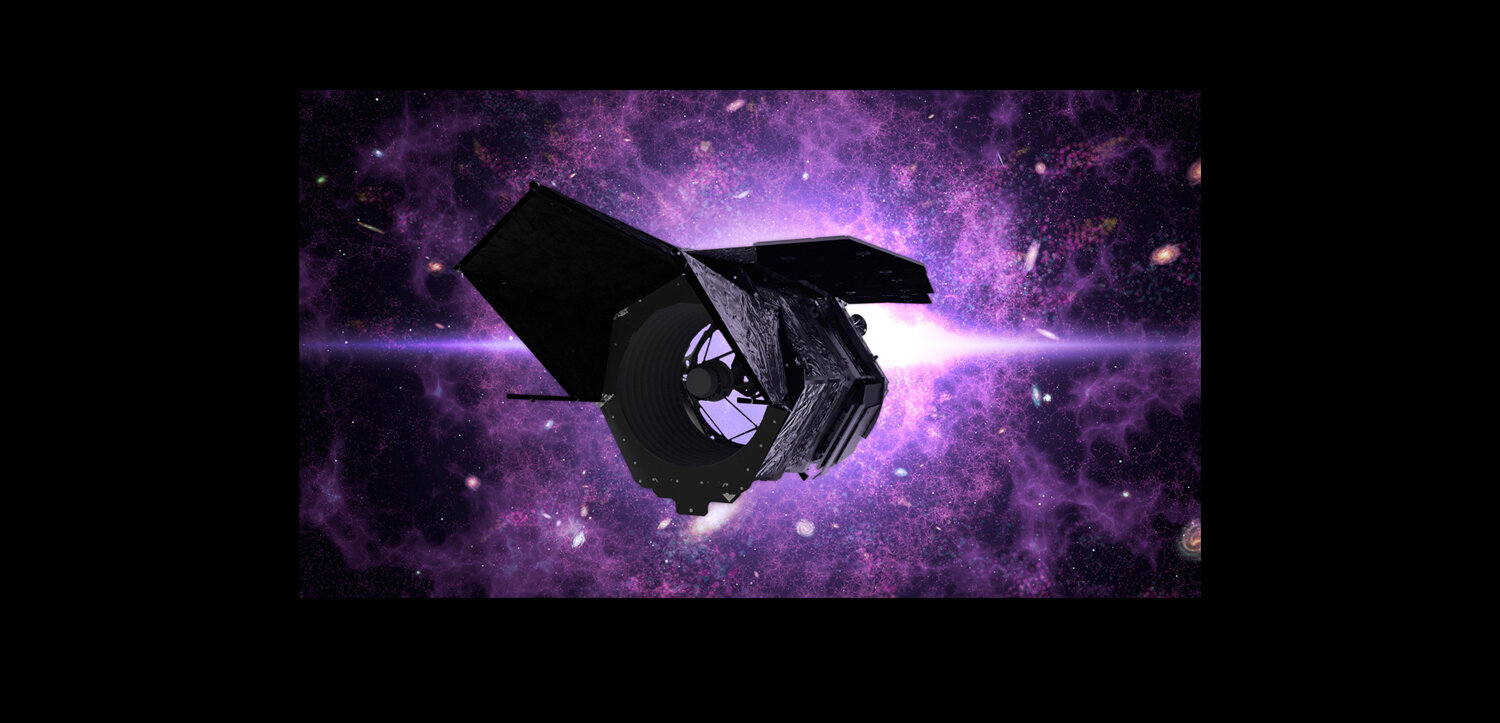
The upcoming surveys including the Rubin Observatory and Roman Space Telescope will create a data deluge
The Need
Investment in AI remains small compared to the amount already spent on instrumentation
The upcoming surveys including the Rubin Observatory and Roman Space Telescope will create a data deluge
Critical timing for maximizing scientific returns from these
investments
What are some of the main advances so far?
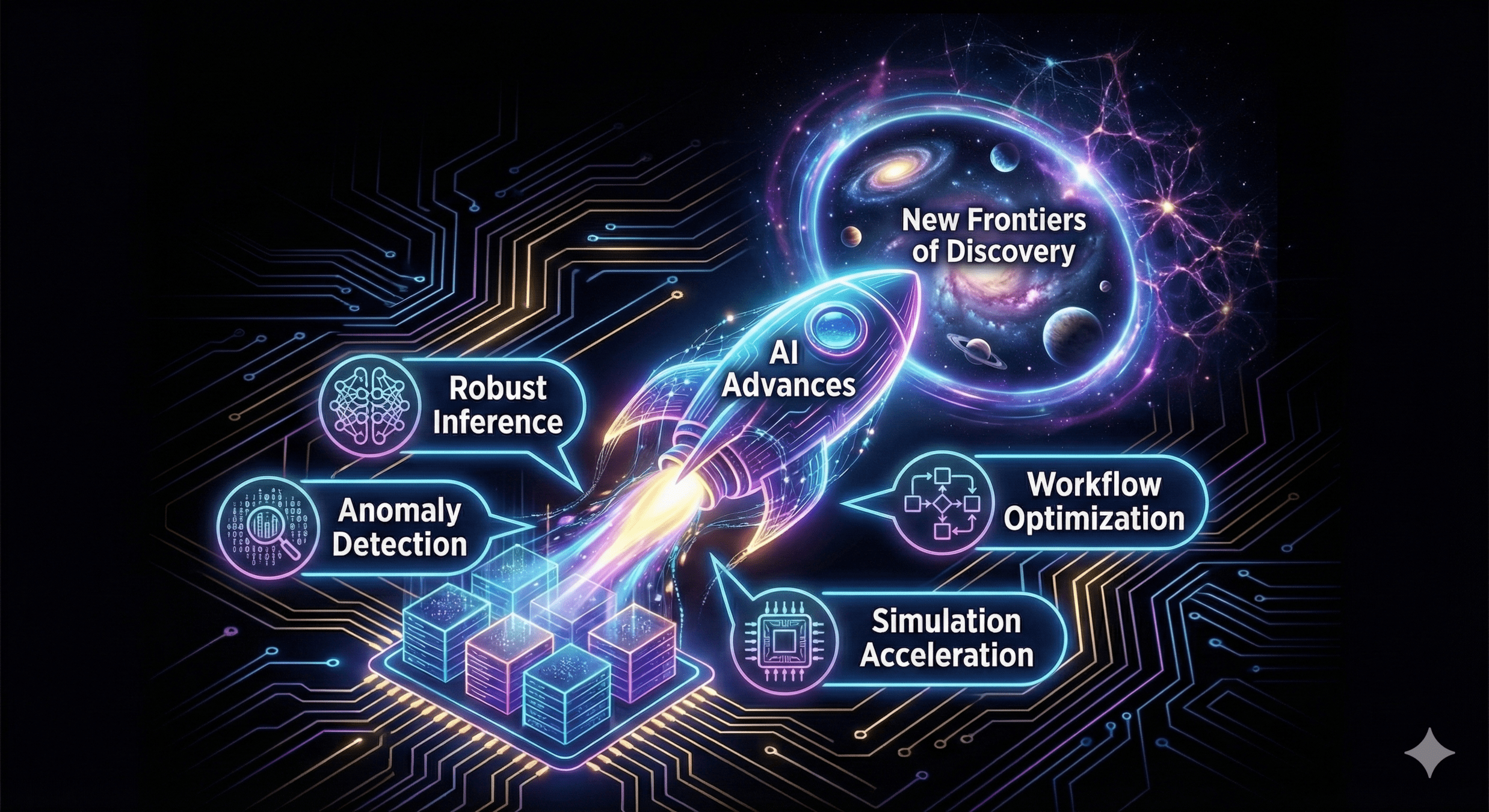
1. More Robust Inference with Simulations
Revolutionizing high-stakes science through novel statistical methods via deep learning
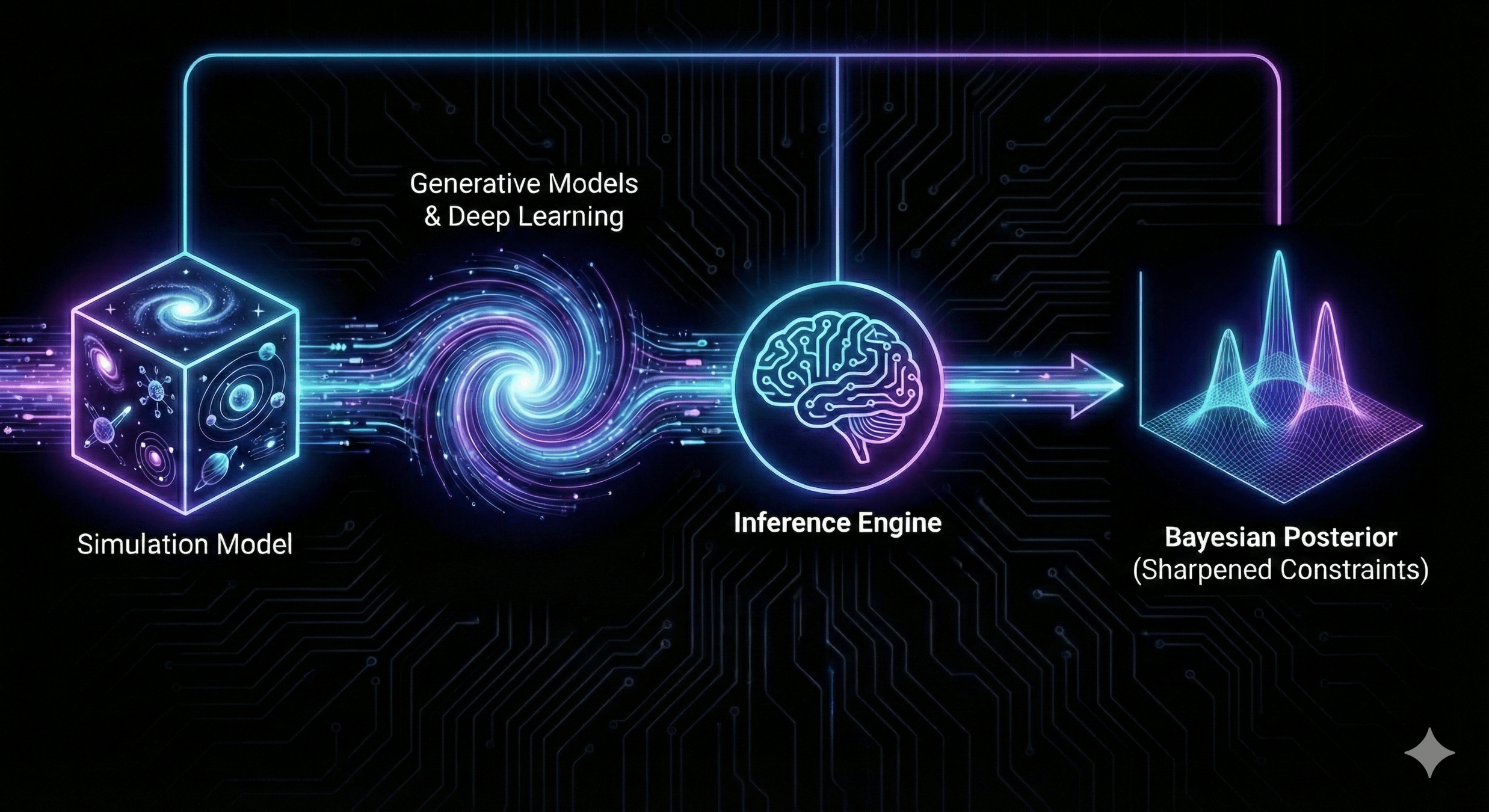
1. More Robust Inference with Simulations
Revolutionizing high-stakes science through novel statistical methods via deep learning
Sharpened constraints in cosmology, gravitational waves, and exoplanet atmospheres, etc.
Simulation-Based Inference transforms the "inverse problem" - using generative models as a surrogate for likelihood / posterior
Bayesian statistical inferences without simplistic human-heuristic summary statistics (e.g., power spectrum)
2. Anomaly Detection
Addressing the astronomical "needle in the haystack" problem
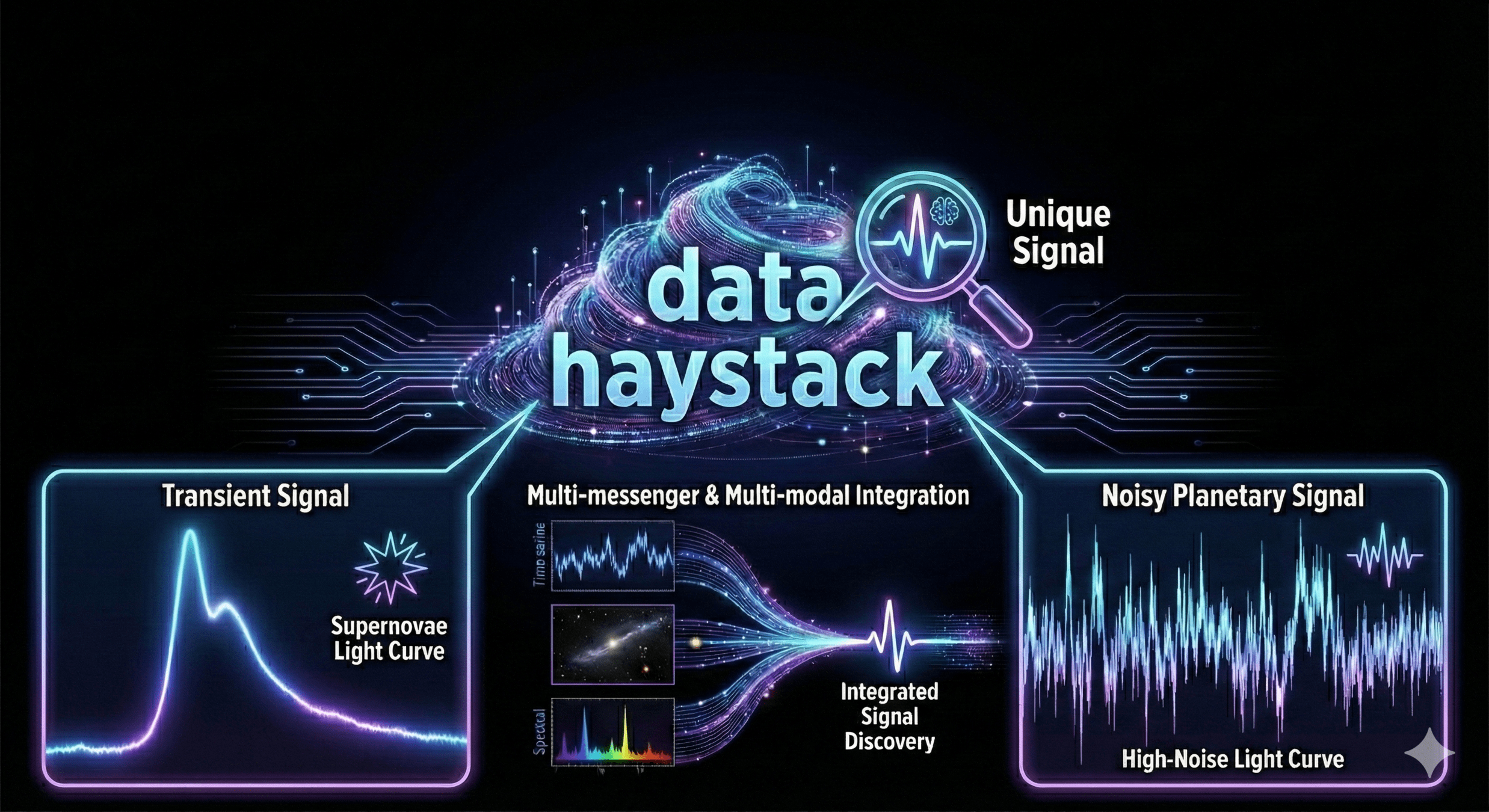
2. Anomaly Detection
E.g.1, Real-time classification of transient events, timely follow-up
E.g.2, Distinction between planetary signals and stellar activity/noise
Addressing the astronomical "needle in the haystack" problem
3. Workflow Optimization
Reduce costs for ground- and space-based telescopes
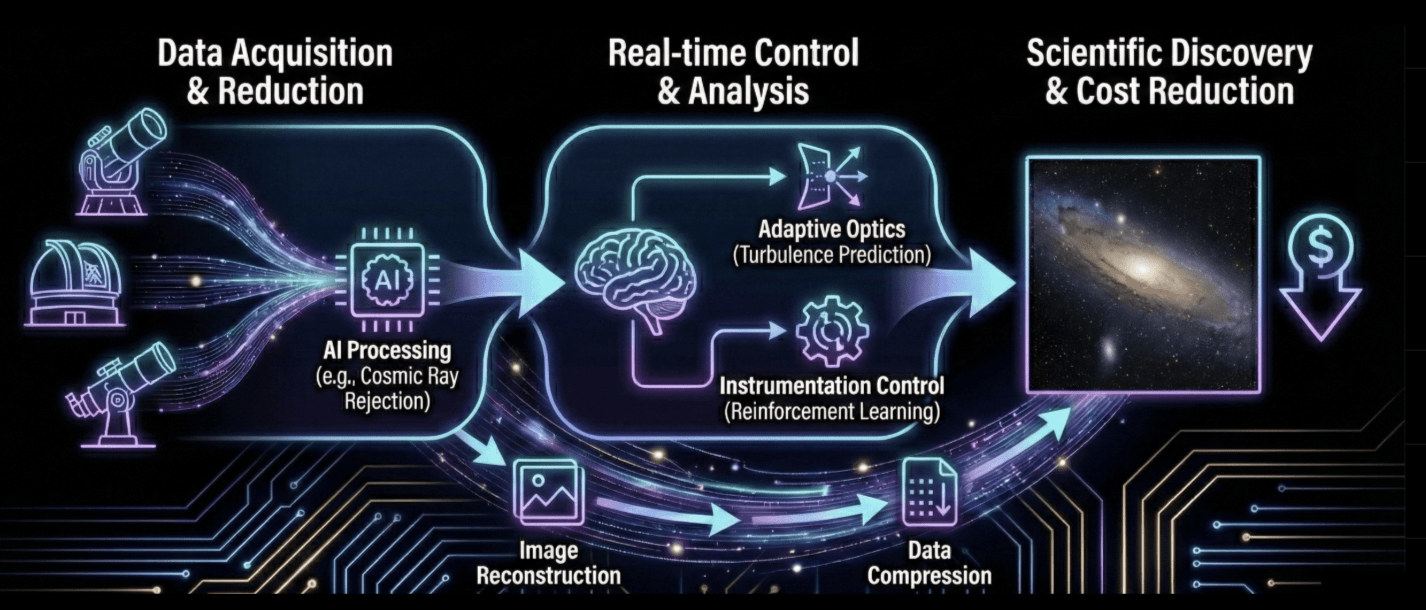
3. Workflow Optimization
Data processing: e.g., cosmic ray rejection
Image reconstruction and turbulence prediction for adaptive optics
3. Workflow Optimization
Reinforcement learning for instrumentation control
to align multi-mirror telescopes and interferometric arrays
4. Simulation Acceleration
GPU-powered numerical solvers reduce computational requirements
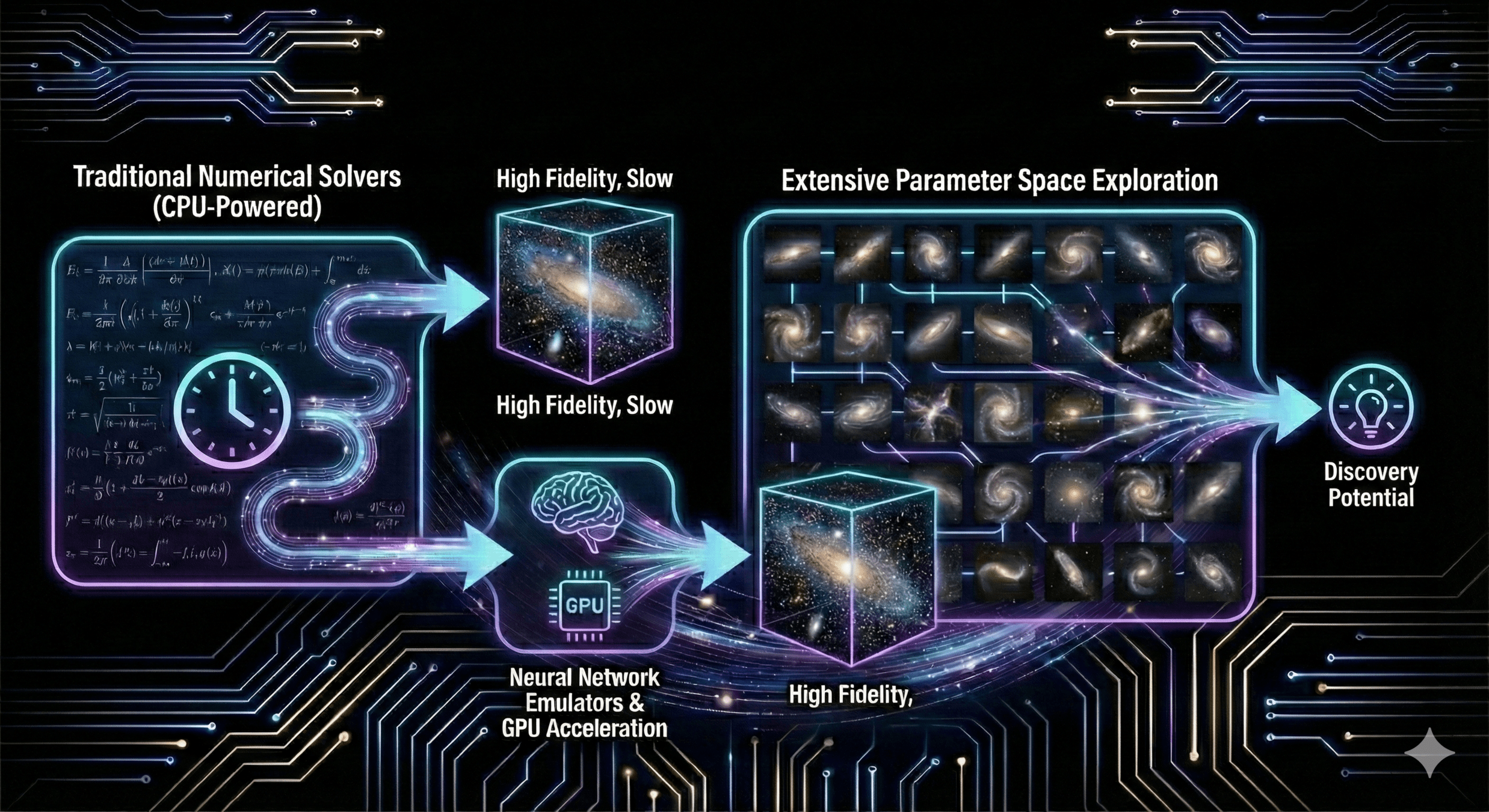
4. Simulation Acceleration
Neural network emulators replace expensive components,
such as sub-resolution physics for multi-scale simulations
Limited by simulation fidelity when modeling multi-scale processes and exposed to unknown systematics
AI for Astronomy - Gaps and Opportunities
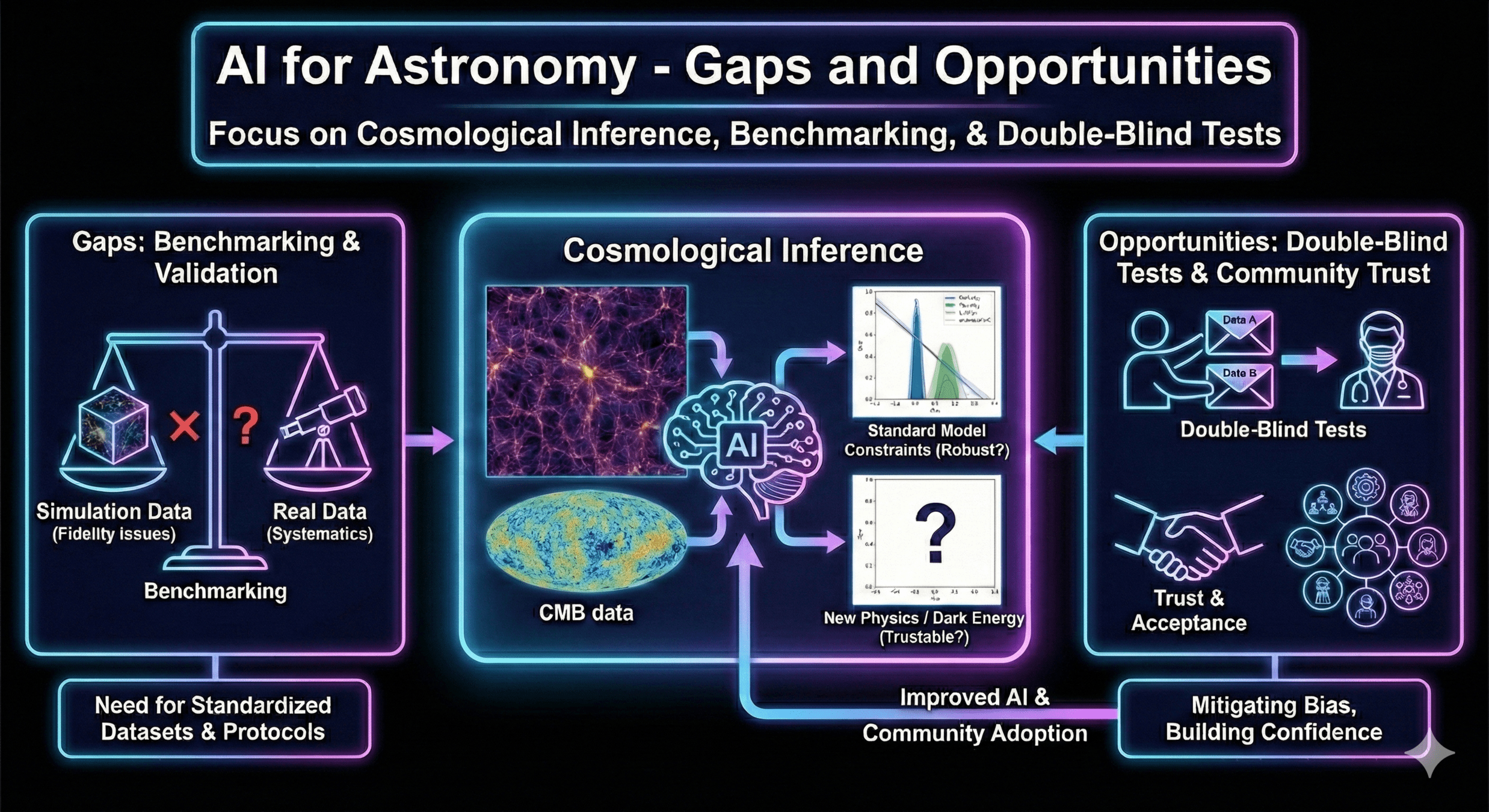
AI for Astronomy - Gaps and Opportunities
Develop benchmark datasets using simulations and real data, implement blind data analysis protocols
Requires serious implementation efforts,
not just conceptual hype
AI for Astronomy - Gaps and Opportunities
Plenty of optimization but few surprising discoveries
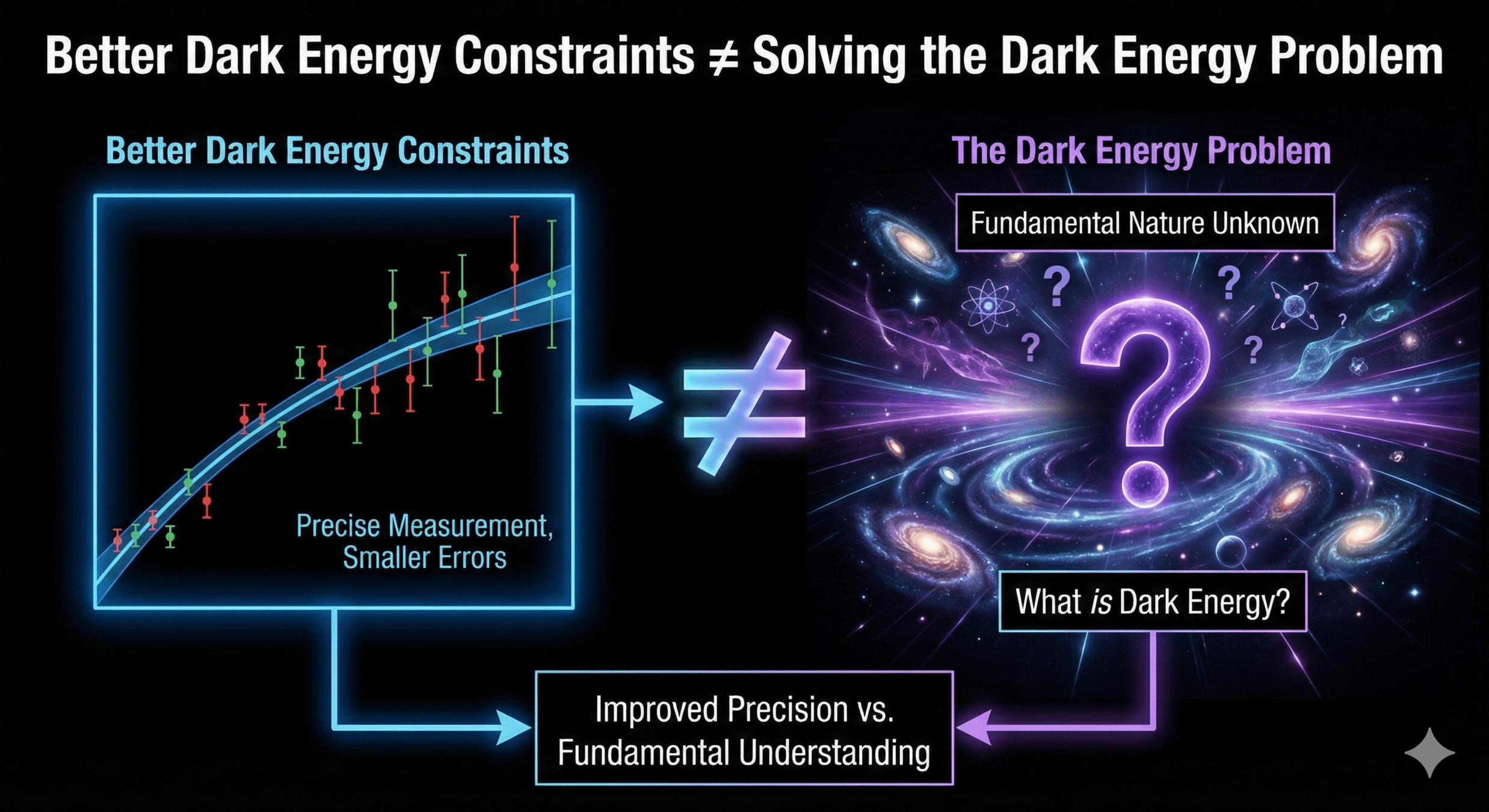
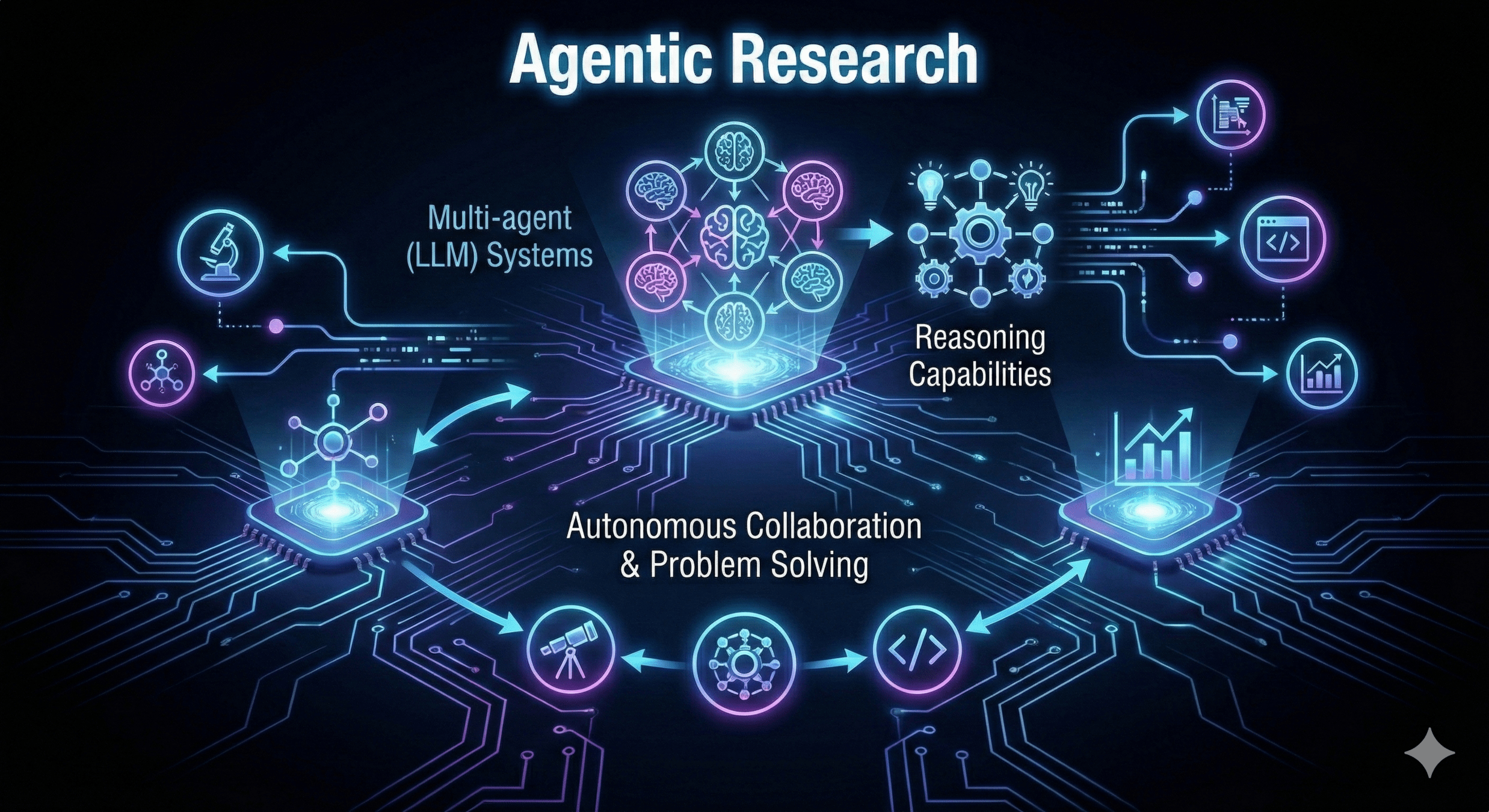
Agentic (large language models) systems, and their reasoning capabilities, might offer a high-risk, high-reward pathway
AI for Astronomy - Gaps and Opportunities
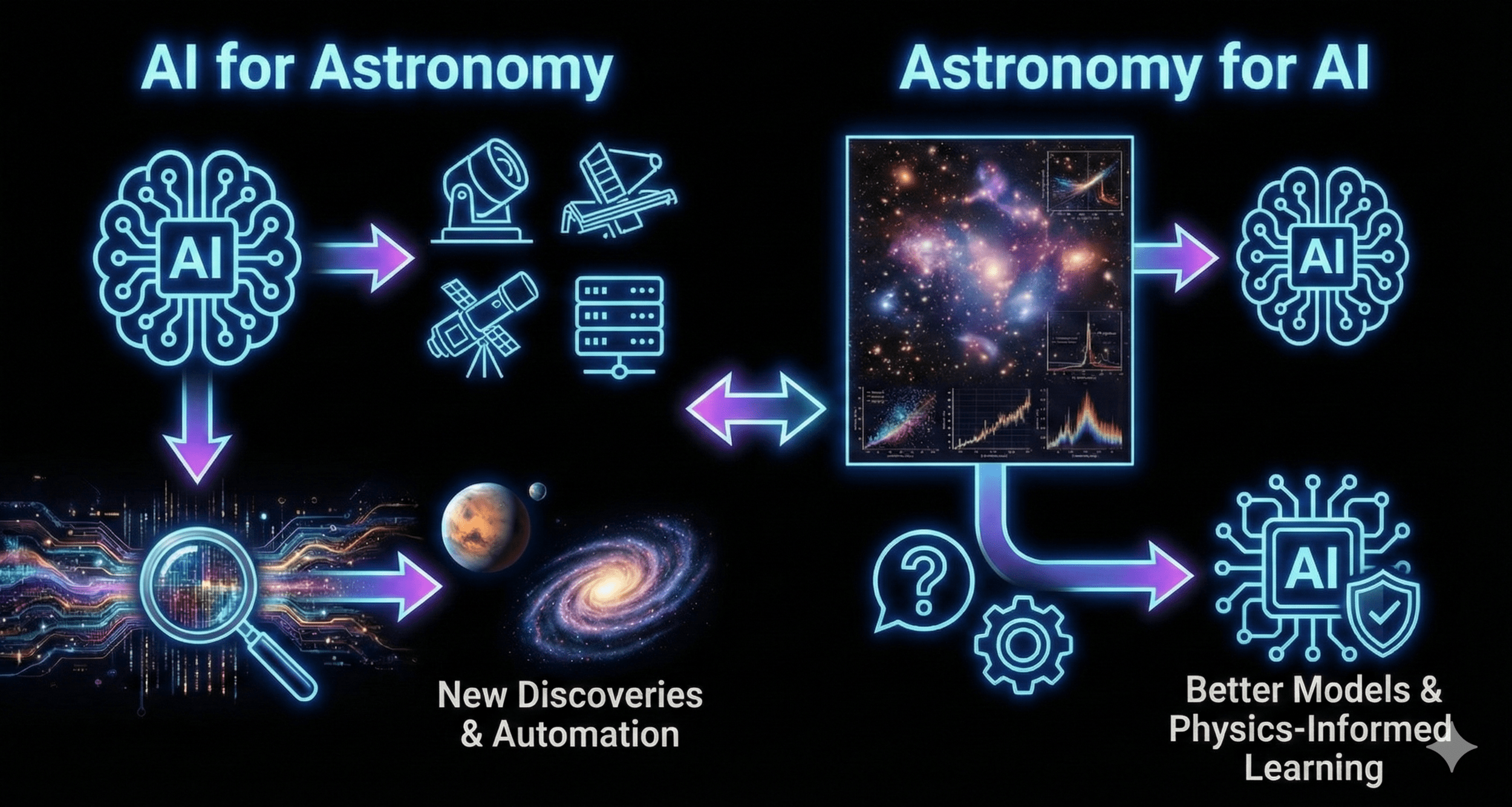
Astronomy for AI - Rich Datasets
Minimal ethical concerns or commercial constraints
Safe, low-risk ecosystem, with high-stakes science
Complex, non-proprietary data spanning large dynamic ranges
Astronomy for AI - Rich Datasets
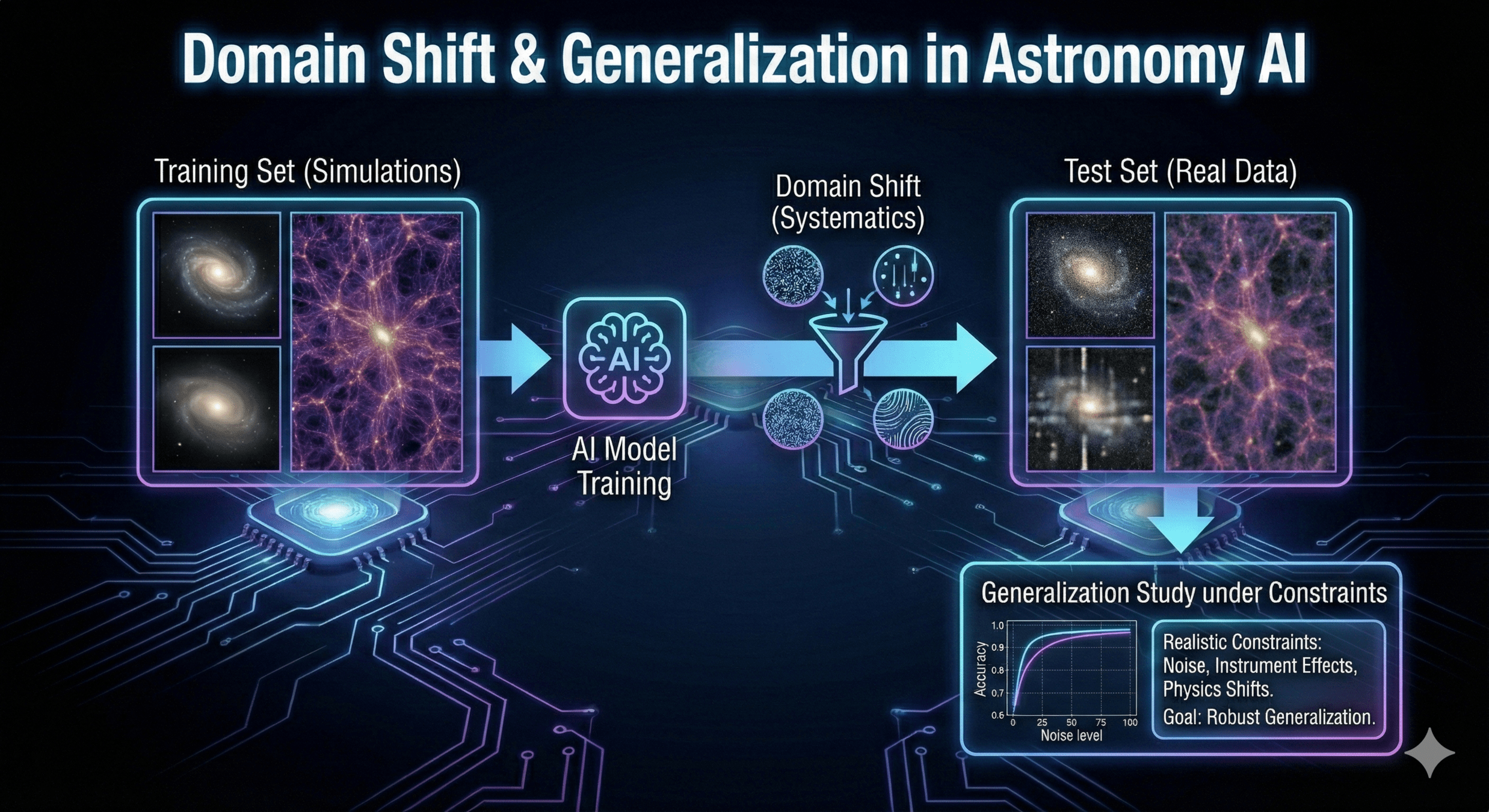
Interesting domain shifts (systematics) between training and test sets, enable study of generalization under realistic constraints
Astronomy for AI - Multimodal Challenges
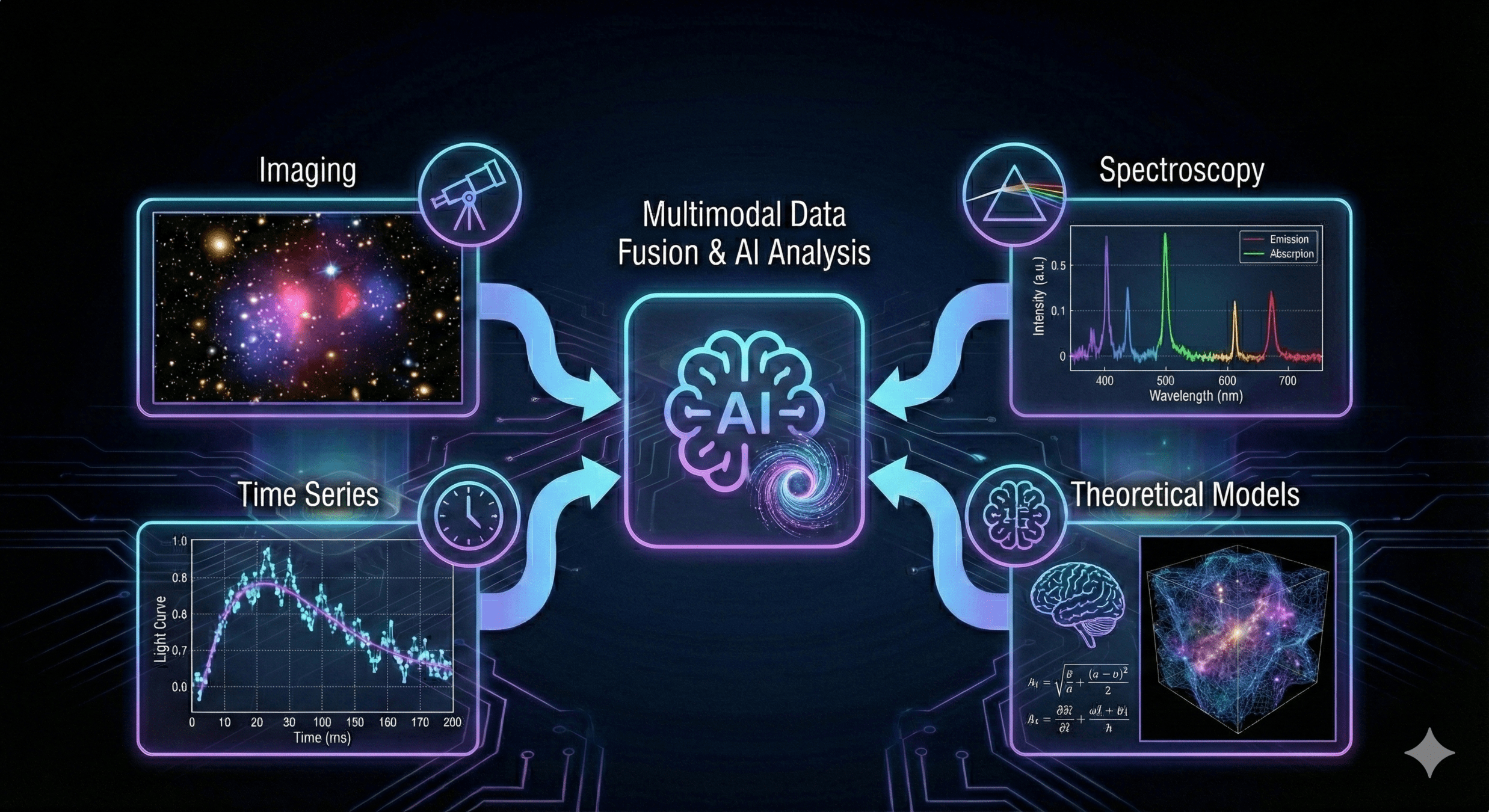
Combines imaging, spectroscopy, time series, and theoretical models
Astronomy for AI - Multimodal Challenges
Features unique modalities not in mainstream AI research
Astronomy for AI - Multimodal Challenges
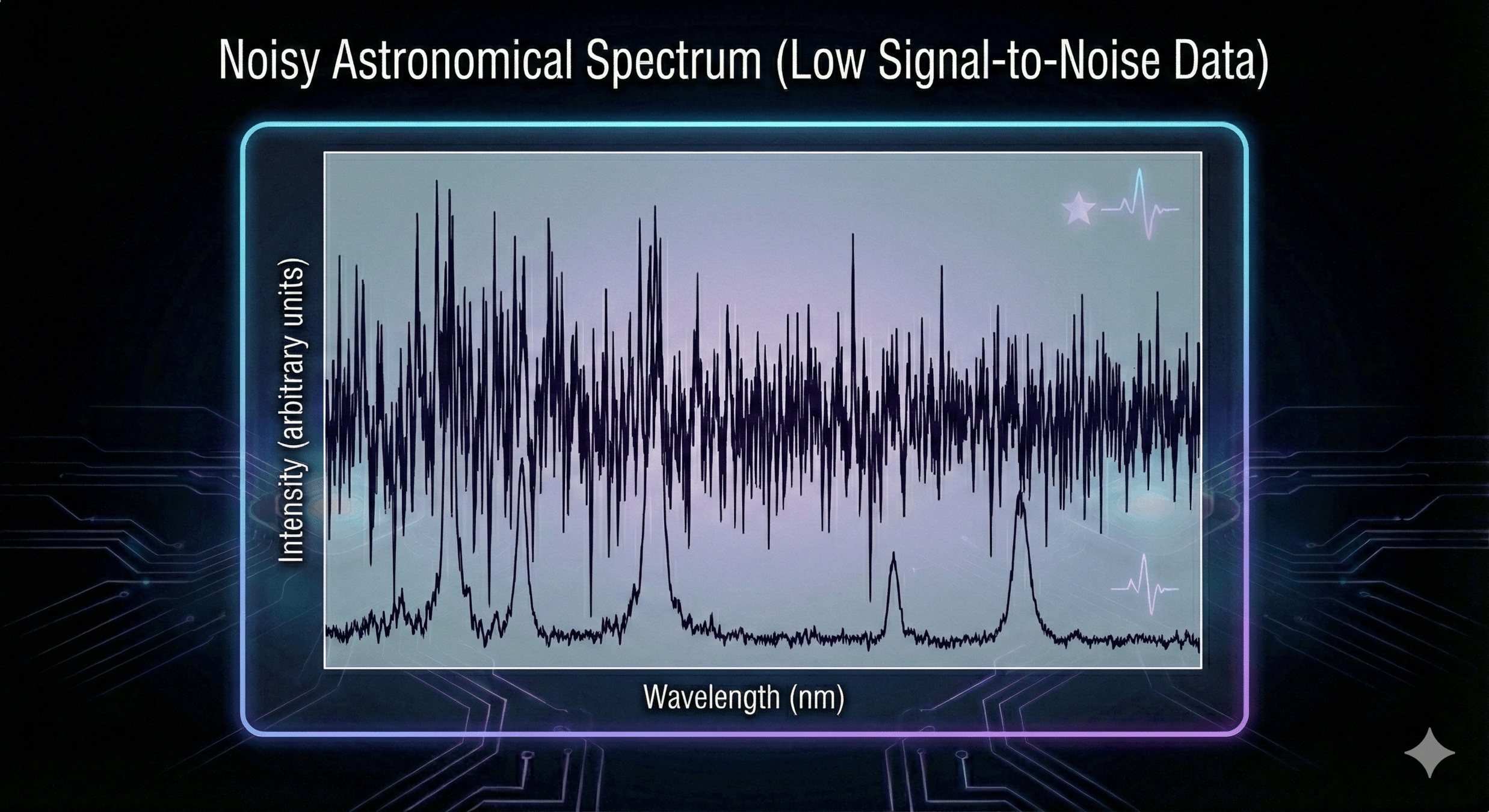
Operating in the low signal-to-noise limit and complex/ heterogeneous noise characteristics requires advanced handling
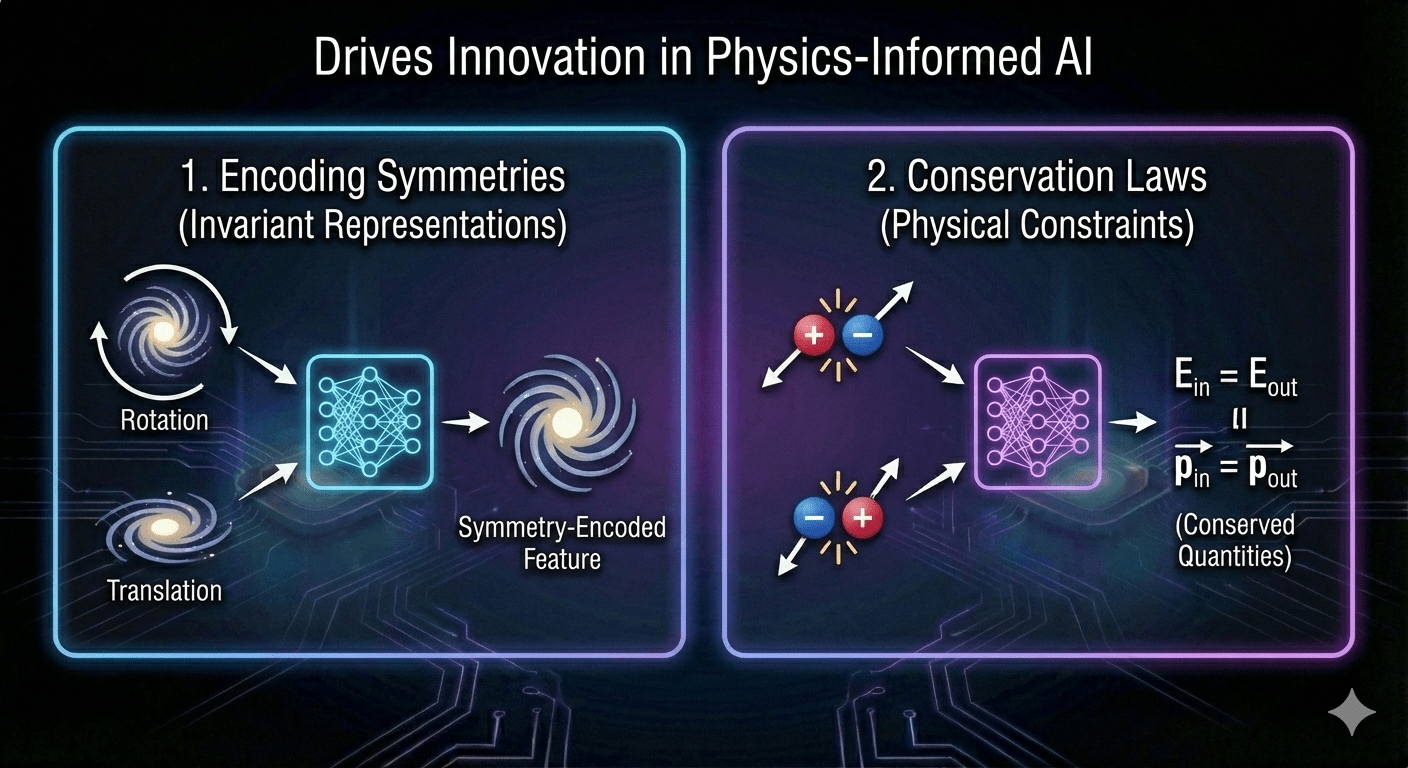
Astronomy for AI - Physics-Informed Learning
Ideal testing ground for incorporating physical laws
Astronomy for AI - Scientific Literature
Exceptionally accessible through arXiv and NASA ADS
Well-curated with long time baselines
Accompanied by publicly available data and code
Agent for science systems for intersectional knowledge domains